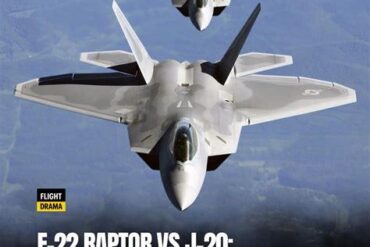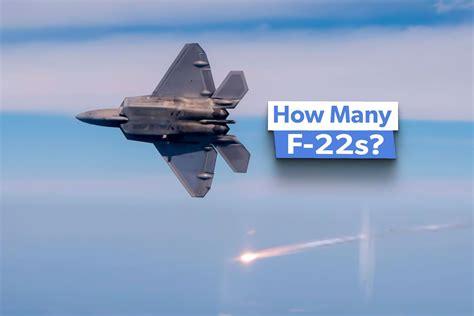
The F-22 Raptor is widely regarded as one of the most formidable fighter aircraft ever built, embodying technological dominance, unmatched aerial performance, and stealth capabilities that define fifth-generation warfare. Developed by Lockheed Martin and first flown in 1997, it officially entered service in December 2005. As the first operational fifth-generation fighter, the F-22 was designed to secure air superiority for the United States for decades. Yet, despite its excellence, the actual number of operational F-22 Raptors in the U.S. Air Force inventory is surprisingly small.
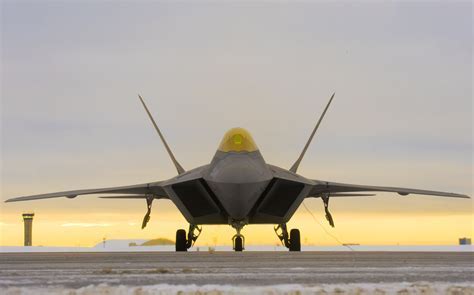
The Current F-22 Raptor Inventory: Just 187 Operational Units
The United States Air Force originally intended to procure 750 F-22 Raptors to maintain air dominance through the 21st century. However, as development costs soared and defense priorities shifted, the final production number was drastically reduced. By the time the program concluded in 2011, only 195 aircraft had been produced.
Out of these, eight units were dedicated to testing and evaluation, leaving just 187 F-22 Raptors for combat and operational roles. This figure has remained static, as the production line was permanently closed and the associated infrastructure dismantled. No new F-22s are being built, and there are no realistic prospects of reviving the program due to astronomical costs and evolving defense strategies.
Why Was the F-22 Program Cut Short?
The decision to truncate the F-22 program was influenced heavily by cost overruns, changing defense priorities, and political opposition. By the end of its production run, each F-22 carried a unit cost of $369.5 million, factoring in research and development expenditures. This made it the most expensive fighter jet ever built at the time.
In contrast, the newer F-35A Lightning II, also a fifth-generation stealth fighter, came in at a unit cost of $110.3 million, allowing the Air Force to procure more aircraft with broader mission flexibility. At the cost of one F-22, the Air Force could purchase more than three F-35As, a fact that weighed heavily on budget-conscious lawmakers.
Political Resistance and Final Production Decisions
In 2009, the U.S. Senate and the Obama Administration delivered the fatal blow to further F-22 acquisitions. The Senate stripped funding for additional Raptors from the Fiscal Year 2010 defense budget, rejecting the House of Representatives’ request to continue the program.
President Barack Obama made it clear he would veto any defense bill that included more F-22 funding. The Air Force had originally sought $4 billion for an additional 20 aircraft, but the effort failed. Instead, Congress reallocated $1.7 billion to finish the last seven F-22s, bringing production to a halt at 195.
Despite ending the procurement, Congress preserved the existing fleet. The U.S. Air Force has continued to modernize and upgrade its 187 operational Raptors, focusing on enhanced sensor suites, avionics, radar systems, and networking capabilities. These updates aim to keep the fleet effective until at least the 2040s.
Why the F-22 Was Never Exported
One of the most fascinating facts about the F-22 is that it was never exported—not even to America’s closest allies. This is not due to lack of interest. Nations like Japan, Israel, and Australia expressed deep interest in purchasing the Raptor. However, U.S. federal law prohibits the sale of the F-22 to foreign nations, citing its highly classified stealth and combat technologies.
This decision, rooted in national security concerns, underscores just how advanced and sensitive the F-22’s systems are. Technologies such as its low observable coating, supercruise capabilities, and electronic warfare systems remain cutting-edge even by today’s standards.
Operational Status and Future Outlook
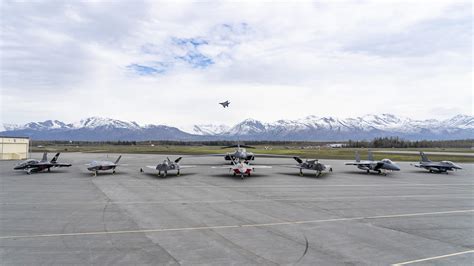
Though no longer in production, the F-22 remains a central piece of the USAF’s air dominance strategy. Raptors are deployed across multiple strategic bases, including Joint Base Elmendorf-Richardson in Alaska, Joint Base Langley-Eustis in Virginia, and Nellis Air Force Base in Nevada. The aircraft is primarily used in air superiority roles, though it is also capable of ground attack, electronic warfare, and signal intelligence operations.
The Air Force has committed to extending the life of the existing fleet. Current modernization initiatives include:
- Increment 3.2B upgrades: Improved air-to-air and air-to-ground capabilities, enhanced radar, and updated threat databases.
- Open Mission Systems architecture: Allows for faster, more modular software and hardware upgrades.
- Next-generation electronic warfare systems: Keeps pace with adversarial advancements.
Despite its aging production line, the F-22 remains at the forefront of tactical airpower. It’s expected to stay in service until 2040 or beyond, when it may be replaced by the Next Generation Air Dominance (NGAD) program.
Challenges in Reviving F-22 Production
There have been numerous studies assessing the feasibility of resuming F-22 production, especially given growing competition from peer adversaries like China and Russia. A 2017 report by the U.S. Air Force and RAND Corporation estimated that restarting the F-22 line and producing an additional 194 Raptors would cost over $50 billion. This figure includes rebuilding supply chains, modernizing production tooling, and training a new workforce.
Given this staggering cost, the Pentagon concluded that it would be more economical and strategically effective to invest in the F-35 program and the development of NGAD.
The F-22’s Legacy in Modern Aerial Warfare
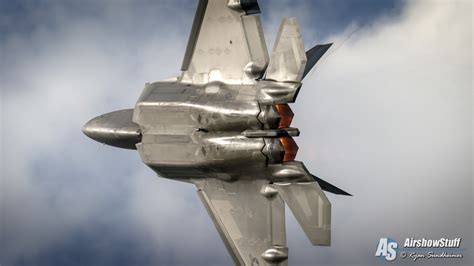
Despite its relatively small fleet size, the F-22 has had a monumental impact on modern aerial combat doctrine. Its unmatched supercruise ability, which allows it to fly at Mach 1.5 without afterburners, and its stealth profile set new standards for what a fifth-generation fighter must achieve.
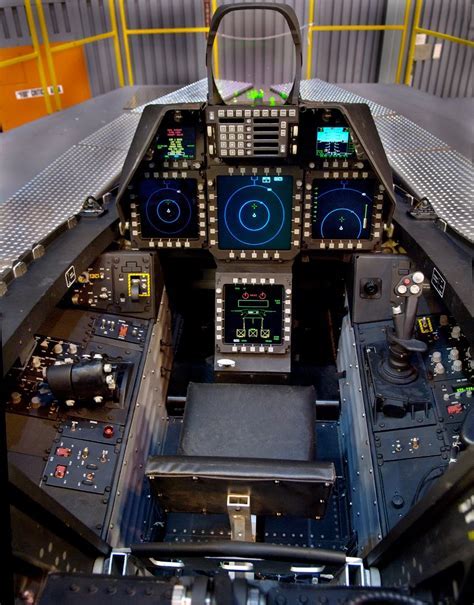
The F-22’s sensor fusion, agility, and situational awareness made it a cornerstone in shaping tactics and strategies for multi-domain operations. Even more than a decade after production ceased, no other operational aircraft in the world can fully match the F-22’s capabilities across the board.
F-22 vs F-35: Not a Replacement, But a Complement
It’s often mistakenly assumed that the F-35A replaced the F-22. In truth, they serve complementary roles. The F-22 was designed purely for air superiority, while the F-35 functions as a multi-role combat aircraft with expanded strike and intelligence functions.
The F-22 dominates the skies, controlling the battlespace and eliminating threats, while the F-35 supports it with sensor-sharing, targeting precision, and survivability in contested environments. Together, they form the backbone of American fifth-generation airpower, each with distinct advantages and mission sets.
Conclusion: Quality Over Quantity
The answer to how many F-22 Raptors the U.S. Air Force has—187 operational units—might seem underwhelming given the aircraft’s performance capabilities. But the story behind that number is a revealing case study in the intersection of technology, policy, budget, and strategy.
The F-22 remains a symbol of unparalleled technological prowess, even in limited numbers. Its legacy continues to influence both current aircraft platforms and the strategic thinking behind future programs like NGAD. While there may only be 187 operational Raptors flying today, each one represents an apex of aeronautical innovation and combat readiness, ensuring that air dominance remains firmly in the hands of the United States well into the 21st century.