The question of how many miles per gallon a B-2 Spirit stealth bomber achieves sounds deceptively simple, yet it opens a window into one of the most complex trade-offs in modern military aviation. Fuel efficiency, in the civilian sense, is almost irrelevant to a strategic bomber designed to evade radar, carry nuclear and conventional weapons across continents, and remain airborne for more than a day. Still, translating the B-2’s immense capabilities into a familiar metric like miles per gallon provides a striking perspective on what global strike power truly costs in energy terms.
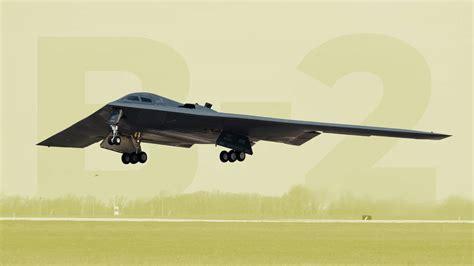
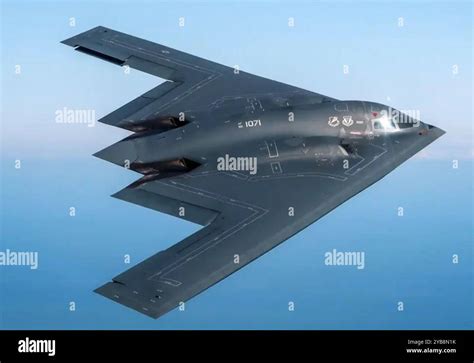
The B-2 Spirit is not merely an aircraft; it is a flying system of systems. Every curve of its flying-wing shape, every buried engine intake, and every pound of composite material exists to minimize detectability rather than to conserve fuel. When analysts calculate its miles per gallon, they are effectively measuring the energy price of invisibility, endurance, and reach. That price is high by any civilian standard, but within the context of strategic deterrence, it is considered acceptable.
Understanding the B-2’s fuel consumption also helps explain why aerial refueling, global tanker fleets, and massive logistics chains are inseparable from long-range airpower. The bomber’s mileage figure is not just a curiosity; it is a clue to how modern warfare projects power across the planet.
The Straight Answer: Miles Per Gallon of a B-2 Spirit
Using publicly available figures from the United States Air Force, the B-2 Spirit carries approximately 167,000 pounds of fuel. Jet fuel weighs about 6.7 pounds per gallon, which translates that fuel load into roughly 24,900 gallons. The bomber’s unrefueled range is about 6,900 statute miles under optimal cruise conditions.
When those numbers are combined, the result is stark. A B-2 Spirit achieves approximately 0.28 miles per gallon, or just over one quarter of a mile per gallon. Put another way, the aircraft consumes about 4.2 gallons of fuel for every mile flown. In nautical terms, often used in aviation, the figure is roughly 0.24 nautical miles per gallon.
This number assumes a clean cruise profile without heavy combat maneuvering and without accounting for the fuel burned by tanker aircraft during midair refueling. In real operational scenarios, especially during long-duration missions involving multiple refuelings, the effective fuel cost of a B-2 sortie is significantly higher when the entire support ecosystem is considered.
Why the B-2’s Fuel Efficiency Is So Low
The B-2’s low miles-per-gallon figure is not a design failure; it is a design consequence. The aircraft’s maximum takeoff weight exceeds 336,000 pounds, and it relies on four high-thrust turbofan engines to lift and sustain that mass over intercontinental distances. Unlike commercial airliners, which are optimized for steady cruise at high altitude with minimal drag, the B-2 sacrifices aerodynamic efficiency for stealth.
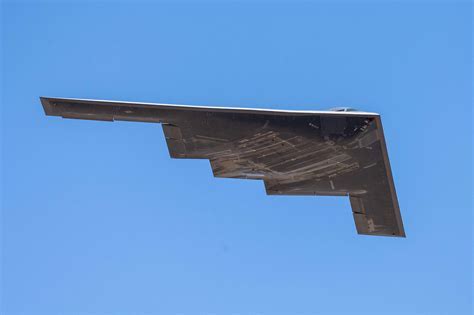
Its blended wing body reduces radar reflections but increases surface area and structural complexity. The engines are buried deep within the airframe to mask infrared and radar signatures, which limits airflow efficiency compared to exposed nacelles. Every one of these choices increases fuel burn, yet they collectively allow the bomber to penetrate advanced air defenses that would destroy less stealthy aircraft.
The payload also matters. With the ability to carry up to 40,000 pounds of ordnance, including massive bunker-busting bombs or nuclear weapons, the B-2 often flies at weights far above what would be considered economical in civilian aviation. Fuel consumption rises sharply when fully loaded, further reducing miles per gallon during combat missions.
Comparing the B-2 to Commercial and Military Aircraft
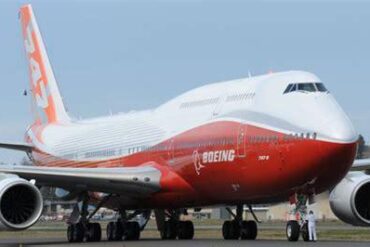
Viewed in isolation, 0.28 miles per gallon sounds almost absurdly inefficient. For context, a modern Boeing 737 MAX, carrying around 180 passengers, can exceed 0.6 miles per gallon when averaged across all seats. That means a narrow-body airliner moving hundreds of people achieves more than double the mileage of a two-person stealth bomber.
Within the military world, however, the B-2 is not uniquely inefficient. The B-1B Lancer, designed for high-speed, low-altitude penetration, burns fuel at an even faster rate, dipping below 0.20 miles per gallon. The venerable B-52H Stratofortress, despite its eight engines and 1950s origins, manages slightly better efficiency than the B-1B, hovering around 0.22 miles per gallon under certain conditions.
What sets the B-2 apart is not raw efficiency but mission effectiveness per gallon. A single B-2 sortie can replace dozens of non-stealth aircraft by striking heavily defended targets without escort. In that sense, its fuel burn is amortized across strategic outcomes rather than measured purely in miles traveled.
The Hidden Fuel Cost of Aerial Refueling
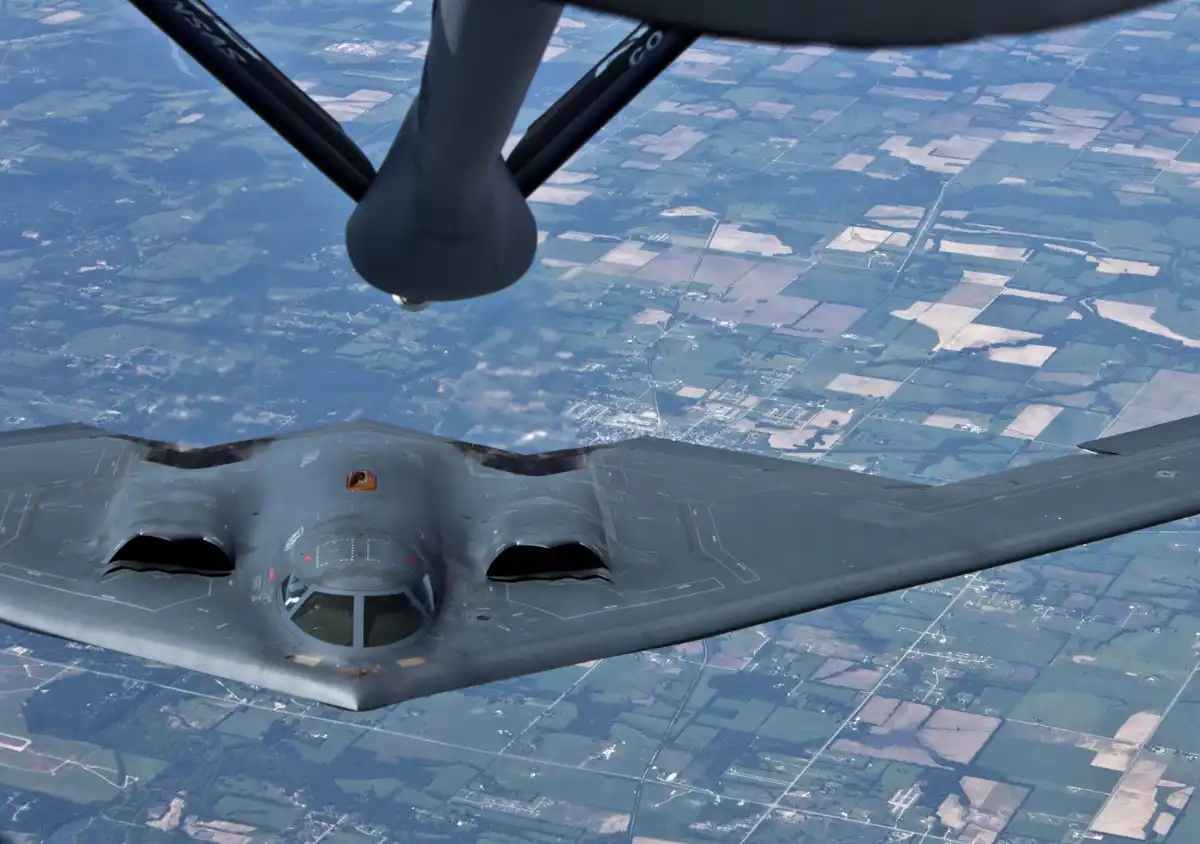
Any discussion of B-2 fuel consumption is incomplete without addressing aerial refueling. The bomber’s celebrated ability to remain airborne for 30 to 40 hours depends entirely on tanker aircraft that rendezvous mid-mission to top off its tanks. These tankers, often KC-135s or KC-46s, burn their own fuel at a rate estimated around 2.9 gallons per mile.
That means thousands of additional gallons are consumed not by the bomber itself, but by the flying gas stations that keep it aloft. When analysts include tanker fuel, the effective miles per gallon of a B-2 mission drops dramatically. This does not diminish the bomber’s value, but it highlights how modern airpower relies on interconnected fleets rather than standalone aircraft.
Training flights further compound this reality. B-2 crews must practice long-duration missions and refueling procedures, meaning fuel is burned even when no weapons are carried and no targets are struck. The result is a steady, predictable drain of resources in peacetime to ensure readiness in conflict.
Operating Costs Beyond Fuel Burn
Fuel is only one component of the B-2’s staggering operating cost, but it is a major one. The bomber’s hourly operating cost is estimated to exceed $130,000 per flight hour, with fuel representing a substantial share. Over a single long-range mission lasting more than a day, the fuel bill alone can reach into the millions of dollars.
Maintenance amplifies this expense. The B-2 requires over 100 hours of maintenance for every hour flown, much of it devoted to preserving its delicate stealth coatings. These materials are sensitive to heat, moisture, and physical wear, necessitating climate-controlled hangars wherever the aircraft is based or deployed. Fuel efficiency becomes almost a footnote when weighed against the labor and infrastructure required to keep the bomber mission-ready.
Every gallon burned also represents logistical effort, from refining and transporting jet fuel to securing overseas bases and tanker routes. In strategic planning, fuel consumption is inseparable from geopolitics.
Engines Designed for Stealth, Not Savings
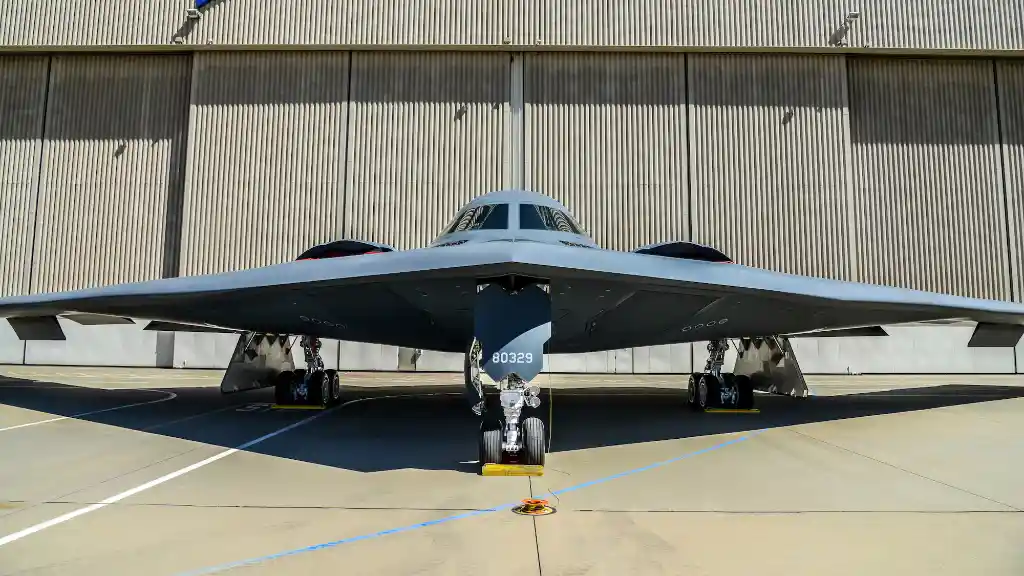
Powering the B-2 are four General Electric F118-GE-100 turbofan engines, each producing about 17,300 pounds of thrust. These engines are unusual in that they lack afterburners, a deliberate choice to reduce infrared signature and improve stealth. While afterburners dramatically increase thrust, they also multiply fuel consumption, making them incompatible with the B-2’s mission profile.
The engines are optimized for a cruise speed of around 560 miles per hour, where fuel burn is relatively stable for such a large aircraft. Even so, pushing nearly 70,000 pounds of total thrust through deeply buried intakes is inherently inefficient compared to exposed, high-bypass commercial engines. The result is consistent, heavy fuel use that aligns with the bomber’s strategic purpose rather than civilian expectations.
Stealth as the Real Metric of Efficiency
When asking how many miles per gallon a B-2 gets, the more revealing question may be what that fuel buys. Each gallon contributes to an aircraft with one of the smallest radar cross sections ever achieved, often compared to that of a small bird. This near-invisibility allows the B-2 to fly routes and strike targets that would be suicidal for conventional bombers.
From this perspective, efficiency is measured not in distance but in penetration capability per gallon. A non-stealth bomber might require escorts, electronic warfare support, and multiple sorties to achieve what a single B-2 can do alone. The fuel burned by those additional aircraft can quickly exceed the B-2’s own consumption.
Fleet Size and Strategic Scarcity
Only 19 operational B-2 Spirits remain in service, making each aircraft a scarce national asset. With so few airframes available, every mission is carefully planned, and fuel consumption is accepted as the cost of maintaining a credible long-range strike option. The bomber’s mileage figure underscores why it is reserved for high-value targets rather than routine patrols.
As the B-21 Raider approaches service entry, expectations are that newer materials, digital design, and more efficient systems will modestly improve fuel performance. Even so, stealth bombers are unlikely to ever rival commercial aircraft in miles per gallon. Their purpose lies elsewhere, in deterrence and decisive reach.
What the Miles Per Gallon Figure Really Means
A B-2 Spirit’s 0.28 miles per gallon is less a condemnation of inefficiency and more a reflection of priorities. It represents the energy cost of flying undetected across oceans, carrying weapons capable of altering geopolitical outcomes, and returning without landing. In civilian terms, the number is shocking. In strategic terms, it is simply the price of dominance.
Fuel efficiency, when viewed through the lens of the B-2, becomes a reminder that some machines are built not to save resources, but to achieve outcomes that no other platform can deliver. The miles per gallon are low, but the strategic value per gallon remains unmatched.