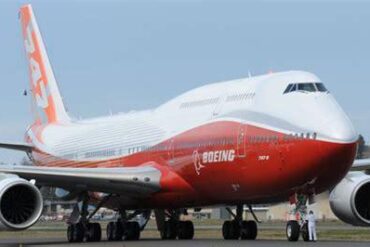
Flying remains one of the most logistically miraculous yet environmentally complex achievements of human engineering. Among the titans of commercial aviation, the Boeing 747—affectionately known as the “Queen of the Skies”—stands as a monumental feat of aeronautical design. However, beneath its iconic hump and intercontinental range lies a staggering appetite for fuel. So, how many miles per gallon does a Boeing 747 really get, and what does that mean in terms of environmental footprint and long-term sustainability?
The Basic Fuel Efficiency: 0.18 to 0.19 MPG
At cruising altitude and typical speed, a Boeing 747 consumes approximately 3,800 gallons of jet fuel per hour. This translates to about 0.9 gallons per second and allows the aircraft to achieve an average cruising speed of 580 mph (933 km/h). In practical terms, that means a 747 covers a mile every 6.2 seconds and uses about 5.9 gallons of fuel per mile—yielding a fuel efficiency of 0.18 to 0.19 miles per gallon (mpg).
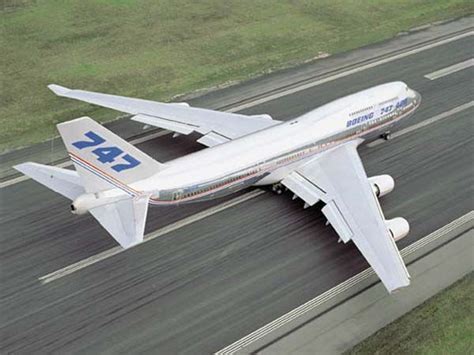
While this number might seem shockingly low, it’s essential to consider passenger load. The Qantas 747-400, for example, carries 364 passengers, and if you distribute the mpg across those seats, the plane achieves around 65.5 mpg per passenger. This compares quite favorably to an average car carrying a single driver, which typically hits 25-50 mpg—or even 100 mpg when considering a car with two occupants.
The Massive Fuel Storage System
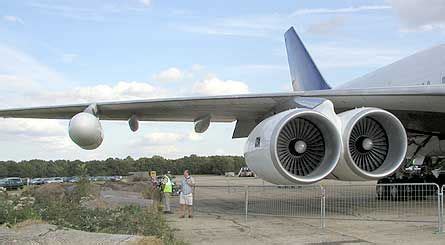
To handle such intensive fuel requirements, the Boeing 747 has been engineered to carry massive quantities of fuel. The original models could hold 48,400 gallons (183,000 liters), while the 747-8i variant can carry up to 63,034 gallons (238,610 liters). This fuel is primarily stored in the wings—each wing housing two main tanks, with additional central and reserve tanks included for extended range.
In some 747 models, fuel capacity is even expanded using sealed compartments within the horizontal stabilizers, turning these into auxiliary tanks. This intricate tank network allows the 747 to sustain fuel consumption levels of 154,000 lbs (70,000 kg) on long-haul flights such as those between London and New York.
Fuel Burn at Takeoff: The Worst MPG Moment
Unlike ground-based vehicles, aircraft undergo an extraordinarily energy-intensive takeoff phase. At maximum takeoff weight, a 747 can consume around 5,000 gallons (19,000 liters) of fuel just to get off the ground and reach cruising altitude. This is when the aircraft is heaviest and least aerodynamic—resulting in a temporary mpg that drops well below the already low cruise efficiency.
This explains why air travel’s environmental cost is not just a matter of average mpg, but also dependent on flight stages and weight conditions. The longer the cruise segment, the more diluted the takeoff inefficiency becomes.
How Does the 747 Compare to Modern Jets?
The Boeing 747 is a half-century-old airframe design. Originally introduced in 1970 with Pan Am, it reflects engineering standards and materials from a bygone era. In contrast, newer widebody aircraft are far more efficient.
The Airbus A350-1000, for example, burns about 2,700 gallons per hour at cruise. It flies at approximately 561 mph, yielding a base mpg of 0.208. With 238 seats, it nets around 50 mpg per passenger.

The Boeing 787 Dreamliner, introduced in 2011, offers further improvement. It consumes around 2,900 gallons per hour, traveling a mile every 6.4 seconds at 561 mph. This results in 5.17 gallons burned per mile and an mpg of 0.193. With 236 seats, it offers a per-passenger efficiency of 44.8 mpg.
These improvements are made possible through the use of carbon-fiber-reinforced polymers, improved aerodynamics, and more efficient twin-engine configurations. While the 747 uses four engines, modern airliners achieve comparable thrust with two engines, significantly lowering fuel consumption.
Why Aviation Fuel Is Worse Than It Seems
Evaluating the mpg of a jetliner like the Boeing 747 can provide a limited picture of its environmental impact. While a passenger-per-mile efficiency of 65.5 mpg may seem reasonable, it ignores the altitude-based effects of burning jet fuel.
Jet fuel emits 21.1 lbs of CO2 per gallon, only marginally more than gasoline at 19.6 lbs. But aircraft also release nitrous oxide, sulfur dioxide, and black carbon at high altitudes, which amplify the greenhouse effect.
Climate scientists use a metric called radiative forcing, which considers these high-altitude effects. A 2010 study by the University of Oslo concluded that, on a per-passenger-hour basis, the climate impact of flying is 6 to 47 times higher than driving.
The FAA and Safety Concerns in Fuel Storage
In 2022, the FAA launched an investigation into improperly applied cap seals in 747-400F freighters. These seals, located around fuel tank fasteners, are essential for preventing electrical arcing during lightning strikes. Missing or poorly installed seals could lead to explosions within fuel tanks—a risk made more poignant by past incidents in the 1990s, which prompted the FAA’s comprehensive 2001 Fuel Tank System Design Review.
The concern underscores the complexity and risk inherent in managing massive fuel systems, especially in aircraft operating at near-maximum payload and in highly variable weather conditions.
Can Sustainable Aviation Fuel (SAF) Change the Game?
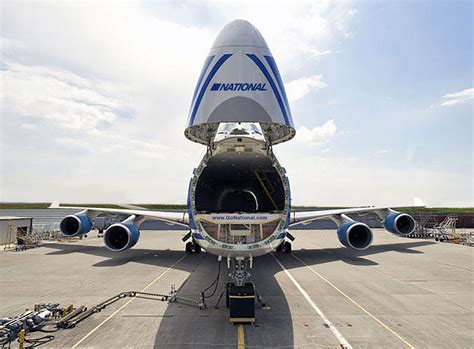
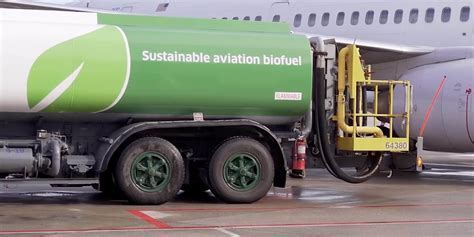
Given the sheer scale of fuel consumption in aircraft like the Boeing 747, sustainable aviation fuel (SAF) presents a tantalizing solution. SAF is engineered from non-fossil sources such as algae, used cooking oil, or municipal waste, and can be blended with conventional jet fuel without requiring engine redesigns.
According to ScienceDirect, SAF could reduce lifecycle CO2 emissions by up to 94%, while Airbus places this figure at around 80%. Virgin Atlantic operated a 100% SAF flight using a Boeing 787-9 Dreamliner in 2023, powered by Rolls-Royce Trent 1000 engines. Rolls-Royce now certifies that all its commercial engines are compatible with SAF.
Yet, there are hurdles. SAF costs around $6 per gallon, compared to $2.29 for conventional jet fuel. In 2021, only 33 million gallons of SAF were produced in the U.S., while annual consumption targets exceed 3 billion gallons. This discrepancy highlights an urgent need for massive scaling in SAF production to make it a viable, industry-wide standard.
Conclusion: A Marvel with a Cost
The Boeing 747 remains a symbol of human innovation and intercontinental connectivity. Yet, its fuel efficiency—hovering below 0.2 mpg—makes it one of the least sustainable aircraft in the sky today. While per-passenger figures offer some redemption, the overall climate impact—especially at altitude—is undeniable.
As aviation pivots toward newer aircraft and sustainable fuel technologies, the legacy of the 747 will likely transition from workhorse to icon. Its footprint, both on aviation and the environment, will continue to fuel discussions on the future of flight for decades to come.