A commercial flight may appear seamless from the cabin, but behind the scenes, pilots are constantly making calculated decisions that balance physics, safety, and operational constraints. One of the least obvious yet critically important of these decisions is the deliberate burning of fuel before landing. While it might sound wasteful at first glance—especially in an era obsessed with efficiency—this practice is rooted in engineering limits and safety priorities that govern every aircraft in the sky.
Understanding why this happens requires looking beyond the passenger experience and into the structural realities of flight. Aircraft are not simply designed to fly; they are designed to fly within strict boundaries. Among these, weight stands out as one of the most unforgiving variables.
The Physics of Flight: Why Weight Dictates Everything
Every aircraft, from a small training plane to a massive intercontinental jet, operates under carefully defined weight limits. These limits are not arbitrary—they are engineered thresholds that ensure the aircraft can perform safely in all phases of flight. Weight influences nearly every aspect of an aircraft’s behavior, including takeoff distance, climb performance, fuel efficiency, and landing characteristics.
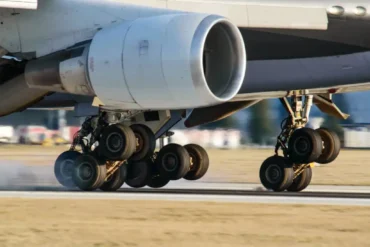
When an aircraft is too heavy, its performance deteriorates in subtle but significant ways. It requires more runway to accelerate, climbs more slowly, and becomes less responsive in the air. But the most critical phase affected by weight is landing. A heavier aircraft must approach at a higher speed, which translates into greater stress on landing gear, brakes, and the airframe itself upon touchdown.
This is where the concept of maximum landing weight (MLW) becomes essential. Aircraft are designed with a maximum takeoff weight (MTOW) that is often significantly higher than their MLW. The difference between these two numbers is not a design flaw—it’s intentional. Engineers expect that a large portion of fuel will be consumed during flight, reducing the aircraft’s weight naturally before landing.
Maximum Landing Weight: The Critical Threshold
The gap between MTOW and MLW can be enormous, especially for long-haul aircraft. On large widebody jets, this difference can exceed 100 tons. That’s not a rounding error—it’s a deliberate safety margin.
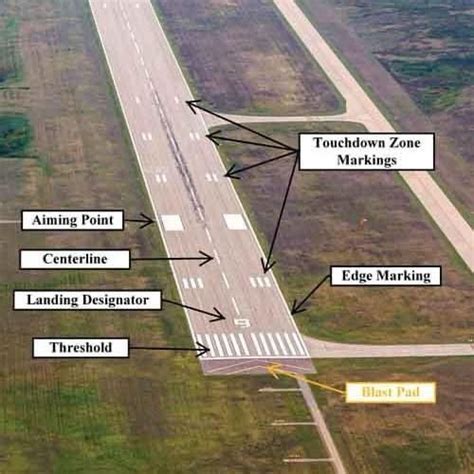
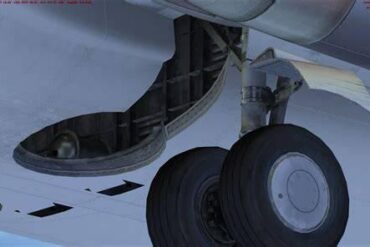
The reason for this gap lies in structural limitations. Landing gear, wing structures, and fuselage components are designed to تحمل specific loads. Exceeding these loads during landing can result in excessive wear, hidden structural damage, or in extreme cases, immediate failure.
Unlike takeoff, where forces are gradually applied as the aircraft accelerates, landing involves a sudden transfer of energy when the aircraft meets the runway. The heavier the aircraft, the greater the impact force. This is why pilots must ensure that the aircraft’s weight is within allowable limits before initiating landing procedures.
Fuel as the Only Adjustable Variable in Flight
Once an aircraft is airborne, most of its weight components are fixed. Passengers, cargo, and the aircraft structure itself cannot change mid-flight. The only variable that decreases over time is fuel.
Fuel consumption is therefore not just about reaching a destination—it is also a built-in mechanism for weight management. On long flights, this works perfectly. By the time the aircraft approaches its destination, enough fuel has been burned to bring the weight below MLW.
However, not all flights follow this ideal scenario. Short-haul flights, unexpected diversions, or emergency returns can leave an aircraft significantly heavier than its permitted landing weight. In these situations, pilots must actively reduce weight before landing.
Holding Patterns: The Most Common Fuel Burn Strategy
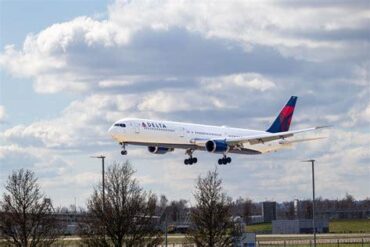
The most straightforward way to reduce weight is simply to keep flying. Pilots may enter a holding pattern—a controlled loop in the sky near the destination airport—while fuel continues to burn.
This method is preferred because it is controlled, predictable, and does not introduce additional stress on the aircraft. Air traffic control coordinates these patterns to ensure safe separation between aircraft, especially in busy airspace.
However, holding is not always convenient. It requires time, available airspace, and stable conditions. In high-traffic environments or urgent situations, circling for extended periods may not be feasible.
Accelerated Fuel Burn: Increasing Drag on Purpose
When time is limited, pilots can increase fuel consumption by making the aircraft less aerodynamically efficient. This might sound counterintuitive, but it’s an effective technique.
By deploying flaps, extending landing gear earlier than usual, or using speed brakes, pilots increase drag. This forces the engines to work harder to maintain speed and altitude, thereby burning more fuel in a shorter period.
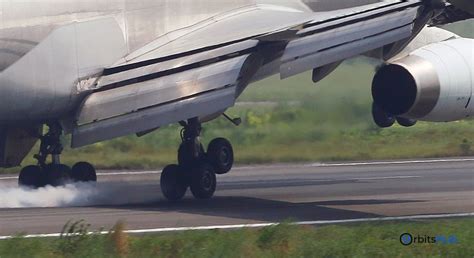
While effective, this approach comes with trade-offs. It can make the flight noisier and less comfortable for passengers, and it requires careful handling to avoid unnecessary stress on the aircraft. Still, when time matters, it provides a practical solution.
Fuel Dumping: A Rare but Powerful Option
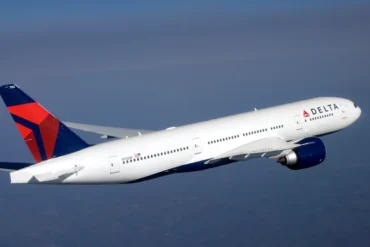
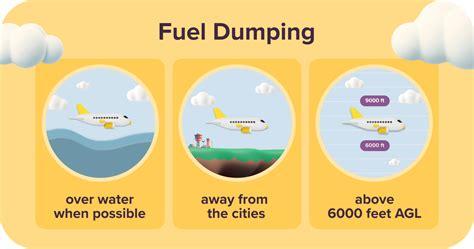
For certain large aircraft, there is another option: fuel dumping. This capability is typically reserved for widebody jets designed for long-haul travel, where the difference between takeoff and landing weight is especially large.
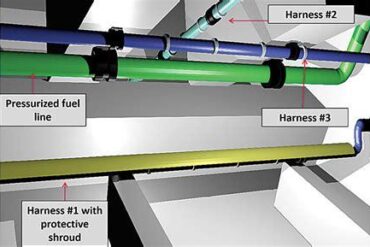
Fuel dumping systems allow pilots to release fuel through nozzles located near the wings. The fuel disperses into fine droplets and usually evaporates before reaching the ground, provided it is done at a sufficient altitude.

Despite its effectiveness, fuel dumping is tightly regulated and used sparingly. It is generally reserved for emergencies where a rapid reduction in weight is necessary. Environmental considerations, air traffic safety, and regulatory constraints all limit when and how it can be used.
Why Not Just Land Overweight?
If burning fuel takes time and dumping fuel is restricted, a natural question arises: why not simply land the aircraft as it is?
The answer is nuanced. While overweight landings are technically possible and sometimes necessary, they are not ideal. Landing above the certified weight limit increases the risk of structural stress and can lead to what is known as a high load event.
This doesn’t mean the aircraft will break apart—modern aircraft are built with safety margins—but it does mean the aircraft will likely require detailed inspections after landing. These inspections can ground the aircraft, disrupt schedules, and incur significant costs.
More importantly, safety margins exist for a reason. Pilots aim to operate within them whenever possible, not test their limits unnecessarily.
When Overweight Landings Become Necessary
There are situations where waiting to burn fuel is simply not an option. Emergencies change priorities instantly. If there is a fire onboard, a critical system failure, or a medical emergency, getting on the ground quickly becomes more important than adhering to weight limits.
In such cases, pilots may proceed with an overweight landing, fully aware of the implications. Aircraft are designed to handle these scenarios, but they require careful execution. Pilots may use longer runways, adjust landing speeds, and apply specific techniques to minimize stress on the aircraft.
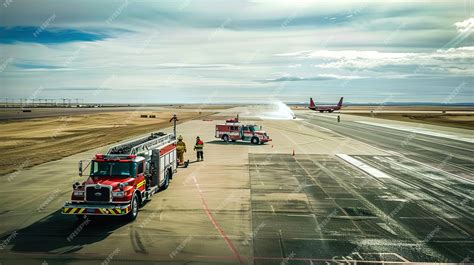
After landing, the aircraft undergoes thorough inspections to ensure no damage has occurred. These checks are meticulous and can take hours or even days, depending on the severity of the landing.
The Engineering Perspective: Built for Flexibility, Not Abuse
Aircraft manufacturers design planes with a balance between efficiency and resilience. While they are capable of handling conditions beyond normal limits, these capabilities are not meant for routine use.
The distinction between MTOW and MLW reflects this philosophy. It allows aircraft to carry enough fuel for long journeys while ensuring they can land safely after that fuel has been consumed. When that balance is disrupted—due to shortened flights or unexpected events—pilots must actively restore it.
This is why fuel burn procedures are not just operational choices; they are extensions of the aircraft’s design logic.
Passenger Experience: Why You Rarely Notice
Interestingly, most passengers are completely unaware when fuel is being burned intentionally. Holding patterns are often smooth and uneventful. Even increased drag configurations may feel like minor changes in engine noise or descent profile.
The aviation industry is exceptionally good at managing complexity behind the scenes while presenting a calm, controlled experience to those onboard. What might seem like a routine delay is often a carefully calculated safety measure.
Efficiency vs Safety: A Necessary Trade-Off
In an industry focused on reducing emissions and improving fuel efficiency, intentionally burning fuel might appear contradictory. But aviation operates under a simple hierarchy: safety comes first.
Burning extra fuel is not ideal, but it is sometimes necessary. The alternative—risking structural damage or compromising landing safety—is far less acceptable. This trade-off reflects the broader philosophy of aviation, where redundancy and caution are built into every decision.
A Subtle but Essential Practice
Deliberate fuel burn before landing is one of those practices that highlights the complexity of modern aviation. It is not about inefficiency or waste; it is about respecting the physical limits of machines designed to operate in one of the most demanding environments imaginable.
From weight management and structural integrity to emergency preparedness, every aspect of this practice is grounded in logic and experience. Pilots are not just flying aircraft—they are constantly optimizing conditions to ensure that every landing is as safe as possible.
And sometimes, that means staying in the sky just a little longer than expected.