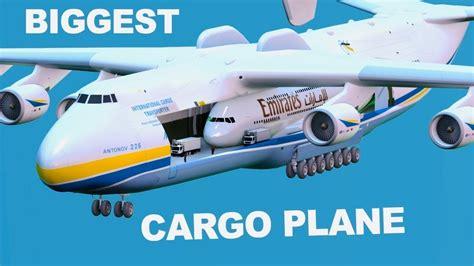
The Antonov An-225 Mriya emerged from a design environment unlike anything the aviation world had seen. Built during the late Cold War and entrusted with missions few aircraft would ever face, it embodied a scale of ambition that required solutions on the very edge of Soviet engineering. Its enormous fuselage, sweeping wingspan, and unmatched payload requirements forced Antonov’s designers to pursue propulsion choices that were radical for the time. The result was a six-engine configuration that has since become one of the aircraft’s most iconic features, not born from indulgence but necessity.
From the earliest stages, the engineering team knew the An-225 would exceed the performance envelope of any transport aircraft in operation. It had to lift the Buran space shuttle, massive rocket components, and later in its career, the heaviest and most unwieldy commercial loads ever carried through the air. These demands created thrust requirements beyond what a four-engine setup could deliver. In the 1980s, when ultra-high-bypass engines did not yet exist in the Soviet Union, the only viable path was to multiply proven engines rather than wait for technologies that were years from reality.
The aircraft’s vast physical presence—84 meters long, 88.4 meters of wingspan, and a staggering 640,000-kilogram maximum takeoff weight—meant no single engine design could meet the power required for safe departure, climb, or sustained cruise with record-breaking cargo onboard. These colossal numbers shaped every element of the propulsion architecture, defining the logic behind the six D-18T engines that hung beneath its wings.
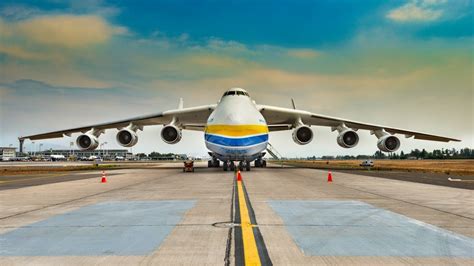
Massive Thrust Demands That Outpaced Four-Engine Possibilities
The primary driver behind the An-225’s engine count was pure thrust. Even with six Ivchenko Progress D-18T turbofans, the aircraft only just achieved the power margins its mission profile demanded. Each engine produced roughly 51,672 pounds of thrust, combining for more than 310,000 pounds—a figure that exceeded anything else in Soviet aviation and surpassed the combined output of modern giants such as the Airbus A380.
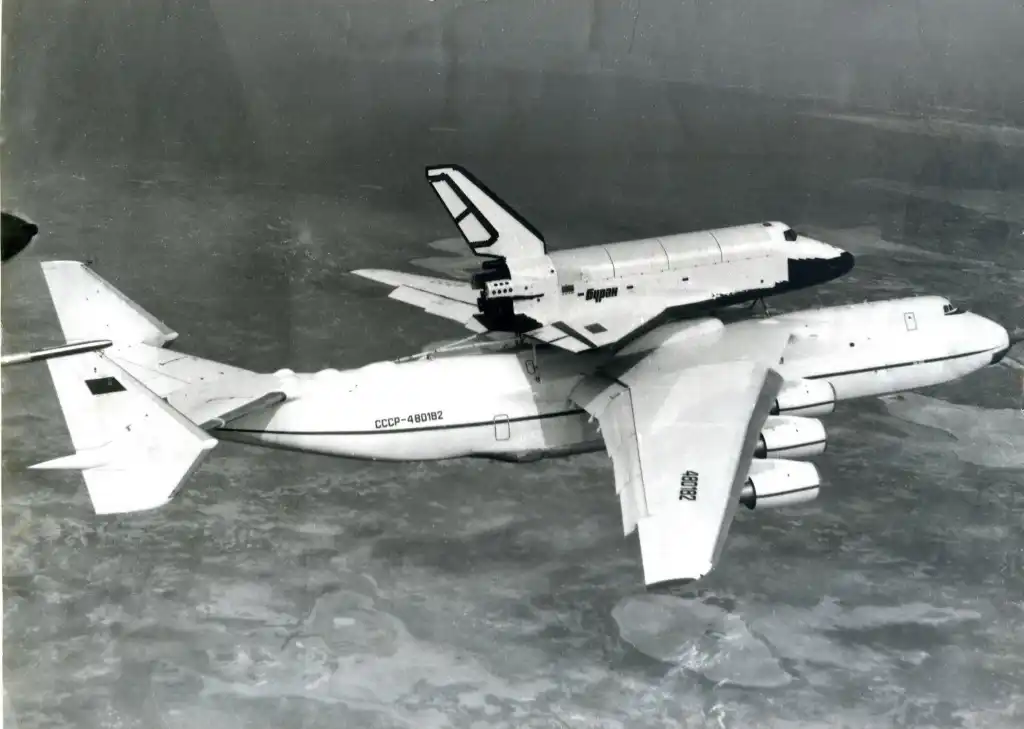
The aircraft needed this immense power not only to lift its own empty mass but to survive takeoff when carrying extreme payloads or external cargo atop its fuselage. The aerodynamic drag produced by loads like the Buran shuttle created chaotic airflow, heavy turbulence, and a drag wall that could only be countered by overwhelming brute-force propulsion. Without six engines, the An-225 would have been unable to meet the takeoff roll distances, climb gradients, or performance requirements necessary for its strategic missions.
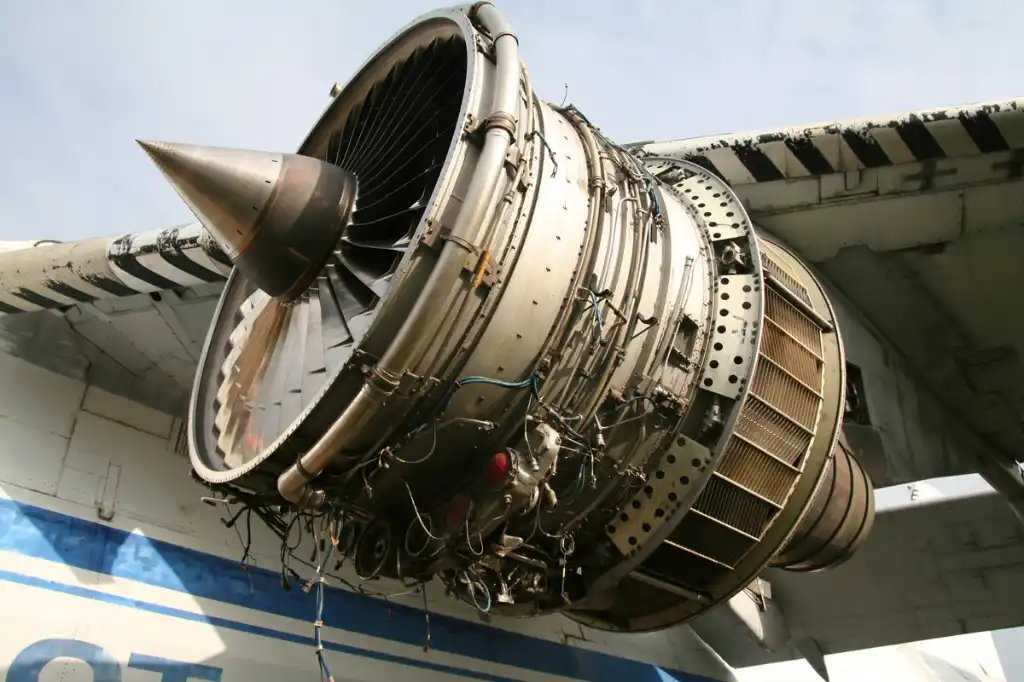
Why Engine Technology Made Six the Only Realistic Choice
Soviet engine technology in the 1980s did not include any ultra-high-thrust turbofans comparable to Western designs that would emerge decades later. The D-18T was the most powerful engine available within realistic timelines, originally developed for the An-124. Developing a new engine from scratch—one with A380-class thrust or beyond—would have required an entirely new technological generation that simply didn’t exist.
Instead of delaying the program or risking an unproven engine family, Antonov opted to scale up using what already worked. This approach offered predictable performance, reduced cost, and ensured reliability for a program with military and geopolitical urgency. It also created a redundancy and maintainability advantage: a well-understood, widely operating engine type carried fewer developmental risks and allowed existing infrastructure to be used for service and repair.
Redundancy as a Strategic Requirement for Irreplaceable Cargo
Beyond thrust, six engines enabled a level of safety that matched the value and sensitivity of the An-225’s missions. Whether transporting a space shuttle, nuclear power plant components, or humanitarian relief equipment, the aircraft’s cargo was often irreplaceable. Losing one engine during flight could not compromise the mission or endanger lives on the ground.
With six units, the aircraft could continue flying even with one engine shut down, maintaining enough power to climb, divert, or land safely. In an era before the widespread acceptance of long-range extended twin-engine operations, extra engines were a practical solution to reliability concerns. For an aircraft tasked with unprecedented jobs, redundancy wasn’t a luxury—it was an operational imperative.

Structural and Aerodynamic Demands That Shaped the Wing
Mounting three engines per wing imposed enormous structural challenges. The wings had to be deeply reinforced to handle the combined weight and torque loads of six large turbofans. The An-225’s wing design began with that of the An-124, but it required broader roots, elongated spars, and enhanced pylons to shoulder the extra stress.
Aerodynamics played an equally defining role. The wing needed to deliver clean airflow to every engine while supporting the massive lift requirements of the fully loaded aircraft. Engine spacing had to be calculated so that compressor stall risk remained low even at high angles of attack. These aerodynamic realities were magnified when the An-225 flew with outsized cargo on its back, which disrupted airflow so significantly that engineers were forced to abandon a single vertical tail and adopt the now-famous twin-fin tail assembly.
This twin-tail configuration preserved directional stability under turbulent, asymmetric airflow conditions—something a central fin could not have achieved when carrying the Buran shuttle externally.
A Legacy Built on Necessity, Not Excess
The six-engine setup has sometimes been misunderstood as wasteful or overly complex, yet every engine on the An-225 served a precise engineering purpose. It was a careful balance of available technology, mission-driven thrust demands, structural feasibility, and the aerodynamic constraints of carrying some of the most challenging payloads ever flown.
From its first flight in December 1988 to its tragic destruction in 2022 at Hostomel Airport, the An-225 remained a singular achievement in aviation. It set world records, transported dreams, and embodied a level of engineering ambition that has not been replicated. While there are discussions about completing the second unfinished airframe—a project that would cost around $500 million—the timeline remains uncertain.
Whether or not it ever flies again, the logic behind its six engines continues to stand as a testament to what happens when engineers confront challenges without precedent. The An-225’s power, presence, and purpose ensure its place as an icon of aviation history.