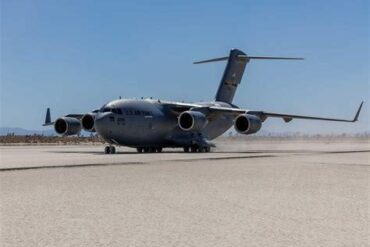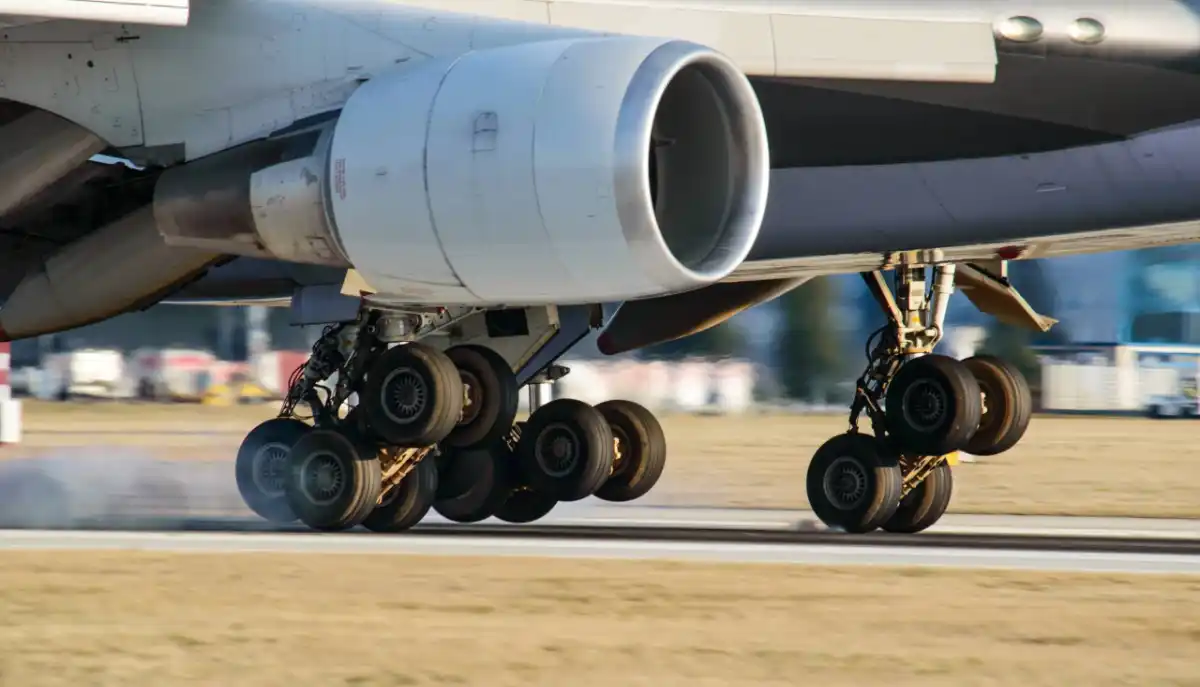
Modern widebody aircraft often look remarkably similar to the casual observer. Sleek composite fuselages, enormous turbofan engines, and elegantly swept wings have become the visual language of long-haul aviation in the 21st century. Yet beneath that polished exterior lies a world of subtle engineering decisions that reveal how different aircraft are optimized for different missions. One of the most curious visual differences appears when you examine the landing gear of two flagship long-haul aircraft: the Boeing 787-10 Dreamliner and the Airbus A350-1000.
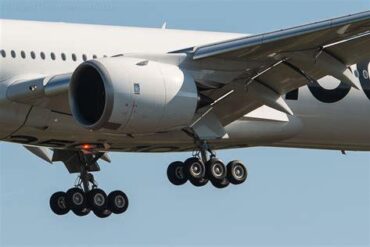
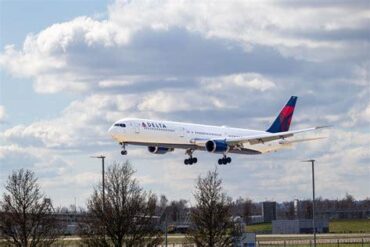
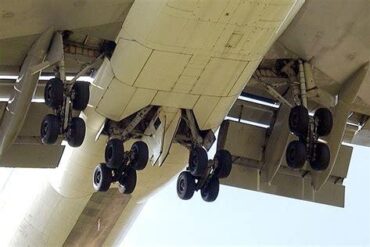
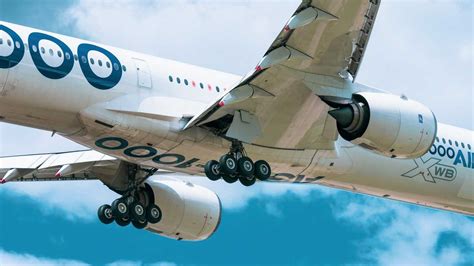
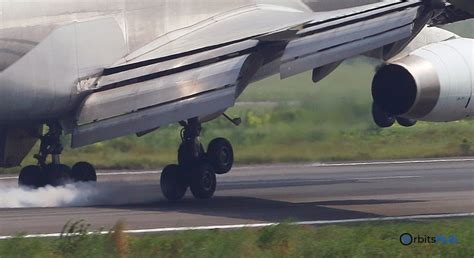
At first glance, both aircraft belong to the same generation of efficient twin-engine widebodies designed for global airline networks. However, the A350-1000 features six wheels on each main landing gear truck, while the 787-10 uses only four wheels per truck, just like its smaller Dreamliner siblings. This difference may appear minor, but it reflects a deep set of engineering calculations involving aircraft weight, runway loading, structural limits, and airport compatibility.
Understanding why these two aircraft require different wheel configurations reveals fascinating insights into how aerospace engineers design machines capable of lifting hundreds of passengers across oceans while landing safely on runways built decades earlier.
By exploring the structure of both aircraft families and the physics behind landing gear design, the reasoning behind this wheel discrepancy becomes clear.
Inside the Modern Long-Haul Aircraft Families
The Boeing 787 Dreamliner and Airbus A350 represent the latest generation of long-range twin-engine airliners. Both programs were designed during the early 2000s with a shared vision: drastically improve fuel efficiency, reduce operating costs, and introduce extensive use of carbon-fiber composite materials in aircraft construction.
Instead of traditional aluminum airframes, both aircraft rely heavily on composite fuselage sections and wings. These materials reduce structural weight while improving resistance to fatigue and corrosion. Less weight translates directly into lower fuel consumption and longer operational life.
The Dreamliner family includes three main variants:
- Boeing 787-8
- Boeing 787-9
- Boeing 787-10
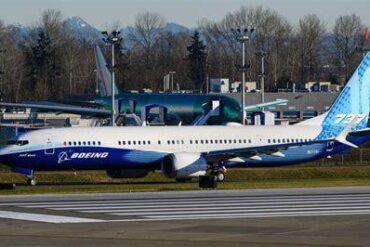
The 787-8 launched the program and entered service in 2011. It was followed by the 787-9, which introduced a longer fuselage and quickly became the most popular variant due to its balance of passenger capacity and range. The 787-10, the largest member of the family, stretches the fuselage even further and offers the highest passenger capacity of any Dreamliner.
Despite these size differences, Boeing deliberately kept the same four-wheel landing gear configuration across all three variants.
Airbus followed a similar strategy when developing the A350 XWB (Extra Wide Body) family, which includes two primary versions:
- Airbus A350-900
- Airbus A350-1000
The A350-900 entered service first and competes closely with the Boeing 787-9 in terms of passenger capacity and long-range capability. The larger A350-1000, however, was designed to compete with aircraft in a heavier class, particularly the Boeing 777-300ER.
This step up in size and weight triggered a major change in landing gear design.
How Aircraft Landing Gear Actually Distributes Weight
Landing gear might look like a simple collection of wheels and struts, but it is one of the most carefully engineered systems on any aircraft. Its job is not merely to support the aircraft while parked. It must safely absorb enormous forces during landing while also distributing the aircraft’s weight across the runway surface.
This is where the concept of pavement loading becomes critical.
Airports around the world are designed with specific structural limits that determine how much pressure their runways and taxiways can handle. Engineers measure this using a metric called Aircraft Classification Number (ACN) compared with the runway’s Pavement Classification Number (PCN). If an aircraft exerts too much pressure through its landing gear, it risks damaging the runway or being restricted from operating at certain airports.
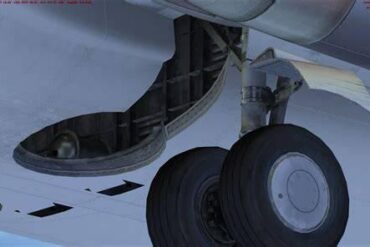
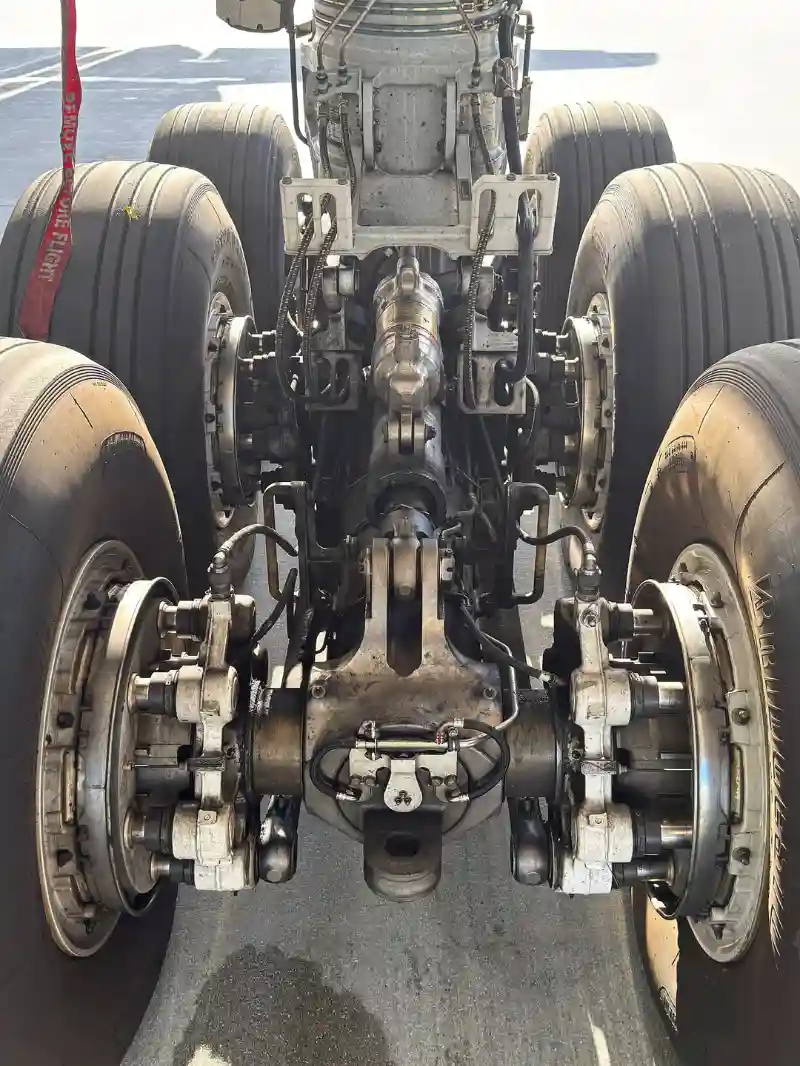
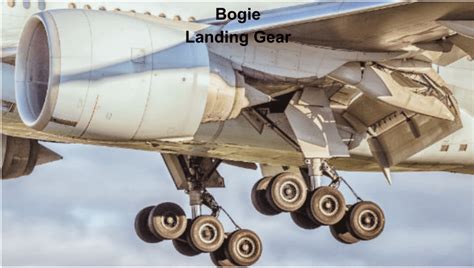
To manage this challenge, aircraft designers use landing gear trucks, also known as bogies. These are the wheel assemblies attached to the main landing gear struts. Each additional wheel increases the total contact area between the aircraft and the ground.
The physics is straightforward: spreading the same weight across more wheels reduces the load carried by each individual tire.
For very large aircraft, this becomes essential. Without sufficient wheels, the pressure applied to the runway would exceed safe limits, preventing the aircraft from operating at many airports.
This is why landing gear systems become increasingly complex as aircraft grow larger. Some aircraft rely on multiple landing gear assemblies, while others simply add more wheels to each bogie.
Why the Airbus A350-1000 Needed Six Wheels
The Airbus A350-1000 occupies a significantly heavier category than the Boeing 787-10. The difference becomes clear when examining their maximum takeoff weights (MTOW).
The A350-1000 has an MTOW exceeding 700,000 pounds (approximately 319 metric tons). By comparison, the Boeing 787-10 tops out around 560,000 pounds (254 metric tons).
That gap of roughly 140,000 pounds is enormous in aviation engineering terms. It represents the equivalent weight of an entire smaller aircraft.
When Airbus began designing the stretched A350-1000, engineers initially evaluated whether the four-wheel landing gear from the A350-900 could handle the additional mass. The analysis showed that it could not do so without placing excessive pressure on airport pavement.
The solution was to redesign the landing gear truck to include six wheels instead of four.
Adding two additional wheels per side dramatically reduces the load carried by each tire and distributes the aircraft’s weight across a larger footprint. This ensures the aircraft remains compatible with major international airports without exceeding runway structural limits.
Beyond pavement loading, the extra wheels also provide improved braking performance and stability during landing, particularly for a heavier aircraft touching down at high speeds after long intercontinental flights.
Why the Boeing 787-10 Could Keep Four Wheels
The design philosophy behind the Boeing 787 family took a different path.
Even though the 787-10 is significantly longer than the earlier Dreamliner variants, Boeing managed to keep its maximum takeoff weight within the limits of the original landing gear system. This decision was possible because of several structural advantages built into the aircraft’s design.
First, the Dreamliner uses an extremely high proportion of lightweight carbon-fiber composites, which reduces structural mass compared with traditional aluminum airframes. Second, the aircraft was optimized for efficiency rather than sheer capacity.
The 787-10 carries more passengers than the 787-9, but it sacrifices some range in exchange. Its shorter range allows the aircraft to avoid the enormous fuel loads required for ultra-long-haul missions.
Less fuel weight translates directly into lower takeoff weight.
Because the aircraft remained within the load limits supported by the original landing gear, Boeing avoided the need to redesign the system with additional wheels.
This decision carried significant advantages. Reusing the same landing gear configuration simplified manufacturing, reduced maintenance complexity, and preserved commonality across the entire Dreamliner family.
For airlines, that means spare parts inventories, maintenance procedures, and pilot training remain consistent across multiple variants.
Performance Differences Between the 787-10 and A350-1000
While the two aircraft are often compared, they actually serve somewhat different roles in airline fleets.
The Airbus A350-1000 is designed as a large, ultra-long-range widebody capable of replacing older heavy aircraft like the Boeing 777-300ER. In high-density configurations it can carry up to around 480 passengers, though most airlines install between 375 and 400 seats in a three-class layout.
Its range approaches 9,000 nautical miles, allowing airlines to operate extremely long routes such as flights between Europe and Australia or nonstop services linking North America with Southeast Asia.
The Boeing 787-10, by contrast, is optimized for slightly shorter long-haul routes with strong passenger demand. It typically carries around 330 passengers and has a range of roughly 6,330 nautical miles.
That makes it ideal for busy intercontinental or regional long-haul routes where passenger numbers are high but ultra-long-range capability is unnecessary.
These differences in mission profile directly influence the aircraft’s structural design and maximum weight, which ultimately determines how many wheels its landing gear requires.
Other Aircraft That Use Large Multi-Wheel Landing Gear
The difference between the 787-10 and A350-1000 fits into a broader pattern across the aviation industry. As aircraft grow heavier, engineers must continually increase the number of landing gear wheels to maintain safe runway pressure levels.
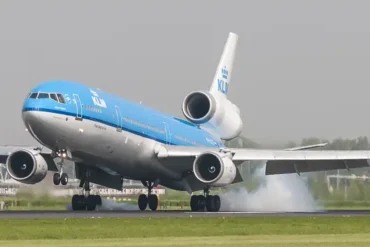
One of the most well-known examples is the Boeing 777. Unlike the Dreamliner, the 777 uses six-wheel main landing gear trucks, similar to the A350-1000. This configuration helps support the aircraft’s high maximum takeoff weight, particularly on larger models like the 777-300ER.
Even larger aircraft require more elaborate landing gear systems.
The Boeing 747, for instance, uses four separate main landing gear assemblies, giving it a total of 16 main wheels plus two on the nose gear. This arrangement spreads the aircraft’s massive weight across a much larger surface area.
The engineering complexity increases even further with the Airbus A380, the largest passenger aircraft ever built. The double-deck superjumbo uses 20 landing gear wheels, including four main landing gear assemblies and two body gear units beneath the fuselage.
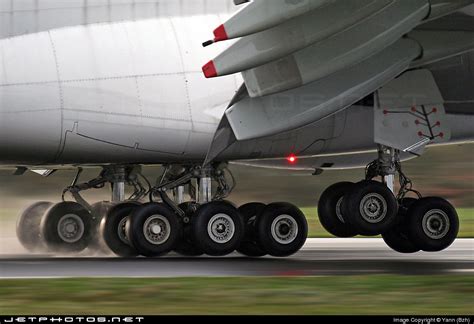
Without this extensive wheel arrangement, the enormous aircraft would exceed pavement loading limits at many major airports.
The Subtle Engineering Story Hidden in Aircraft Wheels
Aircraft design often hides fascinating engineering trade-offs in places most passengers rarely notice. The difference in wheel count between the Boeing 787-10 Dreamliner and the Airbus A350-1000 is a perfect example.
At a glance, it may seem puzzling that two modern widebody aircraft of similar appearance would use different landing gear configurations. Yet once weight, mission profile, and runway loading constraints enter the picture, the reasoning becomes clear.
The A350-1000’s heavier structure and ultra-long-range capability demand a six-wheel landing gear bogie to safely distribute its weight. Meanwhile, the lighter and more efficiency-focused Boeing 787-10 remains within the limits of a four-wheel configuration, allowing Boeing to retain commonality across the Dreamliner family.
These design choices illustrate how aircraft engineering is rarely about simple visual symmetry. Every component—down to the number of wheels touching the runway—reflects a careful balance between performance, efficiency, safety, and global airport compatibility.
In the end, those extra wheels on the A350-1000 are not merely cosmetic differences. They are quiet evidence of the immense weight the aircraft carries and the intricate physics that make modern long-haul flight possible.