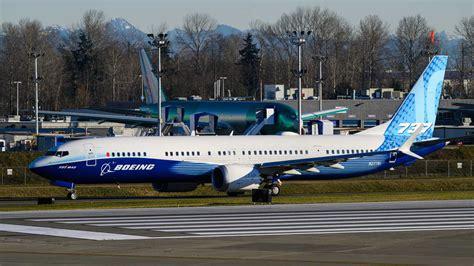
The Boeing 737 MAX is widely considered one of the most important aircraft in modern commercial aviation. Airlines across the world rely on it to reduce operating costs, improve fuel efficiency, and open new routes that were previously uneconomical. For many carriers, the aircraft has become a backbone of short- and medium-haul networks. Yet one of the world’s most prominent airlines—Emirates—has deliberately chosen not to operate it.
At first glance, this decision may seem surprising. Emirates is among the largest buyers of commercial aircraft on the planet and has historically maintained close relationships with both Boeing and Airbus. However, when examining the airline’s network philosophy and fleet strategy, the absence of the 737 MAX becomes far easier to understand.
The explanation is not about technical shortcomings or corporate disagreements. Instead, it reflects a deliberate operational strategy that has shaped Emirates for decades: an airline designed around large widebody aircraft, massive passenger flows, and a single global hub in Dubai.
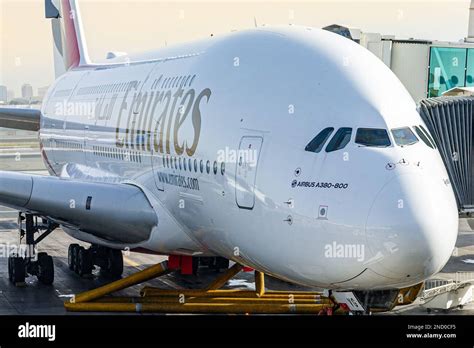
This strategy fundamentally changes how Emirates views aircraft types. While most airlines depend heavily on narrowbody jets like the Boeing 737 MAX to connect regional markets, Emirates built a business model that thrives without them. The result is one of the most distinctive fleet strategies in aviation.
Emirates’ Unique Widebody-Focused Fleet Strategy
To understand why the Boeing 737 MAX does not fit Emirates’ plans, it is essential to first examine the airline’s broader fleet philosophy. Emirates operates one of the simplest fleets among major global carriers. Instead of juggling numerous aircraft types, the airline focuses almost exclusively on large widebody jets.
For years, the airline’s passenger fleet consisted almost entirely of two aircraft families:
- Airbus A380
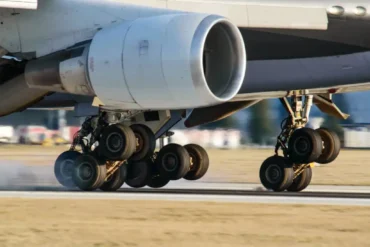
- Boeing 777
These aircraft dominate long-haul aviation and are specifically designed to carry hundreds of passengers over intercontinental distances. By standardizing around these types, Emirates dramatically simplified its operational model.
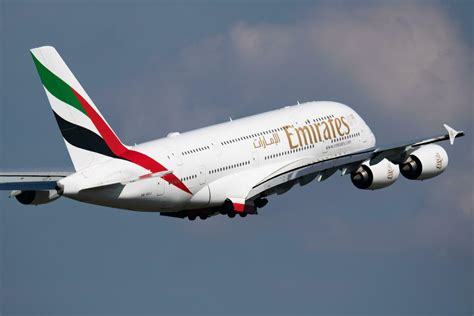
The logic behind this strategy revolves around Dubai International Airport (DXB), which functions as one of the world’s largest airline hubs. Instead of relying on point-to-point traffic between cities, Emirates funnels passengers from across the globe into Dubai, where they connect to flights heading to Europe, Asia, Africa, Australia, and the Americas.
This hub-and-spoke system thrives on scale. Large aircraft maximize the number of connecting passengers moving through the hub at once, which improves aircraft utilization and airport efficiency.
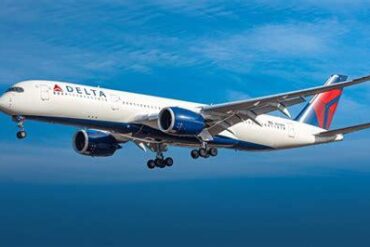
Even as the airline modernizes its fleet, the philosophy remains the same. Emirates is introducing Airbus A350-900 aircraft and expects to receive the new Boeing 777X family in the coming years. Both aircraft reinforce the airline’s preference for long-range, high-capacity jets rather than smaller narrowbody models.
The result is an airline that has deliberately specialized in operating large aircraft instead of diversifying into multiple fleet categories.
The Boeing 737 MAX: A Global Workhorse
To appreciate why the aircraft does not align with Emirates’ strategy, it helps to understand the role the Boeing 737 MAX plays across the aviation industry.
The aircraft is the latest generation of Boeing’s famous 737 narrowbody family, which has served airlines for more than five decades. The MAX series was designed to replace earlier 737 Next Generation (NG) models while delivering significant improvements in fuel efficiency and performance.
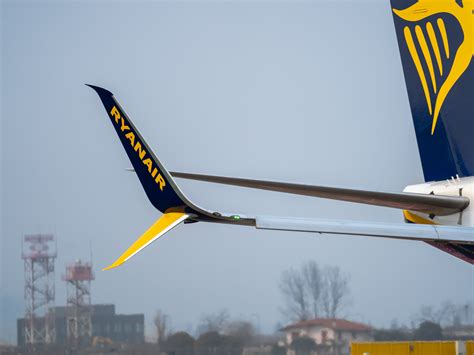
The aircraft family includes several variants, including:
- 737 MAX 7
- 737 MAX 8
- 737 MAX 9
- 737 MAX 10
These aircraft typically carry 130 to 230 passengers, depending on configuration, and are optimized for short- and medium-haul routes. Their primary strengths include:
- Lower fuel consumption
- Reduced carbon emissions
- Lower trip costs
- Extended range compared with older narrowbodies
Boeing claims the aircraft burns at least 14% less fuel than earlier 737NG jets. This efficiency makes the MAX extremely attractive for airlines seeking to control operating costs while maintaining competitive ticket prices.
Across the global aviation market, narrowbody aircraft now account for nearly 60% of the world’s commercial fleet, with the Airbus A320 family and Boeing 737 dominating the segment. These jets allow airlines to connect secondary cities, operate high-frequency routes, and serve markets where demand cannot justify widebody capacity.
For most airlines, the 737 MAX is indispensable.
For Emirates, however, the aircraft solves a problem the airline never really faced.
Why the Boeing 737 MAX Does Not Fit Emirates’ Network
The key reason Emirates does not operate the Boeing 737 MAX is straightforward: the airline’s network does not require it.
Most airlines rely on narrowbody aircraft to connect smaller cities or operate frequent flights between regional markets. Emirates, by contrast, focuses almost entirely on long-haul connecting traffic passing through Dubai.
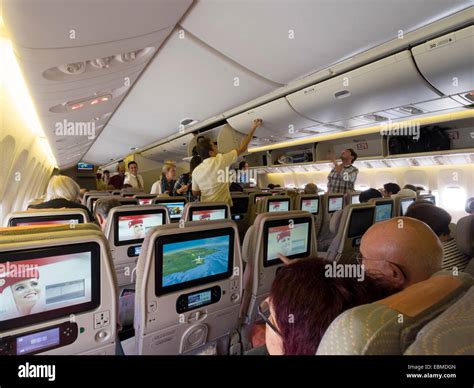
In this model, passengers rarely fly solely between Dubai and their destination. Instead, they use Dubai as a transfer hub for journeys such as:
- London to Sydney
- Johannesburg to Bangkok
- Milan to Singapore
- New York to the Maldives
Because so many travelers are connecting, Emirates often benefits from high passenger volumes on each flight. This demand supports the use of large widebody aircraft even on routes that might normally be served by narrowbodies.
For example, flights between Dubai and regional cities often carry passengers connecting onward to other continents. Filling a widebody becomes easier when travelers from multiple origins converge on the same hub.
Introducing narrowbody aircraft would disrupt this carefully optimized system. Smaller planes would reduce capacity and increase the number of aircraft needed to move the same number of passengers.
For an airline built around scale and efficiency, that trade-off rarely makes sense.
Flydubai Already Handles the Narrowbody Role
Another major factor behind Emirates’ decision involves its close partnership with flydubai, a separate airline based in the same city.
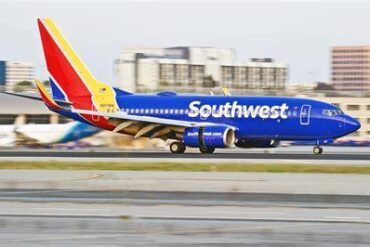
Flydubai operates a large fleet of Boeing 737 aircraft, including numerous 737 MAX 8 and MAX 9 jets. These aircraft serve regional routes across the Middle East, Central Asia, Eastern Europe, and parts of Africa.
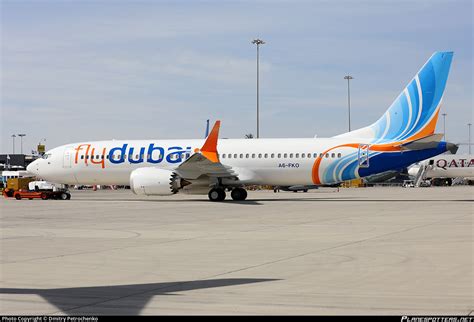
In practice, flydubai acts as a regional feeder airline for Emirates’ long-haul network. Passengers traveling from smaller cities can fly to Dubai on flydubai and then transfer to Emirates flights heading to long-haul destinations.
This arrangement offers several advantages:
- Network flexibility without requiring Emirates to operate narrowbodies
- Efficient regional connectivity for markets that cannot support widebody service
- Simplified fleet management for Emirates
By separating these roles between two airlines, Dubai’s aviation ecosystem gains the best of both worlds. Flydubai focuses on regional connectivity, while Emirates concentrates on long-haul global travel.
Because this structure already exists, Emirates has little incentive to introduce its own narrowbody fleet.
How Emirates Uses Widebodies on Short Routes
One of the most fascinating aspects of Emirates’ strategy is how it uses widebody aircraft even on relatively short routes.
Many airlines would deploy narrowbody jets for flights lasting two to four hours. Emirates often schedules Boeing 777 or Airbus A380 aircraft instead.
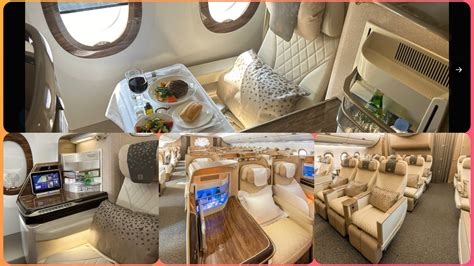
This approach works because these flights function primarily as feeders into the airline’s long-haul network. A flight from Muscat or Kuwait to Dubai may carry passengers connecting to destinations thousands of miles away.
Recently, Emirates introduced the Airbus A350-900 into its fleet, partly to support these regional routes. The aircraft is configured with approximately 312 seats in three classes, making it smaller than the airline’s A380s but still far larger than a typical narrowbody jet.
The A350’s combination of long range, modern efficiency, and high passenger capacity makes it ideal for routes that bridge the gap between regional and intercontinental travel.
Instead of replacing widebodies with narrowbodies, Emirates simply introduced a smaller widebody.
Why Other Gulf Airlines Use Narrowbody Jets
The strategy followed by Emirates contrasts sharply with those of other Middle Eastern carriers such as Qatar Airways and Etihad Airways.
Both airlines operate narrowbody aircraft, including models from the Airbus A320 family and the new Airbus A321LR.
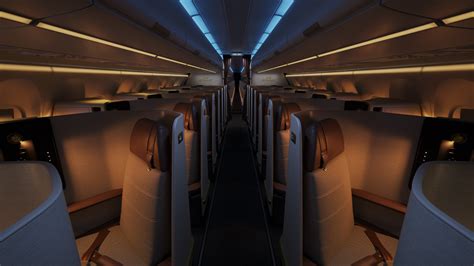
These aircraft allow them to open routes that cannot yet support widebody capacity. Narrowbodies are particularly useful for:
- Secondary city connections
- Higher flight frequencies
- Emerging markets with limited demand
For instance, the Airbus A321LR offers long range while maintaining narrowbody economics, allowing airlines to connect smaller cities across continents.
Etihad has also embraced this concept by introducing A321LR aircraft configured with premium long-haul-style cabins, including lie-flat seats in business class.
These airlines pursue a network diversification strategy, while Emirates continues to prioritize fleet specialization.
The Operational Simplicity Advantage
One often overlooked benefit of Emirates’ strategy is operational simplicity.
Running an airline with multiple aircraft categories increases complexity in several areas:
- Pilot training programs
- Maintenance infrastructure
- Spare parts inventories
- Scheduling and crew assignments
By concentrating on widebody aircraft, Emirates dramatically reduces these complications.
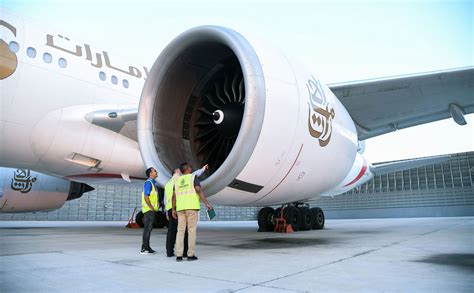
Pilots transition more easily between similar aircraft families, maintenance teams specialize in fewer systems, and the airline can streamline logistics across its massive fleet.
This simplicity contributes to lower operational costs and smoother day-to-day operations.
Introducing the Boeing 737 MAX would require Emirates to build an entirely new operational framework for a type of aircraft that its network does not fundamentally need.
For a company that values efficiency and consistency, that change would provide limited benefits.
Brand Identity and Passenger Experience
Another subtle but important factor is brand consistency.
Emirates has built its reputation around a premium travel experience that includes spacious cabins, extensive entertainment systems, and distinctive onboard amenities.
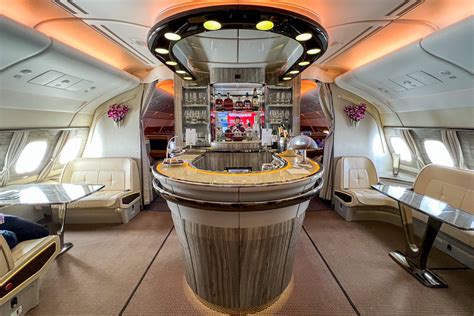
Widebody aircraft make it easier to deliver these features. The airline’s A380 onboard lounges, first-class suites, and large economy cabins are all possible because of the space available on larger aircraft.
Narrowbody jets like the 737 MAX simply do not offer the same cabin flexibility.
While modern narrowbodies can still deliver excellent passenger comfort, they rarely match the scale and luxury associated with widebody travel. Maintaining an all-widebody fleet helps Emirates preserve a consistent product across its global network.
The Bottom Line: Strategy Over Aircraft
The absence of the Boeing 737 MAX from the Emirates fleet is not a rejection of the aircraft itself. In fact, the MAX is one of the most capable and efficient narrowbody jets ever built, and it plays a vital role for airlines around the world.
However, Emirates operates under a very different strategic framework. The airline’s success comes from moving massive volumes of passengers through a single global hub using large aircraft.
With flydubai covering regional routes, widebody aircraft dominating its fleet, and Dubai serving as a global transfer hub, the airline has little need for a narrowbody fleet of its own.
In aviation, the most successful strategies are often the ones executed with discipline and clarity. Emirates’ decision to avoid the Boeing 737 MAX reflects exactly that philosophy: focus on what works, refine it continuously, and resist the temptation to complicate a system that already delivers global success.