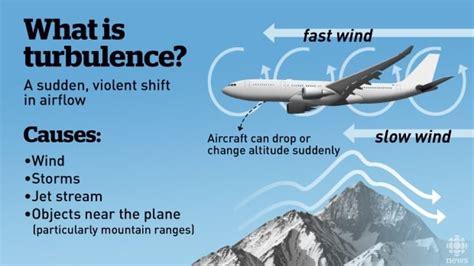
Commercial airline passengers often react to turbulence with gripping armrests, wide eyes, and silent promises to never fly again. In the cockpit just a few meters ahead, the pilots usually respond very differently. What feels dramatic and unpredictable in the cabin often appears routine and manageable from the flight deck. The difference is not bravery or indifference—it is knowledge, engineering, and perspective.
Turbulence is one of the most misunderstood aspects of aviation. The bumps and sudden shifts can create the impression that the aircraft is in danger, yet modern airliners are engineered to tolerate forces far beyond what passengers typically experience. Pilots spend years studying those limits and practicing how aircraft behave in rough air. The result is a mindset shaped by data, training, and experience, rather than instinctive fear.
Passengers experience turbulence primarily through sensation. A sudden drop triggers the body’s balance system in the inner ear, producing the unsettling feeling of falling. Without visual confirmation of what is happening outside the aircraft, the brain interprets the motion as chaotic. Pilots, by contrast, see the horizon, read flight instruments, and understand exactly what forces are acting on the aircraft at any given moment. That context turns turbulence from a mystery into a predictable physical phenomenon.
By the time an airline pilot is carrying passengers, they have already accumulated hundreds—often thousands—of hours of training. During that process, they learn precisely how much stress an aircraft structure can withstand and how to control the airplane when the air becomes rough. Turbulence stops feeling like a threat and begins to resemble something far more mundane: a natural feature of the atmosphere, like waves on the ocean.
The Training That Rewires a Pilot’s Instincts
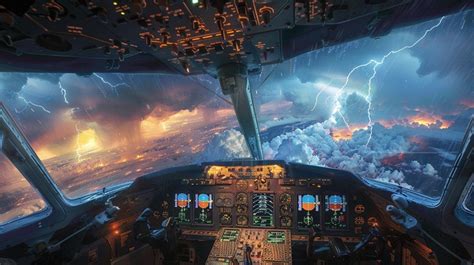
Pilots are deliberately exposed to turbulence scenarios long before they ever encounter them with passengers onboard. Flight schools introduce the concept early, and advanced airline training reinforces it through high-fidelity simulators capable of reproducing violent atmospheric disturbances.
Inside these simulators, instructors program sudden altitude deviations, strong updrafts, and rolling motion that shakes the virtual aircraft. The cockpit screens display storms, wind shear, and unstable air masses. Pilots practice maintaining control while simultaneously communicating with air traffic control and monitoring instruments. The environment can feel chaotic, but repetition transforms it into routine.
This process rewires instinct. Instead of reacting emotionally to motion, pilots learn to interpret it through aerodynamics and physics. They recognize the difference between a harmless gust and a developing weather hazard. When turbulence occurs in real flight, the sensation triggers trained responses rather than anxiety.
Even severe turbulence scenarios are practiced methodically. Pilots learn to reduce speed to the aircraft’s turbulence penetration speed, a specific velocity that minimizes structural stress. At that speed the aircraft’s wings flex naturally with the airflow, absorbing energy rather than fighting it. The technique is simple but powerful: slow down, maintain attitude, and let the airplane ride through the disturbance.
In time, turbulence becomes a professional task rather than an emotional event. Much like a sailor navigating rough seas, pilots expect the environment to change and rely on their training to manage it.
The Engineering That Makes Airliners Exceptionally Tough
One of aviation’s lesser-known realities is that commercial aircraft are massively over-engineered compared with the forces they normally experience in flight. The certification process for a new airliner requires manufacturers to demonstrate that the structure can withstand extreme loads.
During development testing, engineers bend wings upward until they nearly resemble giant bows. The structure must survive forces far beyond typical flight conditions before being allowed to carry passengers. In many cases, the wings are flexed until they finally fail in a controlled destructive test. That failure point defines the aircraft’s maximum structural limits.
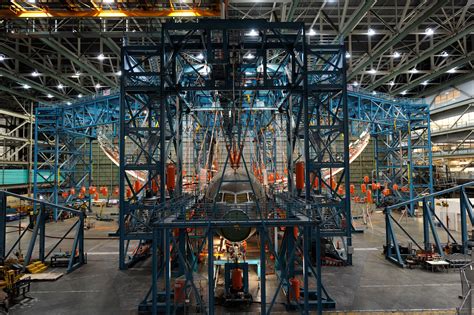
Regulatory standards demand that the wing and tail structures of a civil airliner tolerate at least 2.5 times the force of gravity in positive load conditions. Engineers then add additional safety margins on top of that requirement. In practice, the forces encountered during routine turbulence are far smaller.
Most turbulence produces temporary changes of only plus or minus half a G, meaning passengers feel slightly heavier or lighter for a moment. Structurally, this is trivial compared with what the aircraft was designed to handle. The wings flex, the fuselage absorbs the motion, and the airplane continues flying exactly as intended.
Aircraft designers also build positive stability into the airframe. This means the plane naturally returns toward stable flight after being disturbed. If a gust nudges the nose upward or downward, aerodynamic forces automatically push the aircraft back toward its trimmed attitude. Modern autopilot systems reinforce this stability by constantly making small corrections.
To pilots familiar with these engineering realities, turbulence looks less like danger and more like a temporary inconvenience.
Technology That Helps Pilots Avoid the Worst Air
Another reason pilots remain calm during turbulence is that they rarely encounter it without warning. Modern aviation relies on an intricate network of weather monitoring technology that tracks atmospheric disturbances in real time.
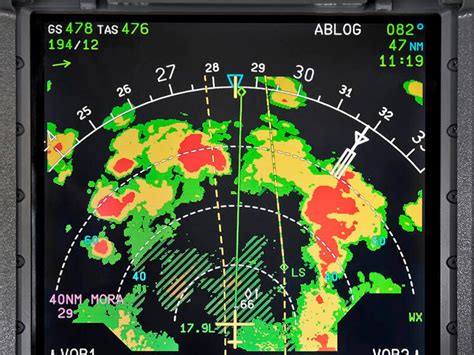
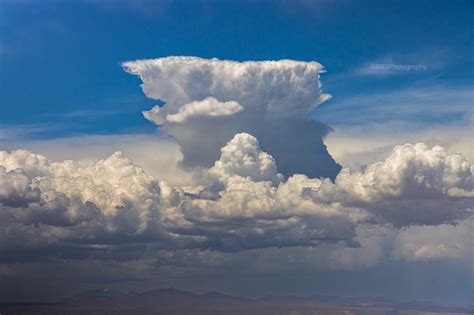
Aircraft carry onboard radar capable of detecting thunderstorm cells ahead of the flight path. These radar systems reveal towering cumulonimbus clouds where strong convective turbulence occurs. Pilots simply steer around them, usually maintaining a distance of 20 nautical miles or more from severe storms.
Beyond onboard sensors, pilots receive information from satellites, meteorological forecasts, and reports from other aircraft. Pilots who have just flown through rough air transmit pilot reports, commonly called PIREPs, describing the location and intensity of turbulence. Air traffic controllers relay those reports to other crews flying nearby.
Dispatch teams on the ground analyze global weather models before each flight. If significant turbulence is predicted along the planned route, they adjust altitude or course long before the aircraft ever leaves the gate. By the time the flight begins, much of the worst weather has already been avoided.
Even when unexpected turbulence appears, pilots have options. A request to climb or descend a few thousand feet often moves the aircraft into a smoother layer of air. Because wind patterns change rapidly with altitude, a small adjustment can transform a rough ride into a calm one.
From the cockpit perspective, turbulence is rarely a surprise attack. It is usually a known atmospheric feature that can be anticipated, monitored, and managed.
Why Turbulence Feels Worse in the Passenger Cabin
Human perception plays a major role in how turbulence is experienced. Inside the passenger cabin, visual cues remain mostly fixed. The seat, walls, and overhead bins appear stationary, which creates the expectation that the environment should remain stable.
When the aircraft suddenly moves, the inner ear detects acceleration and rotation. The brain struggles to reconcile that sensation with the seemingly motionless surroundings. This mismatch amplifies the feeling of instability.
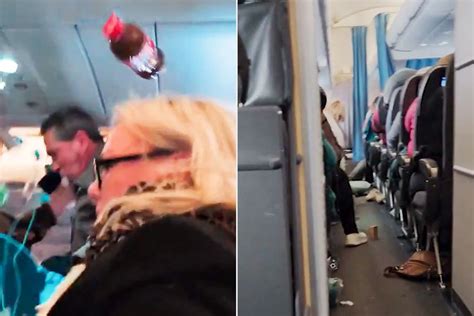
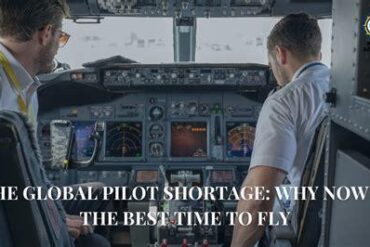
Pilots experience something very different. Their forward-facing windows provide a clear view of the horizon, clouds, and sky. Even when the aircraft moves, the visual reference remains consistent. Instead of perceiving random motion, they see a controlled aircraft responding to airflow.
The cockpit environment also includes a wealth of information. Flight instruments display altitude, vertical speed, pitch angle, and airspeed with precise numerical clarity. If the airplane climbs or descends slightly due to a gust, pilots see exactly how much and why.
This constant feedback prevents the imagination from filling in gaps. While passengers may interpret a sudden drop as a dramatic loss of altitude, pilots often see only a brief adjustment of a few dozen feet.
Perspective reshapes emotion. When the mechanics of motion are understood, the mystery—and much of the fear—disappears.
The Many Types of Turbulence Pilots Learn to Recognize
Not all turbulence forms in the same way. Pilots learn to identify different atmospheric processes that create rough air, each with distinct patterns and locations.
Clear-air turbulence is one of the most interesting varieties because it occurs in otherwise cloudless skies. It forms near jet streams, where fast-moving rivers of air create strong wind shear between layers of the atmosphere. Because there are no visible clouds, radar cannot detect it easily, so pilots rely on forecasts and reports from other aircraft.
Convective turbulence forms inside and around thunderstorms. Powerful updrafts and downdrafts inside cumulonimbus clouds can extend tens of thousands of feet vertically. These storms are visually dramatic and easily detected by radar, which is why pilots typically avoid them entirely rather than flying through them.
Thermal turbulence is common on warm sunny days over land. Uneven heating of the ground creates rising columns of warm air and sinking cooler air between them. Small aircraft and gliders encounter these bumps frequently, especially in the afternoon when solar heating peaks.
Mechanical turbulence occurs near the ground when wind flows over buildings, hills, or mountains and breaks into swirling eddies. It is most noticeable during takeoff and landing when aircraft fly through lower altitudes.
Mountain-wave turbulence forms when stable air flows over large mountain ranges and oscillates on the downwind side like ripples in water. These waves can extend into the lower stratosphere and occasionally produce powerful vertical motions.
Wake turbulence, meanwhile, is created by other aircraft. Large airplanes generate spiraling vortices from their wingtips as they produce lift. Air traffic controllers maintain spacing between aircraft to ensure these rotating air currents dissipate before another plane passes through.
Understanding these processes turns turbulence into a map of atmospheric behavior rather than a random threat.
How Aircraft Naturally Ride the Waves of the Atmosphere
Airliners are designed to interact with turbulent air in surprisingly elegant ways. Flexible wings play a key role. Instead of resisting gusts rigidly, the wings bend and absorb energy, much like a tree branch swaying in the wind.
This flexibility spreads forces gradually through the structure rather than concentrating them in one place. As a result, the aircraft experiences smoother loads and reduced structural stress. Passengers may notice the motion, but the airplane itself handles it with ease.
Autopilot systems add another layer of stability. Modern flight control computers constantly adjust control surfaces to maintain the desired attitude and flight path. These micro-corrections occur dozens of times per second, smoothing out oscillations that humans might struggle to manage manually.
In moderate turbulence, pilots often leave the autopilot engaged because the system reacts faster and more precisely than manual inputs. The aircraft essentially becomes a self-stabilizing machine riding invisible atmospheric waves.
The Rare Situations Where Turbulence Causes Injuries
Despite the dramatic sensations turbulence can create, actual injuries in commercial aviation are rare. In the United States, only a few dozen passengers are injured each year due to turbulence, and nearly all of those cases share a common factor: seat belts were not fastened.
When an aircraft suddenly experiences a vertical gust, unsecured passengers can briefly lift from their seats. Cabin crew members moving through the aisle are particularly vulnerable if turbulence appears unexpectedly.
For this reason, airlines encourage passengers to keep seat belts fastened even when the sign is turned off. It is a simple precaution that virtually eliminates the risk of injury during moderate turbulence.
Importantly, turbulence almost never threatens the structural integrity of modern airliners. In the jet age, accidents caused solely by turbulence are essentially unheard of.
When Turbulence Can Actually Help a Flight
Strangely enough, turbulent weather systems sometimes bring unexpected benefits. Jet streams—those powerful high-altitude winds associated with clear-air turbulence—can dramatically increase an aircraft’s ground speed when flying in the same direction.
A remarkable example occurred in 2020 when a British Airways Boeing 747 flew from New York to London in just under five hours, far faster than the typical six-hour journey. The aircraft rode exceptionally strong tailwinds generated by Storm Ciara, reaching ground speeds above 800 miles per hour.
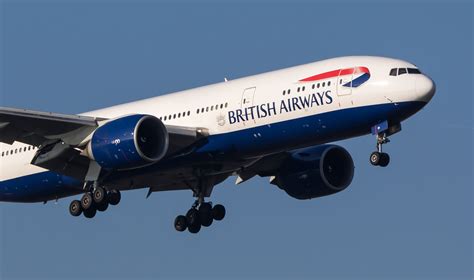
Although the aircraft itself never exceeded the speed of sound relative to the surrounding air, the powerful tailwind pushed its ground speed into supersonic territory relative to the Earth below.
For pilots, turbulence associated with jet streams often signals the presence of these powerful winds. A small adjustment in altitude or course can place the aircraft in the most favorable part of the flow, saving both time and fuel.
The same atmospheric forces that produce bumpy air can therefore become unexpected allies in efficient flight.
Why Pilots Stay Calm When the Cabin Gets Bumpy
In the end, the difference between a nervous passenger and a calm pilot comes down to understanding. Pilots know how the aircraft was built, how the atmosphere behaves, and how to respond when the air becomes rough.
They see turbulence not as a chaotic danger but as a predictable interaction between aircraft and atmosphere. Training transforms reaction into procedure. Engineering ensures enormous safety margins. Technology provides early warning and avoidance strategies.
For passengers, turbulence can feel like the airplane is losing control. For pilots, it usually means nothing more dramatic than adjusting speed, monitoring instruments, and waiting for smoother air ahead.
In other words, what feels like a crisis in the cabin is often just another ordinary moment in the strange, restless ocean of air that surrounds our planet.