Southwest Airlines has long been associated with the Boeing 737 series, building its identity around this iconic aircraft. However, despite the 737’s historical importance to the airline, Southwest is now steering away from its aging Boeing 737 NG (Next Generation) fleet, moving towards a more efficient and streamlined operation with the newer Boeing 737 MAX series. This shift, although grounded in practical necessity, marks a pivotal moment in the airline’s long-term strategy, as it seeks to stay competitive in the increasingly challenging aviation industry.
A Brief History of Southwest Airlines’ Boeing 737 Legacy
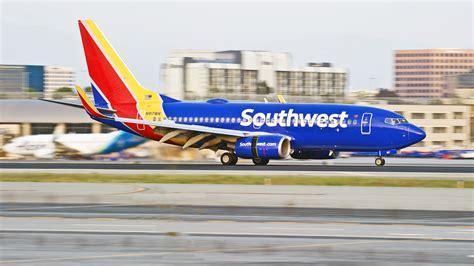
Southwest Airlines, founded in 1967, quickly became known for its innovative business model, emphasizing low-cost fares and simple operations. The company’s reliance on the Boeing 737 began in its early years, when the airline became the launch customer for the 737-700 model in 1997. This marked the beginning of a strong and lasting relationship between Southwest Airlines and Boeing, with the airline eventually operating an extensive fleet of Boeing 737 variants.
For nearly two decades, the Boeing 737 NG series dominated Southwest’s fleet. The 737 NG, or Next Generation series, consists of the 737-600, -700, -800, and -900 models. These aircraft featured a larger wingspan, increased fuel capacity, and a longer range than their predecessors, making them a perfect fit for Southwest’s domestic network. The 737-700, with its smaller size and more efficient operations, became particularly popular, and by 2018, Southwest had over 500 Boeing 737 NG aircraft in service.
However, as these aircraft aged, they started to face increasing operational challenges.
The Economic Burden of Aging Aircraft
The Boeing 737 NG series, although once the backbone of Southwest Airlines, has now become a financial burden due to its aging components and increasing maintenance needs. Southwest’s fleet of 737-700s, with an average age of 19.4 years, requires frequent and costly overhauls. These aircraft are subject to extensive checks, with some taking weeks to complete and costing millions of dollars per plane.
As aircraft age, they not only require more frequent maintenance, but they also become less fuel-efficient. The 737 NG aircraft, although reliable, cannot compete with the advancements seen in newer aircraft models, particularly in fuel economy. In an era where fuel costs represent one of the largest expenses for airlines, the 737 NGs’ higher fuel consumption has become a significant disadvantage.
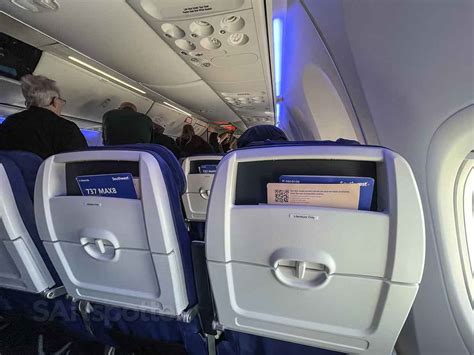
Additionally, older 737 NG aircraft lack many modern amenities that passengers have come to expect, such as power outlets, updated interiors, and quieter cabins. These shortcomings, while perhaps not immediately apparent to passengers, contribute to an overall experience that is less appealing than the more advanced options available today.
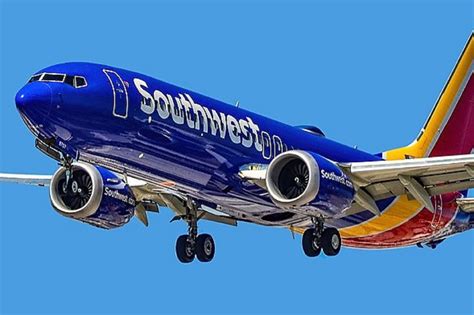
The Shift to the 737 MAX: Fuel Efficiency and Simplified Operations
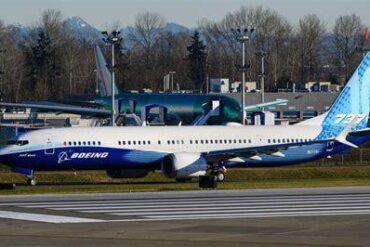
Southwest Airlines has already begun to phase out its fleet of aging Boeing 737 NG aircraft in favor of the newer Boeing 737 MAX series. This transition to the 737 MAX is driven by the aircraft’s significant improvements in fuel efficiency, lower operational costs, and reduced environmental impact. The MAX series, particularly the 737 MAX 7 and MAX 8 models, offers substantial improvements over the older 737 NG aircraft, providing double-digit gains in fuel burn reduction.
The 737 MAX features the more advanced CFM International LEAP engines, which not only increase thrust but also improve fuel efficiency. Additionally, the aircraft has several aerodynamic enhancements, including split-tip winglets and a recontoured tailcone, which further reduce drag and improve overall performance. These upgrades translate into substantial savings for Southwest, both in terms of fuel and maintenance costs.
Moreover, the 737 MAX is equipped with a quieter engine, which helps meet stricter noise regulations at airports. This is an important consideration for Southwest as it looks to maintain its position as a top low-cost carrier while minimizing its environmental footprint.
Simplification of the Fleet: Strategic Benefits
Another key factor driving Southwest’s decision to move away from the 737 NG series is the desire for fleet simplification. The 737 MAX 7 will replace the aging 737-700 fleet, providing more seats and better fuel efficiency. This simplification extends beyond just operational efficiency; it also reduces the complexity of pilot training, maintenance procedures, and parts inventory.
Southwest has long relied on its single-fleet strategy, operating only Boeing 737 aircraft. This has allowed the airline to maintain a streamlined operation, ensuring that pilots can operate multiple variants of the 737 without additional training, and that maintenance crews can service the entire fleet with a smaller range of spare parts.
The introduction of the 737 MAX is in line with this strategy. By consolidating its fleet around a single, newer aircraft model, Southwest can continue to optimize its operations and maintain its low-cost structure while offering passengers an improved flying experience.
The Future of Southwest’s Fleet: Transitioning to the 737 MAX
Southwest Airlines is set to take delivery of nearly 300 Boeing 737 MAX 8 aircraft, with additional deliveries of the 737 MAX 7 and MAX 9 models in the coming years. This ambitious plan will see the airline gradually phase out its 737 NG fleet, replacing the older models with newer, more efficient ones that better align with the airline’s goals for fuel savings, cost control, and passenger satisfaction.
By 2025, Southwest expects the 737 MAX series to represent the majority of its fleet, significantly reducing its reliance on the aging 737 NG aircraft. With its 737 MAX fleet, Southwest will not only improve its operational efficiency but also enhance its environmental performance. The MAX’s reduced fuel consumption and quieter engines will help the airline meet sustainability goals while staying competitive in the increasingly eco-conscious aviation industry.
Conclusion
The decision by Southwest Airlines to move away from its Boeing 737 NG fleet and transition to the more efficient 737 MAX series is a strategic one, driven by the airline’s need to remain competitive in a rapidly evolving market. As the aviation industry faces mounting pressure to reduce operating costs and improve environmental sustainability, Southwest’s move towards the 737 MAX represents a smart business decision.
While the 737 NG series has served Southwest well for nearly two decades, its aging components and declining efficiency have made it clear that a change was necessary. The 737 MAX offers a more cost-effective solution, providing fuel savings, improved passenger experience, and operational simplicity. This shift not only marks a new chapter in Southwest’s history but also sets the airline on a path toward a more sustainable and profitable future.