Travelers flying with American Airlines are often left wondering whether their backpack, duffel, or small suitcase qualifies as a carry-on or must be checked. In a world where luggage fees can skyrocket and boarding policies vary between carriers, understanding the distinctions between a carry-on bag and a personal item is not merely useful—it is essential. Our deep dive into American Airlines’ policy clarifies these rules and provides you with strategic insights to help avoid frustration at the gate.
Understanding American Airlines’ Carry-On Policy
At the heart of American Airlines’ baggage allowance lies a clear but sometimes misunderstood policy: each passenger is allowed one carry-on bag and one personal item at no additional cost. While the principle is simple, the confusion often stems from what counts as what.
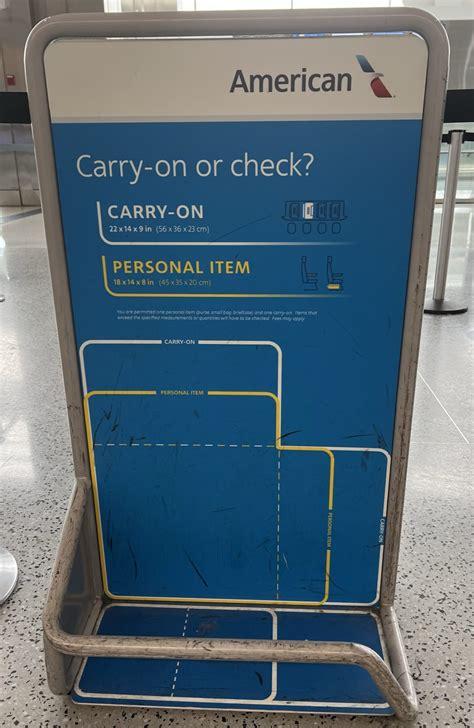
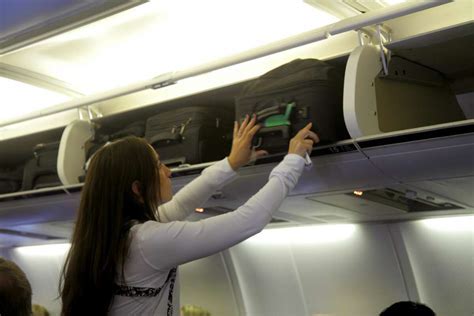
The carry-on bag must meet the airline’s official size limit: 22 x 14 x 9 inches (56 x 36 x 23 cm) including handles and wheels. It is intended for the overhead bin. Meanwhile, a personal item must be smaller, fitting comfortably under the seat in front of you. Typical examples include small backpacks, laptop bags, briefcases, or handbags.
Backpack Dilemma: Personal Item or Carry-On?
The distinction between a backpack as a personal item or carry-on depends entirely on its dimensions and how it is used. A small backpack that slides easily under the seat qualifies as a personal item. However, if the backpack matches the carry-on dimensions or is too bulky to fit under the seat, it automatically becomes your carry-on bag.
This distinction is critical because you are only permitted one carry-on and one personal item. You cannot board with two carry-on-sized items. If both your backpack and roller suitcase are of carry-on size, one of them must be checked at the gate.
Real-World Scenarios from Frequent Flyers
Insights from American Airlines passengers reveal how this policy plays out:
- A traveler with a backpack the size of a carry-on found that if it doesn’t fit under the seat, it must go in the overhead bin, thus counting as their carry-on.
- Others noted that the airline is indifferent to bag type—a duffel, shopping bag, or purse—so long as it fits within the personal item size restriction.
- Several flyers caution that enforcement often depends on factors like boarding group number, aircraft size, and flight capacity. Passengers in later boarding groups are more likely to be required to gate check their carry-on bag.
Carry-On vs. Personal Item: What’s the Technical Difference?
Let us define these terms with precision:
- Carry-On Bag: Must not exceed 22 x 14 x 9 inches. Stowed in the overhead bin.
- Personal Item: Must fit under the seat, typically 18 x 14 x 8 inches or smaller.
The bag type—whether it’s a backpack, tote, or roller—does not matter. What matters is where it fits and whether it adheres to the dimensional rules.
The Gate Agent’s Role in Interpretation
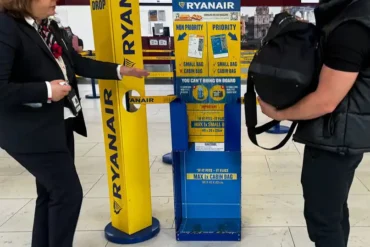
While the rules are published, gate agents are the final authority during boarding. They often use bag sizers with yellow and red lines to determine if your item qualifies. If your item fails the sizer test, you’ll be required to check it—possibly incurring a fee or delay.
Flyers also report that some leniency may be shown during quieter flights, while fully booked flights tend to prompt stricter enforcement. To avoid unnecessary conflict, it is best to assume full enforcement of size rules.
Strategic Packing: Avoiding Fees and Delays
To ensure you board smoothly:
- Measure your backpack in advance. If it exceeds the personal item limit, it is a carry-on.
- Use one carry-on sized item only, unless you are prepared to check the second.
- Board early if possible. Passengers in Groups 7–9 are most at risk of gate checks.
- Use soft-sided bags that can compress to fit sizers.
What If Your Bag Gets Gate Checked?
If your carry-on is flagged and there’s no space in the overhead bins, American Airlines may gate check it to your final destination free of charge. However, this is not guaranteed. If your bag was oversized or exceeded the free baggage allowance, you may face a checked baggage fee.
Gate checking also introduces a risk: your bag will travel in the cargo hold, which means you lose access to it during the flight and may face delays during baggage claim.
Tips from Frequent Travelers on American Airlines
Experienced travelers offer the following practical advice:
- Always assume the strictest interpretation of rules.
- If you plan to carry both a roller and a large backpack, prepare to check one.
- Use packing cubes to reduce your bag’s bulk and make compression easier.
- Pay attention to announcements during pre-boarding, which often include reminders about carry-on limitations.
Exceptions and Special Cases
American Airlines offers some leeway in special situations:
- Passengers with infants may bring an additional diaper bag.
- Assistive devices like wheelchairs, crutches, or CPAP machines do not count toward carry-on limits.
- Those in First or Business Class often have earlier boarding and better overhead access, reducing gate check risk.
However, none of these conditions change the fundamental rule: only one carry-on and one personal item per passenger.
Final Thoughts: Maximize Convenience, Minimize Hassle
American Airlines’ carry-on policy is both generous and strict. It permits a full-sized overhead bag and a smaller personal item for every passenger. But the success of your boarding experience depends on understanding the nuanced definitions, accurately assessing your bag size, and preparing for enforcement.
When in doubt, measure your items, test them in a real bag sizer if possible, and be ready to adapt. A backpack, regardless of style or label, is judged not by its appearance but by its ability to fit under the seat or in the bin. Adhering to these principles ensures that your trip begins not with frustration, but with confidence.