Navigating the skies with American Airlines requires a clear understanding of their specific policies, particularly when it comes to what you can bring into the cabin. A smooth journey often begins before you even reach the airport, with savvy packing that adheres to the airline’s carry-on bag size limits and rules. While many of these regulations align with general air travel standards, American Airlines has its own nuances that, if overlooked, could lead to unexpected checked bag fees or the inconvenience of gate-checking your carefully packed carry-on. This comprehensive guide will delve into the precise details of American Airlines’ carry-on dimensions, weight restrictions, personal item allowances, and the often-confusing list of permitted and prohibited items, ensuring you board your flight with confidence and ease.
At the heart of American Airlines’ policy is a straightforward allowance designed to accommodate the essential needs of most travelers while maintaining safety and comfort within the aircraft cabin. Every passenger is entitled to bring one standard carry-on bag or, as an alternative, one soft-sided garment bag. In addition to this primary piece of luggage, each passenger is also permitted one personal item. This dual allowance provides flexibility, whether you’re a business traveler with a suit bag and a laptop case or a leisure explorer with a roller bag and a small backpack. Understanding the specific limitations for each of these items is crucial to avoid any last-minute complications at the boarding gate, ensuring your travel experience remains as seamless as possible.
Decoding American Airlines Carry-On Bag Dimensions and Weight
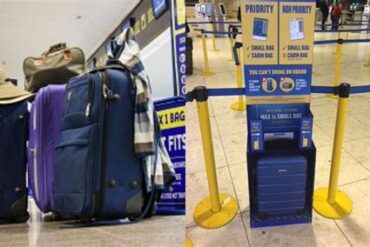
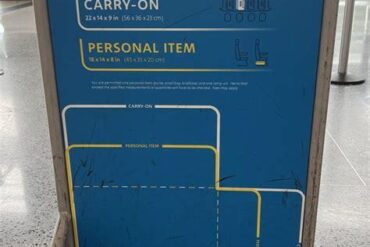
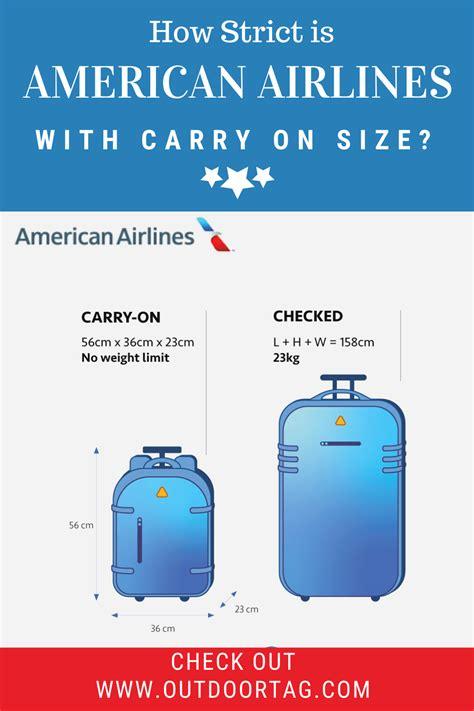
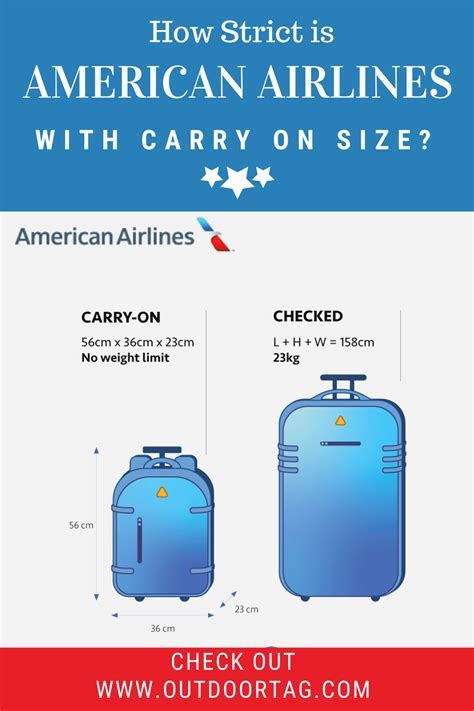
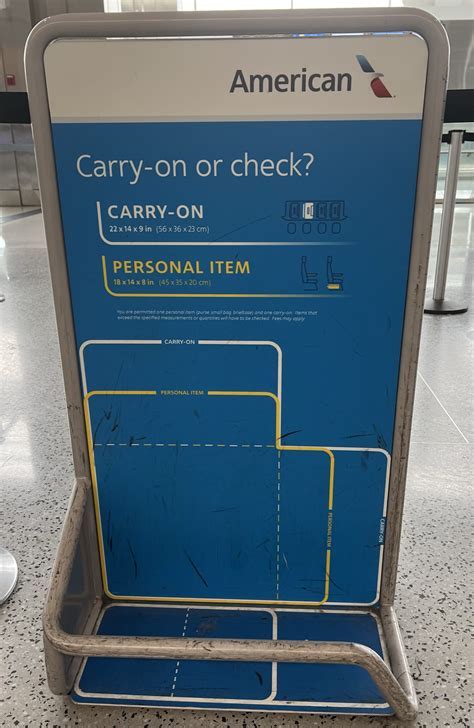
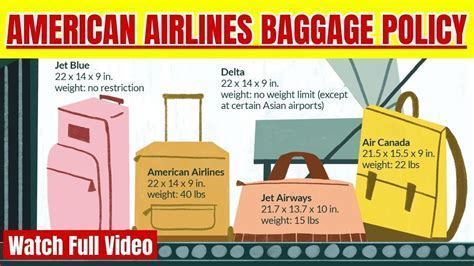
When it comes to your primary carry-on bag, American Airlines is quite specific about the maximum allowable dimensions. Your bag, including any handles and wheels, must not exceed 22 inches in length x 14 inches in width x 9 inches in height (56 cm x 36 cm x 23 cm). These dimensions are standard across many airlines, reflecting the typical size of overhead bin compartments on most commercial aircraft. Crucially, all carry-on bags must be able to fit into the sizer units available at the check-in counters and, more importantly, at the departure gate. Airport staff are vigilant about this, and if your bag is deemed too large to fit comfortably within the sizer, you will be required to check it. This isn’t merely an inconvenience; it often incurs a checked bag fee, which can range from $30 to $200 or more, depending on your destination and whether you’ve already checked other luggage. Preparing for this by measuring your bag at home can save both time and money.
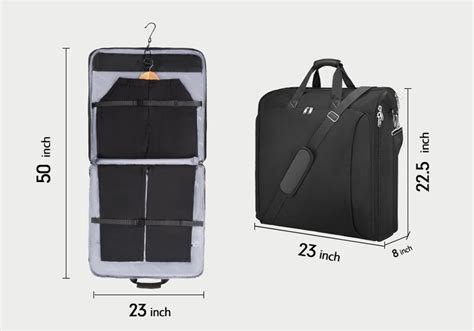
For travelers who prefer to transport formal wear or delicate clothing without excessive folding, American Airlines offers the option of substituting a soft-sided garment bag for a standard carry-on bag. These garment bags can be significantly larger in one dimension, with a total linear measurement (length + width + height) of up to 51 inches (130 cm). This allowance is particularly beneficial for those traveling for weddings, business conferences, or other events requiring specific attire. However, it’s important to remember that this is an either/or situation – you cannot bring both a standard roller carry-on and a large garment bag under the single carry-on allowance.
Beyond physical dimensions, American Airlines also imposes a weight limit on carry-on bags, a detail that sets it apart from some other carriers that focus solely on size. Your carry-on bag must not weigh more than 40 pounds (18 kilograms). While gate agents may not weigh every single carry-on, they reserve the right to do so, especially if a bag appears unusually heavy or bulky. Exceeding this weight limit can also lead to your bag being gate-checked, potentially incurring fees. It’s a wise practice to weigh your packed carry-on at home to ensure compliance.
Travelers with musical instruments also need to be aware of the policy. An instrument that can fit safely under the seat in front of you or in an overhead compartment will be counted as your one standard carry-on bag. If your instrument is larger, you may need to purchase an additional seat for it or explore options for checking it as baggage. Similarly, those wishing to travel with a small dog or cat in the cabin can substitute an approved pet carrier for their carry-on bag. This service comes with an additional fee, typically around $125.00 each way, and there are specific requirements for the carrier’s size and the pet’s well-being during the flight. Advanced booking for in-cabin pets is highly recommended due to limited space.
A prudent tip for all travelers is to label all carry-on bags with your name, contact information, and flight details, just as you would for checked luggage. This is a precautionary measure in case your bag unexpectedly needs to be checked at the gate, perhaps due to failing the size or weight check, or even if the airline requests volunteers to check carry-on bags for free due to limited overhead bin space on a particularly full flight. Being prepared for this eventuality can make the process smoother if it occurs.
The Indispensable Personal Item: AA’s Guidelines
In addition to your main carry-on bag, American Airlines permits each passenger to bring one personal item onto the aircraft. This item is intended to be smaller than your carry-on and must be stowed securely underneath the seat in front of you during takeoff and landing. Common examples of acceptable personal items include a purse, a small backpack, a laptop bag, a camera bag, or a briefcase. The key criterion is its ability to fit in the designated space without obstructing aisles or emergency exits.
To ensure your personal item complies, American Airlines specifies that it should generally not be larger than 18 inches x 14 inches x 8 inches (45 cm x 35 cm x 20 cm). While these dimensions are often presented as guidelines rather than strictly enforced hard limits like the carry-on sizer, attempting to bring an oversized personal item can lead to issues. If your personal item is too large to fit under the seat, you may be asked to place it in an overhead bin if space permits, or, in a worst-case scenario, be required to check it, potentially consolidating it with your main carry-on if that bag is also being checked. Keeping your personal item compact ensures it serves its purpose: providing easy access to essentials like travel documents, medications, entertainment, and a small snack during the flight.
Special Carry-On Provisions: Infants, Medical Needs, and More
American Airlines recognizes that certain travelers have unique needs and provides additional allowances beyond the standard carry-on and personal item for specific circumstances. These provisions are designed to make travel more manageable for parents with young children and individuals requiring medical assistance.
For adults traveling with infants (children under two years of age), whether as a lap child or in a ticketed seat, American Airlines permits several essential items in addition to the adult’s own carry-on and personal item allowance. These include:
- Diaper bags: One diaper bag per infant is allowed, which can contain all the necessary supplies for the baby during the flight.
- Soft-sided cooler bags containing breast milk: Recognizing the needs of nursing mothers, these are permitted.
- Approved child safety seats (car seats): These can be brought on board for use if a seat has been purchased for the infant, or they can be gate-checked free of charge.
- Strollers: Small, collapsible strollers can often be gate-checked and returned to you at the aircraft door upon arrival. Larger strollers may need to be checked at the ticket counter.
Travelers requiring medical assistive devices or those accompanied by service animals also receive special consideration. Wheelchairs, walkers, crutches, and canes can be brought onto American Airlines flights at no additional charge and do not count towards your carry-on allowance. These items can typically be stowed in the cabin or gate-checked. It’s advisable to inform the airline in advance about any specific needs regarding assistive devices. Service animals, such as guide dogs, are permitted to fly in the cabin free of charge, provided they are accompanying an owner who is fully dependent on the animal for assistance. Proper documentation and adherence to specific airline and regulatory guidelines are necessary for travel with service animals.
Mastering the 3-1-1 Rule: Liquids in Your AA Carry-On
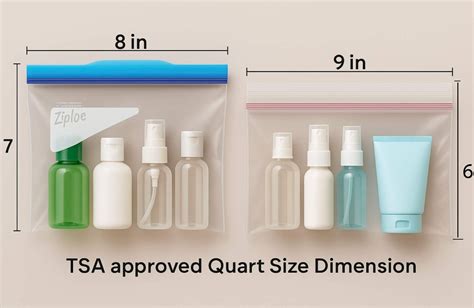
When packing your carry-on for an American Airlines flight, it’s imperative to adhere to the Transportation Security Administration (TSA) restrictions on liquids, gels, creams, pastes, and aerosols. This is commonly known as the 3-1-1 rule. Each passenger is allowed to bring liquids in travel-sized containers of 3.4 ounces (100 milliliters) or less per item. All of these containers must then fit comfortably into one single, clear, sealable, quart-sized plastic bag. Each passenger is limited to just one of these bags.
This rule applies to a wide range of toiletries and personal care items, such as shampoo, conditioner, lotion, toothpaste, hair gel, and liquid makeup. It’s crucial to ensure that your containers are genuinely 3.4 ounces or smaller; larger containers, even if only partially filled, are generally not permitted through security. The quart-sized bag must be completely sealed and will be screened separately from your carry-on luggage at the TSA checkpoint. Being prepared with your liquids properly packed can significantly expedite your passage through security. Exceptions to this rule include medically necessary liquids, infant formula, and breast milk, which may be allowed in larger quantities but must be declared to TSA officers for inspection.
Permitted Extras: What Else Can You Bring Onboard American Airlines?
Beyond your standard carry-on bag and personal item, and in addition to the special allowances for infants and medical needs, American Airlines permits passengers to board with a few other items that do not count against their primary allowance. These often include:
- A coat, jacket, or other outerwear: You can wear it or carry it on.
- A pillow or blanket: For comfort during the flight.
- Books or newspapers: For in-flight reading.
- Food for consumption during the flight: Small bags or containers of food are generally allowed, though certain restrictions on agricultural products may apply for international flights.
- Drinks purchased after passing through security: Beverages bought in the gate area are fine to bring on board.
- Lithium batteries: Spare lithium batteries for devices like laptops, phones, or cameras are permitted in carry-on luggage, provided the terminals are covered or insulated to prevent short circuits. However, loose lithium batteries are generally prohibited in checked baggage.
- Duty-free merchandise: Items purchased at duty-free shops in the airport can be brought on board, typically in the sealed bag provided by the retailer.
- Approved safety seats for a lap or ticketed child: As mentioned earlier, these are welcome.
- Medically necessary devices: This can include items like CPAP machines, portable oxygen concentrators (POCs approved by the FAA), and other essential medical equipment. It’s always best to notify the airline in advance and carry any necessary documentation.
These additional allowances provide a degree of practical flexibility, allowing passengers to carry essential comfort items and necessities without encroaching on their main luggage space.
Red Alert: Items Strictly Forbidden in American Airlines Carry-On Luggage
Safety and security are paramount in air travel, and as such, American Airlines, in strict adherence to TSA regulations and international aviation laws, prohibits a significant list of items from being brought into the aircraft cabin via carry-on luggage. Attempting to bring any of these items can result in confiscation, fines, and in some cases, more severe legal consequences. It is the passenger’s responsibility to be aware of these restrictions. The TSA website provides the most current and comprehensive list, but key examples of prohibited items include:
- Alcoholic beverages in containers larger than 3.4 ounces (100 milliliters) or exceeding 70% alcohol by volume (140 proof).
- Camping equipment that utilizes flammable fuel, such as camp stoves (unless brand new, empty of all fuel, and cleaned to remove all vapors).
- Caustic or corrosive chemicals, including items like drain cleaners, acids, and wet-cell batteries (except for certain wheelchair batteries which have specific handling procedures).
- Firearms and ammunition: All firearms, ammunition, and firearm parts are strictly prohibited in carry-on bags. They may be transported in checked baggage only under very specific and stringent conditions.
- Fireworks, sparklers, gunpowder, and other explosives: Absolutely forbidden in both carry-on and checked baggage.
- Flammable items such as lighter fluid, flammable paints, paint thinners, and strike-anywhere matches. (One book of safety matches or one common lighter is typically allowed on your person).
- Insect sprays and repellents that are not in compliance with the 3-1-1 liquids rule or contain hazardous chemicals.
- Internal combustion engines, even small ones, unless brand new and never fueled.
- Liquids, gels, and aerosols in containers larger than 3.4 ounces (100 milliliters), unless they are medically necessary or infant nourishment and declared to TSA.
- Personal air purifiers/ionizers that emit ozone may be restricted. Always check specific model acceptability.
- Poisons and toxic substances.
- Pool chemicals like chlorine and shock treatments.
- Printer and toner cartridges exceeding certain weight limits (often 16 ounces or 453 grams) may be restricted in carry-on, though typically allowed in checked bags.
- Propane tanks and heaters.
- Radioactive materials (except for very limited quantities in some medical applications, with prior approval).
- Self-defense sprays such as pepper spray, mace, and bear deterrent. These are not allowed in the cabin.
- Self-heating meals (MREs) that use a chemical heating element.
- Sharp objects that could be used as weapons, including box cutters, utility knives, razor blades not in a cartridge, and carpet knives. Small scissors with blades less than 4 inches from the pivot point are usually permitted.
- Signal flares.
- Sterno (canned heat).
- Styrofoam containers are not explicitly banned but may be scrutinized, and their contents must comply with all other rules.
This list is not exhaustive, and regulations can change. Always consult the official American Airlines and TSA websites before packing for the most up-to-date information.
Strategic Packing: Selecting the Ideal Carry-On for Your AA Flight
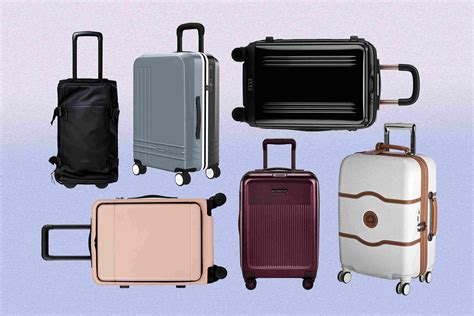
The choice of carry-on bag for your American Airlines journey should extend beyond merely meeting the airline’s size and weight policy. Your destination, the duration of your trip, and the nature of your travel (business or leisure) are all critical factors to consider. For a spontaneous weekend getaway, a compact backpack or a small duffel bag might provide ample space and easily meet the carry-on criteria. These options offer flexibility and are generally easier to maneuver through crowded airports and fit under seats if necessary.
For longer trips or business travel where you might need to carry more clothing, electronics, and documents, a full-sized roller carry-on suitcase is often the preferred choice. These bags are designed to maximize packing space within the standard 22x14x9 inch limits. Look for lightweight yet durable materials to help stay under the 40-pound weight limit. Features like spinner wheels can enhance maneuverability, while well-organized compartments can make packing and accessing your belongings more efficient. Regardless of your choice, always double-check its external dimensions, including wheels and handles, with a tape measure before you head to the airport. Investing in a quality carry-on that complies with American Airlines’ carry-on bag size can significantly enhance your travel experience by avoiding the stress and potential costs of gate-checking.
Avoiding Pitfalls: Consequences of Non-Compliance with AA Carry-On Rules
Failing to adhere to American Airlines’ carry-on regulations can lead to a series of undesirable consequences that can disrupt your travel plans and add unexpected costs. The most common outcome for bags that exceed the size or weight limits is forced gate-checking. This means your bag will be taken from you at the boarding gate and stowed in the aircraft’s cargo hold. While this might seem like a minor inconvenience, it often comes with checked bag fees, especially if it’s considered an oversized or overweight carry-on, or if it becomes your first or second checked bag beyond any free allowance your ticket or status might provide. These fees can be substantial.
Beyond financial implications, non-compliance can cause delays – not just for you, but potentially for other passengers as well, as gate agents deal with non-compliant luggage. If your carry-on contains prohibited items, these will likely be confiscated by TSA or airline security. In some instances, depending on the nature of the prohibited item (e.g., weapons, large quantities of hazardous materials), there could be more serious repercussions, including questioning by authorities or denial of boarding. Understanding and respecting the rules is fundamental for a smooth and uneventful journey.
Pro Traveler Tips for a Seamless American Airlines Carry-On Experience
To ensure your boarding process with American Airlines is as smooth as possible and you avoid any carry-on related hiccups, consider these pro traveler tips:
- Measure and Weigh at Home: Before leaving for the airport, use a measuring tape and a luggage scale to confirm your carry-on bag and personal item meet American Airlines’ size and weight restrictions. This simple step can save a lot of stress.
- Pack Liquids Wisely: Ensure all your toiletries adhere to the TSA’s 3-1-1 rule. Have your quart-sized bag easily accessible for security screening.
- Personal Item Essentials: Keep your most important items – travel documents (passport, boarding pass), medications, valuables, phone, and a charger – in your personal item. This ensures they are always with you and accessible, even if your main carry-on needs to be gate-checked.
- Be Prepared for Sizer Checks: Don’t overstuff your bag to the point where it’s bulging. Gate agents are trained to spot bags that might not fit, and you may be asked to place your bag in the sizer.
- Dress in Layers & Wear Bulky Items: If you’re tight on space or weight, wear your heaviest shoes and bulkiest jacket or sweater on the plane instead of packing them.
- Consider Boarding Priority: If you’re concerned about overhead bin space, especially on full flights, consider options that offer earlier boarding, such as purchasing Priority Boarding or holding AAdvantage elite status. This increases your chances of finding space for your carry-on directly above your seat.
- Know Your Aircraft: Overhead bin sizes can vary slightly between different aircraft types. While the standard carry-on size is designed to fit most, being mindful of this can be helpful, especially on smaller regional jets.
- Communicate Special Needs: If you’re traveling with fragile items, musical instruments, medical equipment, or have other special requirements, contact American Airlines in advance to understand any specific procedures or obtain necessary approvals.
By familiarizing yourself thoroughly with American Airlines’ carry-on bag size limits and rules, and by packing strategically, you can significantly reduce travel-day stress. A well-prepared traveler is a happy traveler, ready to enjoy their flight without the worry of last-minute luggage issues. Understanding these policies ensures that your journey, from check-in to arrival, is as comfortable and efficient as possible, allowing you to focus on the destination ahead.