The airline industry is no stranger to change, especially when it comes to the evolving policies that shape the passenger experience. American Airlines, one of the largest carriers in the United States, is making a notable shift in how it manages carry-on luggage regulations—a change that could significantly affect the boarding process for millions of travelers.
American Airlines Overhauls Gate Bag Checks
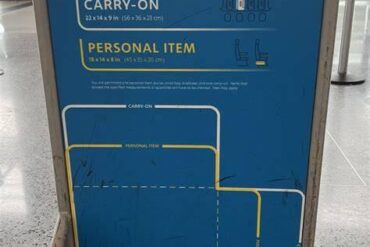
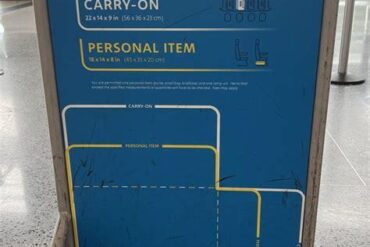
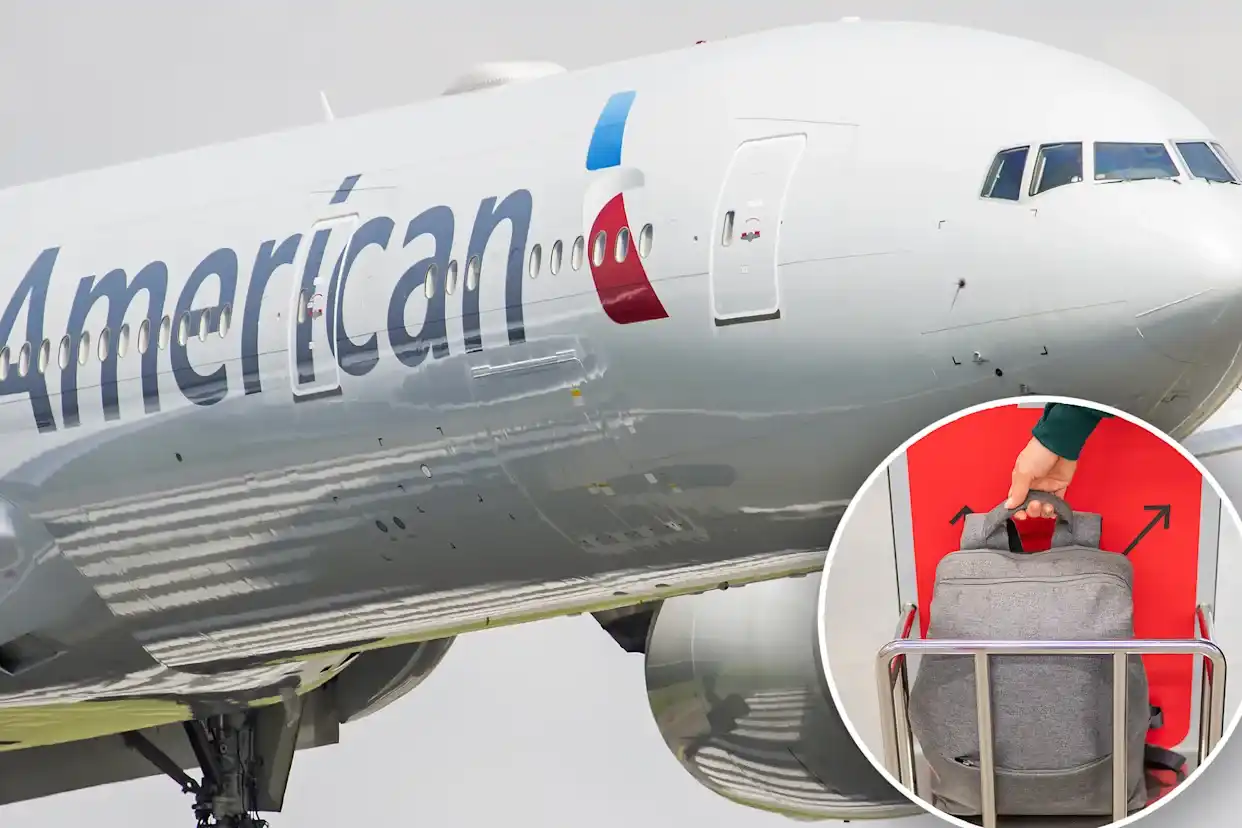
For years, American Airlines has relied on metal bag sizers placed at gate entrances to ensure that passengers’ carry-on luggage complied with maximum dimension requirements. These metal frames have long served as the ultimate test—either your bag fit, or it didn’t, and non-compliance meant a mandatory gate check. The standard dimensions, 22 x 14 x 9 inches, including wheels and handles, remain firm, but how they’re enforced is now evolving.
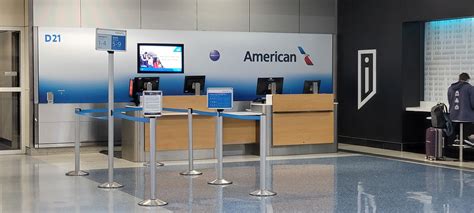
Beginning in early October 2025, American Airlines has begun to phase out the use of physical bag sizers at the gates, a move driven by the desire to streamline and improve the passenger boarding experience. Though the policy has already started to roll out, the transition marks a strategic pivot in gate operations. Now, passengers will no longer be required to test their bags in the metal sizers before boarding. Instead, they must rely on discretionary enforcement by gate agents.
Discretion and Accountability: New Enforcement Dynamics
While the absence of the gate sizers might feel like a free pass to some travelers, that assumption would be misguided. Gate agents still retain the authority to visually assess and flag any bag they suspect exceeds the dimensional limits. If deemed oversized, the passenger will still be required to check the bag before boarding, possibly with the inconvenience of being separated from valuable or fragile belongings.
Importantly, the sizers are not being discarded entirely. They remain accessible in the airport lobby and check-in zones, where travelers can proactively ensure their bags are compliant. This dual-system approach subtly shifts the onus of responsibility onto the traveler while reducing bottlenecks during boarding.
Improving Boarding Efficiency and Customer Experience
The rationale behind the change is rooted in customer experience strategy. By removing the gate sizers, American Airlines aims to expedite the boarding process and minimize moments of friction between passengers and airline staff. Previously, last-minute bag checks at the gate often led to delays and passenger frustration. Now, the gate experience is expected to be smoother, with fewer interruptions and confrontations.
Yet, this shift also raises questions about consistency in enforcement. Without a universal tool like the metal sizer, two agents may assess the same bag differently. For passengers, this introduces a gray area—some may find their bags waved through even if they’re marginally too large, while others may be stopped depending on the judgment of individual staff.
The Precedent and the Passenger’s Perspective
This isn’t uncharted territory. United Airlines implemented a similar change back in 2020, removing sizers from their gates. The outcomes have been mixed. Some passengers welcomed the flexibility and faster boarding times, while others expressed frustration over perceived inconsistencies and unpredictability in bag evaluations.
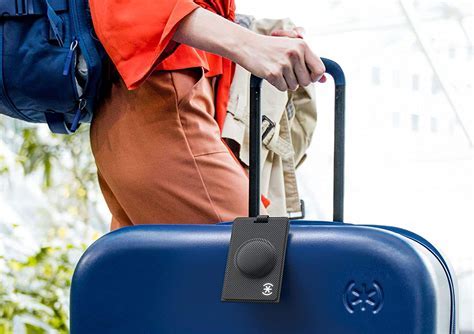
Travelers flying with American Airlines now face the same landscape: less hardware, more subjective decision-making, and the continued importance of packing smart. Given that checked bags often disappear from view once handed off, many frequent flyers recommend the use of tracking devices like Apple AirTags to maintain peace of mind—especially when separated from carry-on bags at the gate.
What Travelers Should Do Now
Despite the removal of mandatory sizer testing at the gate, the carry-on size limit remains unchanged. This means it is still the traveler’s responsibility to ensure their bag meets the required dimensions. Before leaving home, verify the measurements, including handles and wheels. If in doubt, test the bag using sizers still available in check-in areas.
Moreover, it is wise to remain prepared for the possibility of a last-minute gate check. Fragile, essential, or valuable items should remain in a personal item, which American Airlines still allows alongside the carry-on. This category includes items like purses, backpacks, or diaper bags, which must fit under the seat in front.
In this shifting landscape, awareness is key. Travelers who understand the nuances of this new policy will navigate the boarding process with greater ease and confidence. While the removal of the gate sizers may seem like a small procedural change, its implications on boarding efficiency, passenger satisfaction, and operational fluidity are far-reaching.
American Airlines has taken a definitive step toward modernizing its boarding process. Whether the results will deliver the seamless experience it aims to create remains to be seen. For now, travelers should adjust accordingly, staying informed and adaptable in the face of these ongoing transformations.