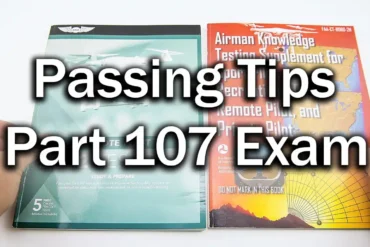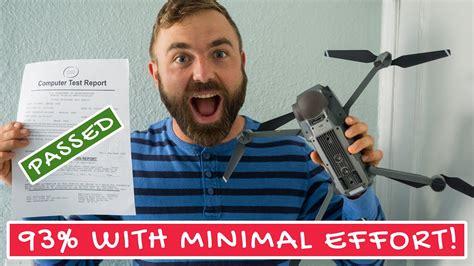
Obtaining the FAA Part 107 Remote Pilot Certificate is a major milestone for anyone aspiring to fly drones commercially in the United States. Recently, we achieved a 93% score on the Part 107 test, and this article details everything we learned throughout the preparation process—from the first study session to post-exam reflections. Our hope is to provide a comprehensive blueprint for others aiming to pass the exam, especially those who may struggle with focus or test anxiety.
Understanding the FAA Part 107 Test: What It Entails
The Part 107 test evaluates a remote pilot’s understanding of airspace classifications, weather effects on drones, emergency procedures, safety protocols, and FAA regulations. It contains 60 multiple-choice questions, and a minimum score of 70% is required to pass. With a two-hour time limit and a $175 exam fee, proper preparation is essential.
Unlike traditional aviation exams, the Part 107 is designed for drone operators, meaning you won’t need to demonstrate flight skills—just strong theoretical knowledge. Our journey to a 93% score was built on structured learning, deliberate practice, and optimizing free study resources.
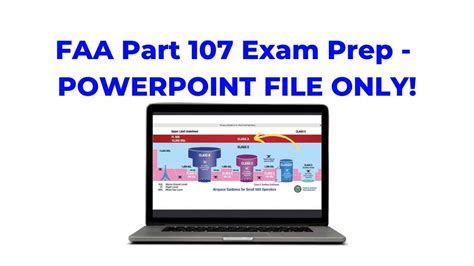
Day 0: Booking the Exam Without Studying — A Tactical Move
Ten days before test day, we scheduled the exam with zero prior preparation. While it might seem counterintuitive, this strategy created a time constraint that forced discipline and made procrastination nearly impossible. The deadline became our motivation.
Within hours, we compiled a personalized study plan, centered around three core pillars: video-based instruction, targeted practice testing, and active note-taking. Here’s how each component played a role.
Video Learning: The Foundation of Conceptual Clarity
We began with a powerful YouTube prep video that serves as a comprehensive visual introduction to Part 107 content: Matt’s Part 107 Guide. Spanning over two hours, the video covers:
- Airspace classifications (B, C, D, E, G)
- UAS loading and performance
- Weather reports (METARs, TAFs, fog, cloud types)
- Sectional charts and navigation aids
As we watched, we took detailed notes, drew out sectional charts by hand, and paused frequently to digest more complex topics. Repetition and visual learning were key to mastering these areas.
Practice Testing with King Schools: Repetition and Pattern Recognition
After absorbing the fundamentals, we moved to King Schools’ free FAA practice site (link) to start short-form quizzes. For each incorrect answer, we wrote down the correct explanation. This handwritten process built memory and forced us to engage with the reasoning.
By the fifth day, we transitioned to full-length practice tests on the same platform. Scores initially landed in the 70–80% range. Each test served to reveal knowledge gaps, helping refine our weak spots with laser focus.
Supplementing with Mr. Migs and Katia’s Buzz: Expert-Level Clarifications
To go deeper, we added Mr. Migs’ Classroom to our arsenal: a YouTube playlist focusing on sectional charts, weather, FAA acronyms, and real test walk-throughs. His teaching style demystifies intimidating topics in under 10 minutes, and was especially helpful in understanding:
- TAFs and METAR decoding
- UAS flight restrictions
- Reading VFR sectional charts
The night before the test, we reviewed Katia’s Buzz video (link), which efficiently ties all major concepts into a final review.
Test Day Strategy: Focused, Calm, and Thorough
We woke early, took one more practice test, then headed to the test center. There, we employed a three-pass method:
- First pass: Answer all the questions we felt 100% confident about.
- Second pass: Return to flagged questions with more time and focus.
- Final review: Go through all answers again to double-check.
Ignoring the timer was crucial. Many test-takers report that watching the clock adds unnecessary stress. We finished with time to spare, walked out stunned at the 93% score, and more importantly, felt we had truly understood the material, not just memorized it.
Lessons From the Community: Tools, Tactics, and Confidence Boosts
Following our success, we engaged deeply with the r/drones community, whose insights mirrored and enhanced our approach. Test anxiety and preparation challenges are common, and their advice was golden:
- Mark and return: If a question stumps you, flag it and move on. Reduces stress and maintains momentum.
- Bring only essentials: Testing centers require ID and may allow a basic calculator. Leave phones, hats, and extra items in the car.
- Don’t fear time limits: Most people finish with time to spare. Stress over time can cause poor decision-making.
A standout recommendation was to bring a small magnifying glass to read sectional charts more clearly. Though optional, several test-takers said it improved map visibility dramatically.
Is Paid Prep Necessary? The Debate on Free vs. Structured Resources
Our success relied exclusively on free resources, but community discussions revealed varying experiences. Some reported acing the exam using just a few videos. Others, despite being intelligent learners, found themselves overwhelmed until enrolling in structured courses like Pilot Institute.
Key arguments in favor of paid prep:
- Offers a clear roadmap and accountability
- Includes interactive quizzes and instructor support
- Provides structured feedback and pacing for long-term learners
Key arguments for sticking with free resources:
- Content is readily available and high quality
- Flexibility to study at your own pace
- Sufficient for concept mastery if you’re disciplined
In the end, learning style matters. If you’re a visual or independent learner, YouTube and King Schools might be all you need. But if you thrive on structure, a paid course may accelerate your path.
Exam Evolution: Remote ID and Current Test Focus
Recent test-takers highlighted a noticeable shift in content emphasis. According to reports from 2025, Remote ID and safety procedures now play a more prominent role than weather or sectional charts.
Specifically, newer questions focus on:
- ADS-B and Remote ID requirements
- Drone registration and identification
- Safe flying protocols near airports and critical infrastructure
Some obscure questions—like tilt effects on payload or specific wildlife refuge rules—do appear but are rare. However, Remote ID questions showed up 5–6 times, reinforcing the importance of staying current with FAA updates.
After the Exam: Recertification and the Road Ahead
One of the most reassuring discoveries was how simple the recertification process is. It’s online-only, requires a 100% score, but allows you to reattempt missed questions until you pass. Most pilots complete it in under 45 minutes.
No need to revisit a test center or pay another $175. Once certified, staying current becomes a painless annual habit.
Final Thoughts: Our Blueprint to Part 107 Success
Earning our Part 107 certificate wasn’t easy, but it also wasn’t out of reach. We believe that anyone, even with test anxiety or no prior drone experience, can succeed using the following strategy:
- Schedule your test in advance to force a study deadline
- Use high-quality YouTube resources like Matt’s guide, Mr. Migs, and Katia’s Buzz
- Take structured notes and write out every missed answer
- Practice consistently on King Schools’ FAA exam simulator
- Watch updated videos and reviews within 24 hours of your test
- Stay calm and strategic during the exam
Whether you’re a seasoned drone enthusiast or just beginning your aerial journey, the Part 107 certification is achievable without paid courses, provided you commit to learning, adapt to your weaknesses, and study smart.
The sky, quite literally, is the limit.