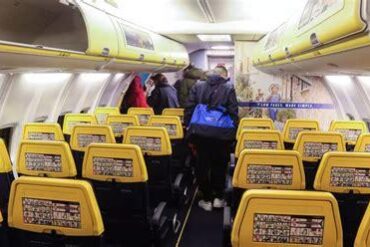
Flying already demands patience, planning, and a tolerance for the unexpected. Between security lines, boarding procedures, limited personal space, and the constant hum of engines, the cabin environment is not as forgiving as many travelers assume. What you choose to pack in your carry-on luggage can quietly determine whether your journey feels smooth or stressful, efficient or chaotic. The wrong items don’t just take up space—they can become liabilities, sources of damage, social friction, or unnecessary anxiety at 35,000 feet.
Many travelers focus only on what is allowed through airport security. That mindset misses a crucial distinction. Just because an item is permitted in the cabin does not mean it belongs there. Carry-on luggage should be treated as prime real estate: every item earns its place by being durable, compact, and genuinely useful during the flight itself. Anything that is fragile, bulky, disruptive, or risky deserves a second thought.
Understanding what not to store in your carry-on is as important as knowing what to bring. The following sections break down five categories of items that routinely cause problems for travelers—not because they are forbidden, but because they are poorly suited for the cabin environment. Avoiding these mistakes protects your belongings, preserves your comfort, and makes you a better co-passenger in an already crowded sky.
Over-Ear Headphones Waste Space and Invite Damage
Modern travel culture treats personal audio as essential. Music, podcasts, audiobooks, and in-flight entertainment help drown out engine noise and reclaim a sense of personal space. Yet packing over-ear headphones in a carry-on is one of the most common and least efficient mistakes travelers make.
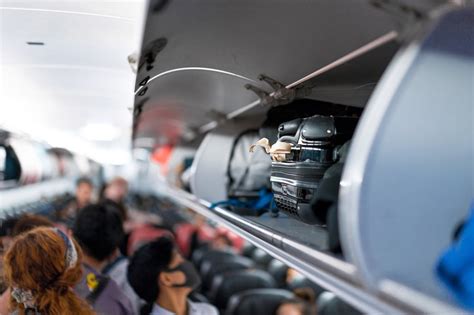
The first issue is physical vulnerability. Over-ear headphones are structurally fragile, relying on hinges, padded cups, and exposed wiring. Overhead bins are not gentle environments. Bags are shoved, compressed, rotated, and forced into place by hurried passengers competing for space. Even a hard-shell carry-on offers limited protection when lateral pressure bends headphone frames or snaps delicate joints.
Space efficiency is the second problem. Over-ear headphones consume an outsized volume relative to their function. Cabin luggage is designed for essentials, not luxuries with a large footprint. A slim pair of wired earphones or compact wireless earbuds delivers comparable audio quality for in-flight use while occupying a fraction of the space. The difference becomes especially noticeable when you need room for chargers, travel documents, medications, or a change of clothing.
There is also the issue of accessibility. Removing bulky headphones from a tightly packed bag mid-flight often requires disturbing seatmates or rummaging awkwardly under the seat. Smaller audio devices are easier to retrieve discreetly, keeping your in-flight routine calm and efficient.
Unless noise-canceling performance is mission-critical for your work or health, over-ear headphones are better packed in checked luggage or replaced entirely with compact alternatives better suited to the realities of air travel.
Hair Styling Appliances Rarely Earn Their Spot
Hair dryers, straighteners, curling irons, and multi-tool stylers are staples of daily routines at home, which makes it tempting to carry them everywhere. In the confined logic of air travel, however, these hair appliances rarely justify the space they occupy in a carry-on.
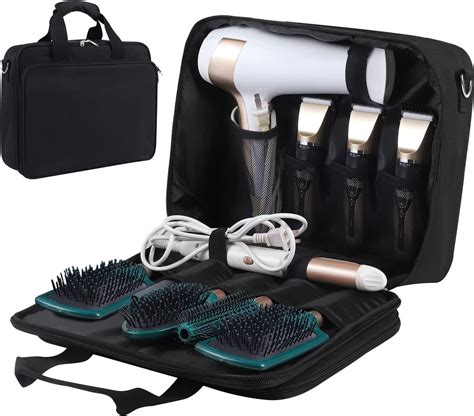
The most obvious concern is bulk. Styling tools are dense, rigid, and poorly shaped for flexible packing. Their cords tangle easily, and protective casings add even more volume. When cabin luggage has strict size limits, sacrificing space for an item used briefly—or not at all—on arrival is inefficient.
Another overlooked issue is redundancy. Most hotels, resorts, and even modest accommodations provide hair dryers as standard amenities. While the quality may not match your personal device, the functional difference is rarely significant enough to justify hauling extra equipment through airports. For short trips, work travel, or casual vacations, adaptability outweighs perfection.
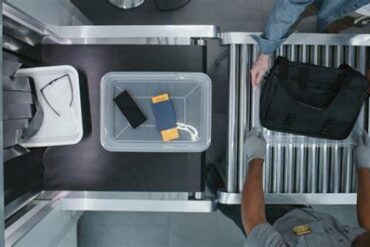
Security procedures introduce additional friction. Hair appliances often trigger secondary screening because of their internal components and heating elements. Travelers may be asked to remove them from bags during inspection, slowing the line and increasing stress. In some cases, certain appliances face restrictions depending on battery type or heating mechanism, creating avoidable complications.
There is also the electrical consideration. Voltage differences abroad can damage appliances not designed for international use, rendering them useless or unsafe. Packing them in carry-on luggage increases the likelihood they will be used without proper converters.
Unless a specific event demands professional-grade styling tools, hair appliances belong in checked baggage—or better yet, left at home entirely.
Personal Electronics Are More Fragile Than They Seem
Laptops, tablets, e-readers, and secondary devices often feel indispensable. They enable productivity, entertainment, and connection. Yet electronics in carry-on luggage come with risks that extend beyond inconvenience.
Physical damage is the most visible threat. Overhead bins exert uneven pressure, especially when other passengers force larger bags into limited space. Thin devices like tablets are particularly susceptible to bending, cracked screens, and internal component failure. Even padded sleeves offer limited protection against sustained compression.
Beyond impact damage, there is the battery risk. Most modern electronics rely on lithium-ion batteries, which can swell, leak, or overheat if compromised. While rare, battery-related incidents in flight are taken seriously due to the confined cabin environment and the difficulty of suppressing such fires at altitude. Devices showing signs of swelling, overheating, or casing damage should never be brought aboard.
Security and theft are additional concerns. Electronics are high-value items that attract attention, especially during boarding, deplaning, or when bags are briefly unattended. Retrieving them repeatedly during the flight increases exposure. Concealment helps, but frequent handling undermines that protection.
For essential devices, minimalism is key. Bring only what you truly need during the flight itself, keep devices powered down when not in use, and store them in well-padded sections of your bag that won’t bear weight from other luggage.
Valuable Jewelry Creates Unnecessary Risk
Travel often inspires people to look their best, but valuable jewelry does not belong in carry-on luggage. Sentimental necklaces, luxury watches, heirloom rings, and expensive bracelets introduce risk disproportionate to their utility.
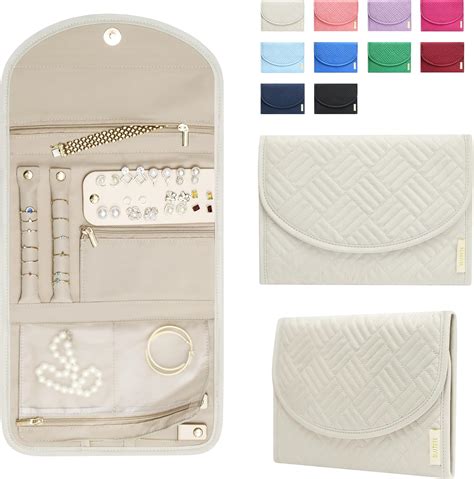
Cabin environments are chaotic. Items are removed, repacked, and shifted repeatedly. Small valuables can fall unnoticed into seat crevices, become tangled in fabric, or slip out during hurried security checks. Once lost, recovery is unlikely.
There is also the issue of target visibility. Jewelry signals value. Even discreet pieces can draw unwanted attention during boarding or while settling into a seat. While most travelers are honest, airports remain high-traffic environments where opportunistic theft occurs.
Physical damage is another factor. Turbulence, pressure, and constant movement can bend clasps, loosen stones, or scratch delicate surfaces. Repairs are costly, and damage often goes unnoticed until the trip is over.
For travel, substitute pieces are the smarter option. Affordable, plated, or minimalist jewelry provides aesthetic flexibility without emotional or financial risk. If transporting something valuable is unavoidable, it should remain on your person in a concealed pouch rather than inside carry-on luggage.
Strong-Smelling Foods Turn You Into the Villain
Airplanes are shared sensory environments. Sound, movement, and especially smell are impossible to isolate. Few items disrupt cabin harmony faster than pungent food stored in carry-on luggage.

While regulations allow solid foods like hard cheese, cured meats, and certain snacks, legality does not equal courtesy. Cabin temperatures fluctuate, overhead bins trap heat, and sealed foods intensify in odor over time. What smelled mild at the airport can become overpowering mid-flight.
Cheeses such as gorgonzola, raclette, or aged cheddar release strong aromas that linger in enclosed spaces. Unlike sounds, smells cannot be tuned out with headphones. Fellow passengers have no escape, and social tension builds quickly.
Beyond discomfort, strong odors can trigger nausea or headaches, particularly during turbulence. Flight crews are acutely aware of this issue and may intervene if a smell becomes disruptive.
If food is intended as a souvenir, pack it in checked luggage with proper insulation. If it’s for personal consumption, choose low-odor options that respect the shared nature of the cabin.
Why Smart Carry-On Packing Matters More Than Ever
Modern air travel compresses hundreds of people into limited space for extended periods. Carry-on luggage is no longer just a convenience—it is an extension of personal responsibility. Poor packing decisions ripple outward, affecting comfort, safety, and social dynamics.
The most effective carry-on contains items that are durable, compact, essential, and considerate. Everything else introduces friction. By avoiding bulky accessories, fragile electronics, unnecessary valuables, and disruptive items, travelers gain more than space. They gain peace of mind, efficiency, and a smoother relationship with everyone sharing the flight.
Thoughtful packing is invisible when done right, but its benefits are felt throughout the journey.