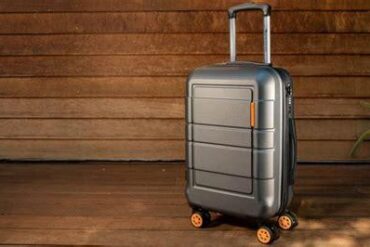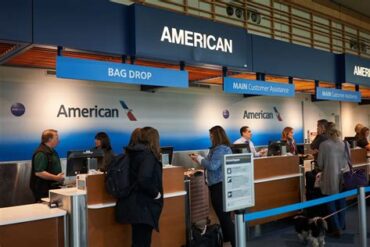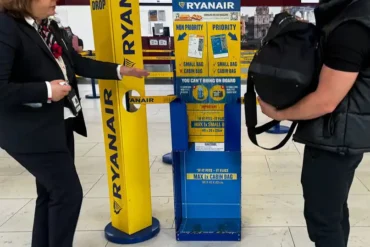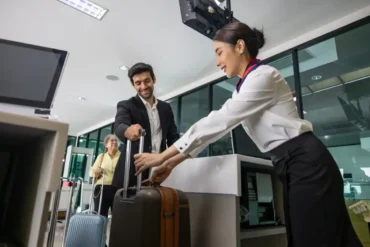
Flying several times a week reshapes the way people think about preparation. For flight attendants, a carry-on bag is not a casual convenience—it is a carefully curated survival kit built through experience, routine disruption, and countless unexpected moments at 35,000 feet. Unlike leisure travelers who pack based on destination mood or outfit changes, cabin crew pack for function, resilience, compliance, and comfort, often within the same compact space.
Every flight brings unknown variables: delayed departures, aircraft swaps, crew reassignment, weather diversions, medical situations, or layovers that appear without warning. Over time, flight attendants refine their carry-on contents until every item earns its place. The result is a bag that looks ordinary from the outside but holds layers of professional readiness inside.
What follows is a deep look into the things flight attendants always keep in their carry-on bags, not as a checklist, but as a system—one built to support safety, presentation, health, and personal stability in an industry where predictability is rare.
By the third or fourth year on the job, most crew members can pack for a ten-day trip in minutes. That efficiency is not accidental. It is learned through missed connections, spilled coffee, dry cabin air, sudden overnights, and the unspoken understanding that once the aircraft door closes, you must already have everything you need.
The Non-Negotiables Every Flight Attendant Carries
Before comfort or convenience enters the equation, there are items that are legally, operationally, and professionally mandatory. These are never optional, never left behind, and never checked into luggage.
Flight attendants must carry their crew license and airside identification at all times, along with a passport and any required visas, even on flights where border crossings are not planned. Schedule changes can reroute an aircraft across international lines without warning, and crew must be compliant instantly. Medical certificates, vaccination records, and health insurance documentation are often required as well, depending on airline policy and operating region.
Equally critical are crew manuals, which may be digital or paper-based but are always accessible. These include safety and emergency procedures, aircraft-specific information, first aid protocols, and service standards. In high-pressure moments, memory is not enough—reference accuracy saves lives. Many crew also carry a Quick Reference Handbook and standardized announcement cards to ensure regulatory compliance across multiple aircraft types.
A reliable wristwatch is another essential that goes unnoticed by passengers. Timekeeping is central to aviation operations, from medical assessments to incident reporting and time-zone management. Watches remain indispensable even in a digital cockpit.
Most flight attendants also carry a small personal torch, used discreetly during cabin checks or power disruptions, and a CPR mask, because emergencies rarely announce themselves politely.
By the time boarding begins, these essentials are already accounted for, secured, and mentally checked off—freeing attention for the cabin and its passengers.
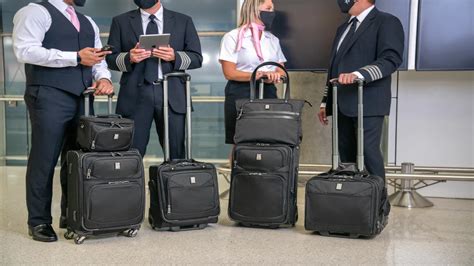
Uniform Precision and Professional Presentation on the Go
Flight attendants are the visible extension of an airline’s brand, and presentation standards are enforced with remarkable precision. A carry-on bag doubles as a mobile wardrobe safeguard, ensuring that even after turbulence, service spills, or long duty hours, appearance remains immaculate.
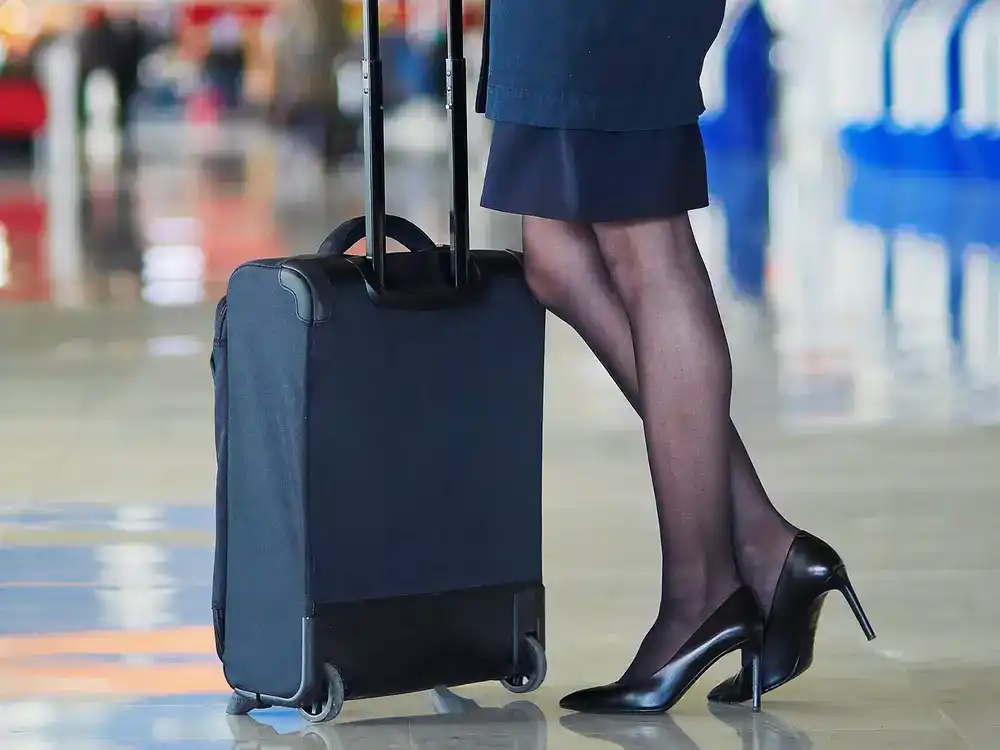
Most crew carry an extra uniform shirt, folded carefully to avoid creasing, because spills happen quickly and replacement options mid-flight do not exist. Spare hosiery is standard, particularly for long-haul operations where minor snags can escalate into visible uniform issues. Female crew typically carry two pairs of shoes—presentation heels for boarding and deplaning, and flats for in-flight service, safety, and endurance.
Accessories required by uniform regulations, such as waistcoats, aprons, or scarves, are also packed deliberately. These items are not decorative; they signal role transitions, service phases, and brand consistency.
What appears effortless to passengers is the result of preparation layered into the carry-on. The bag ensures that even after a 12-hour duty day, professional image does not degrade.
Grooming Tools That Keep Cabin Crew Flight-Ready
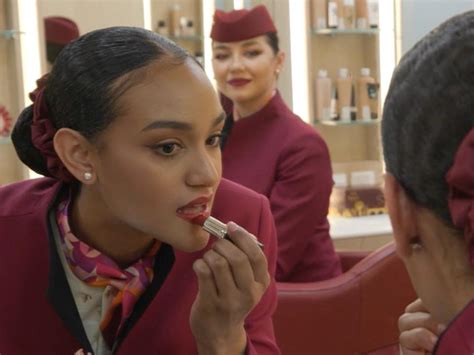
The aircraft cabin is dry, pressurized, and unforgiving to skin, hair, and fabric. Flight attendants counter this environment with compact grooming tools that allow them to reset quickly and discreetly.
A company-approved lipstick, often carried in duplicate, is one of the most guarded items in a crew bag. It aligns with uniform color palettes and instantly restores a polished appearance. Alongside it, a powder compact manages shine under cabin lighting, while facial mist refreshes dehydrated skin without disturbing makeup.
Hair maintenance tools—a comb, extra pins, and travel-size hairspray—are non-negotiable. Cabin movement, humidity changes, and repeated headset use can unravel even the most disciplined hairstyles. A shoe shiner or polishing cloth keeps footwear presentation-ready, particularly on multi-sector days.
Tissues, wet wipes, and fragrance are carried sparingly but intentionally. The goal is never excess—it is control, allowing crew to maintain composure and consistency regardless of circumstances.
Tools That Make the Job Function Smoothly
Beyond appearance, flight attendants rely on small practical tools that quietly keep cabin service organized. One of the most common items found in crew bags is hotel notepads and pens, collected during layovers and repurposed inflight.
These are invaluable when recording passenger requests, noting special meals, or assisting travelers filling out immigration forms. Passengers ask for pens more often than expected, and having them readily available keeps service flowing without disruption.
A mini sewing kit lives in many carry-ons, not for leisure crafting but for quick uniform repairs. Buttons loosen, hems pull, and time rarely allows for formal fixes. Safety pins, though unglamorous, are often the fastest solution between boarding and pushback.
Eating utensils are another quiet essential. Not all airlines provide crew meals, and airport food frequently comes without cutlery. A simple reusable set ensures that nourishment remains practical rather than improvised.
Personal Food and Hydration Choices Matter More Than You Think
Flying disrupts eating patterns as much as sleep cycles. Many flight attendants prefer to bring homemade meals, not out of preference alone, but necessity. Long duty days, short turnarounds, and limited onboard options make nutrition a personal responsibility.
A refillable water bottle is indispensable in the dehydrating cabin environment. Crew often carry their preferred teas, coffee sachets, or electrolyte mixes to maintain energy and hydration without relying on unpredictable availability.
These food choices are not indulgent—they are strategic. Sustained alertness, mood stability, and physical resilience depend on them, particularly during long-haul or multi-sector operations.
Comfort Items That Counter the Cabin Environment
The cabin’s low humidity affects skin, eyes, nasal passages, and overall comfort. Over time, flight attendants build their own personal amenity kits, tailored to their specific needs.
Lip balm, nasal spray, eye drops, and facial moisturizer are common foundations. Dental care items—toothbrush, toothpaste, and mints—restore freshness between service cycles and before rest periods.
On long-haul flights, crew rest becomes essential to safety. While airlines provide bedding in rest bunks, many flight attendants enhance comfort with travel-size pillows or compact duvets, rolled tightly into their carry-on. Night flights can be surprisingly cold, leading some crew to pack miniature hot water bottles for warmth.
These items may seem personal, but they support alertness, recovery, and overall job performance in environments designed primarily for passengers, not crew.
Creating a Sense of Home Away From Home
Frequent layovers blur the distinction between destinations. To counter the emotional fatigue of constant movement, many flight attendants carry small comforts that create familiarity wherever they land.
Loose, comfortable clothing for layovers allows the body to reset after hours in uniform. Some crew bring room sprays or scented products, subtly transforming anonymous hotel rooms into something more personal. Music playlists, downloaded shows, or favorite podcasts provide continuity amid changing surroundings.
Snacks from home, instant soups, or preferred hot drink sachets offer emotional grounding as much as nourishment. These items turn layovers from survival periods into moments of recovery.

Duty-Specific Extras Hidden in the Carry-On
A flight attendant’s role can expand beyond standard service depending on training and airline structure. Some crew are qualified sommeliers or mixologists, carrying lapel pins, reference guides, or specialized tools that support elevated onboard experiences.
Others serve as charity ambassadors, carrying donation materials, informational cards, and collection bags. These items are handled with care, reflecting both responsibility and trust.
In-flight retail duties introduce another layer. Crew assigned to sales often carry cash floats, card readers, retail forms, and sealable bags, along with calculators and fragrance samples. These items transform the carry-on into a mobile point-of-sale system, ready at a moment’s notice.
Private and business aviation crew often pack additional service tools such as utensils, foil, ziplock bags, and squeeze bottles, compensating for variable aircraft equipment and catering standards.
Preparing for the Unexpected Layover
A flight attendant’s schedule can change mid-duty, turning a day trip into an overnight without warning. As a result, most carry-ons include a spare change of clothes and lightweight shoes, compact enough to fit but sufficient to remain functional.
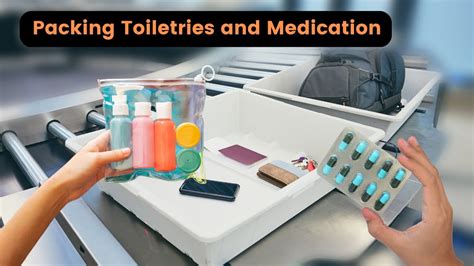
Chargers for phones, tablets, or laptops are essential, as is a power bank when airport access is limited. Travel-size toiletries ensure the ability to refresh without checked baggage access.
A mini first-aid kit is another constant: pain relievers, personal medication, bandages, antiseptic wipes, and hand sanitizer. Burn gel sachets are particularly valuable in galleys, where hot surfaces and tight spaces increase risk. Anti-diarrheal medication and electrolyte packets can be the difference between managing a duty day and calling in sick far from home.
Why Flight Attendants Rarely Unpack
Efficiency defines the lifestyle. Many flight attendants maintain identical item sets across their carry-on, crew bag, and checked luggage. After a trip, clothes are washed and replaced immediately, toiletries are topped up, and everything returns to its designated place.
This system allows crew on standby duty to be ready within minutes. Destination uncertainty becomes irrelevant because the carry-on already covers every scenario. Over time, packing becomes muscle memory, refined but rarely altered.
The Carry-On as a Silent Safety Net
To passengers, a flight attendant’s carry-on may look unremarkable. To the crew member, it is a carefully balanced ecosystem—one that supports safety, professionalism, health, and emotional resilience.
Every item inside serves a purpose shaped by experience. Regulations dictate some contents, uniform standards dictate others, and personal comfort fills the remaining space. Together, they create readiness for both routine service and extraordinary moments.
If something unexpected happens onboard or during a layover, chances are a flight attendant already has a solution within arm’s reach. That quiet preparedness is not accidental. It is the result of thousands of hours in the air and the understanding that in aviation, being ready is not optional—it is the job.