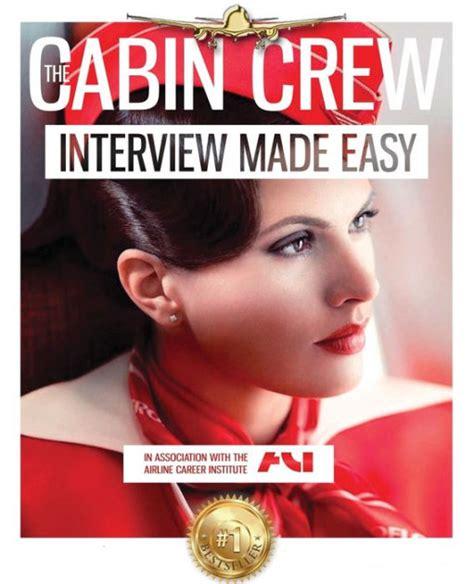
Understanding the Scope of Flight Attendant Interviews
Flight attendant interviews are structured, competitive, and multifaceted. Airlines use them not only to evaluate a candidate’s experience but to gauge their personality, adaptability, cultural awareness, and customer service acumen. As one of the most public-facing roles in aviation, flight attendants serve as the face of the airline, making the interview process especially rigorous.
Candidates often face a combination of behavioral, situational, and experience-based questions, each crafted to uncover whether the applicant aligns with the airline’s values, safety standards, and service expectations.
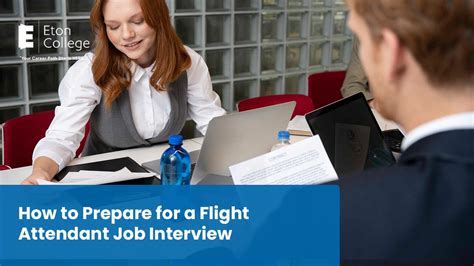
Key Categories of Flight Attendant Interview Questions
Interview questions typically fall into three major categories: general personality and motivation questions, background and experience inquiries, and scenario-based or in-depth problem-solving assessments. Airlines use this structure to create a well-rounded profile of the applicant.
General Interview Questions and Intent
These questions establish the baseline for a candidate’s character and motivations:
-
“Describe yourself in three words” tests self-awareness.
-
“What makes someone a good flight attendant?” evaluates comprehension of the role.
-
“Why are you interested in this job?” seeks to confirm authentic motivation.
-
“Do you know how many aircraft are in our fleet?” explores research preparedness.
Each response must reflect a blend of professionalism and enthusiasm, aligning personal values with the airline’s mission.
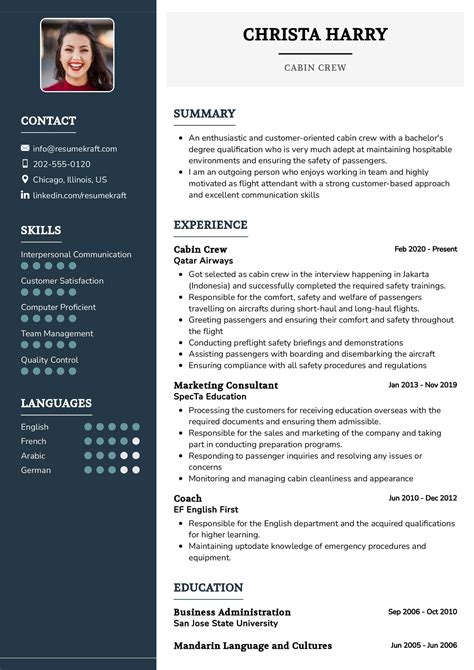
Background and Work History Questions
Understanding an applicant’s work history allows recruiters to determine transferable skills and assess cultural fit. Airlines may ask:
-
“Do you have previous airline experience?”
-
“Tell us about your customer service background.”
-
“Have you earned any certifications relevant to aviation or hospitality?”
Each of these invites candidates to link past professional milestones to future responsibilities in the cabin crew role. Recruiters especially value stories that show adaptability under pressure, service excellence, and consistent professionalism.

In-Depth and Scenario-Based Interview Questions
These high-stakes questions require candidates to demonstrate problem-solving, emotional intelligence, and safety awareness. They often draw on real-life examples to simulate the high-pressure situations faced onboard:
-
“Describe a time you had to calm an irate passenger.”
-
“What would you do if a colleague acted unethically during a flight?”
-
“How would you handle a language barrier in an emergency?”
Success in answering these lies in applying the STAR method — Situation, Task, Action, Result — to clearly convey competency, leadership, and integrity.
Sample Answer Strategies: Demonstrating Key Attributes
Let’s analyze how a well-structured answer communicates professional readiness:
Question: Describe a time when you had to resolve a conflict between two customers.
Answer: “While working at a luxury hotel, two guests got into an argument over shared lounge seating. I calmly listened to both parties, then offered one group exclusive access to a reserved section of the bar as a gesture of goodwill. They appreciated the personalized attention, and both parties left satisfied. This approach prevented escalation and preserved our brand’s reputation.”
This example shows emotional control, negotiation skills, and brand-conscious decision-making — all essential for a flight attendant.
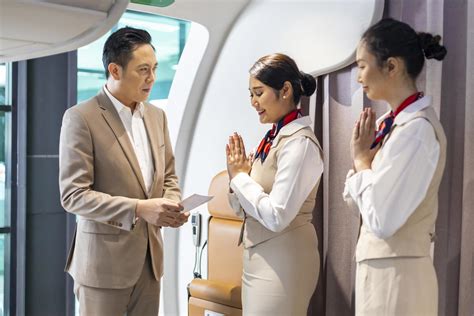
Ethical Decision-Making and Authority Challenges
Airlines look closely at how candidates respond to ethical dilemmas. A question like:
- “What would you do if a pilot asked you to do something unauthorized?”
requires a direct, confident answer that affirms the candidate’s understanding of aviation regulations and their responsibility to safety over hierarchy. A strong response might include the phrase: “I would respectfully decline and escalate the matter according to airline protocol.”
This indicates professionalism, procedural knowledge, and integrity.
Medical Emergencies and Emotional Intelligence
One of the most critical areas is responding to inflight health crises. Airlines may ask:
- “How would you react if a passenger demanded an emergency landing due to a health scare?”
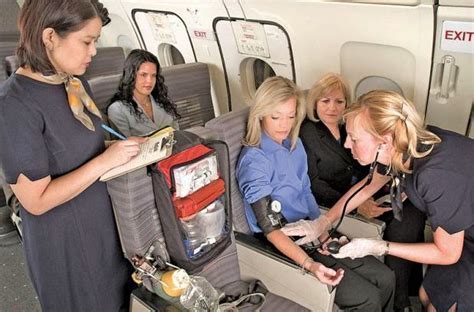
The candidate must strike a balance between compassion and operational protocol. A model response would reference collaboration with the flight deck, use of the EMK (Emergency Medical Kit), and consulting any medical professionals onboard.
Compassion and Empathy in Customer Service
Demonstrating human warmth is as important as operational competence. Consider the prompt:
- “Tell us about a time you comforted an anxious passenger.”
An ideal response showcases active listening, reassurance, and tailored communication. For instance:
“A young passenger traveling alone for the first time was visibly anxious. I sat with her during the safety demonstration, offered her headphones and snacks, and checked on her regularly. By the end of the flight, she was smiling and even asked if I’d be on her return flight.”
This type of answer proves a candidate’s potential to create memorable, positive experiences.
How to Approach Mistakes and Growth
One of the most telling questions is:
- “Describe a time you made a mistake at work. How did you handle it?”
Airlines look for self-awareness and accountability. A strong response admits fault, shows corrective action, and outlines preventative changes. For example:
“I once miscommunicated a special meal request while assisting check-in. I informed the passenger mid-flight and offered them alternate meals from first class, along with a handwritten apology. I later proposed a checklist system at my former job to prevent such errors going forward.”
Demonstrating Passion for Aviation and Service
When asked:
- “Why do you want to become a flight attendant?”
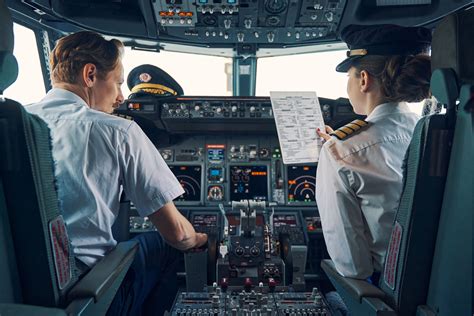
a compelling answer goes beyond surface-level interest in travel. Airlines seek candidates whose personal narratives connect emotionally to the role. Mentioning experiences from childhood, admiration for a specific airline, or a transformative flight can all help to cement that passion.
Questions You Should Ask in Return
When interviewers turn the table and ask, “Do you have any questions for us?”, your response should reflect a desire to contribute meaningfully to the organization:
-
“What does the airline value most in its cabin crew?”
-
“How does your team measure performance on flights?”
-
“What kind of mentorship or ongoing training is available to crew members?”
These questions show that you are thinking long-term and value professional development.
Final Thoughts on Acing the Interview
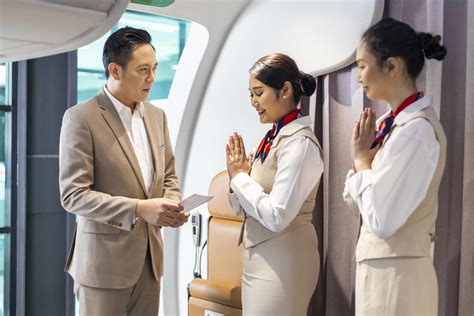
To stand out in a competitive cabin crew recruitment process, your answers must reflect empathy, quick thinking, teamwork, and procedural understanding. The best candidates balance warmth with assertiveness, customer focus with regulation adherence, and confidence with humility. Whether you’re navigating ethical dilemmas or comforting nervous passengers, recruiters want to see that you represent the airline’s values every time you speak.
FAQ: Common Questions About Flight Attendant Interviews
How should I prepare for a flight attendant interview?
Preparation should include researching the airline’s history, fleet, destinations, and values. Practice common interview questions using the STAR method. Dress professionally and arrive early. Read recent news about the airline to ask relevant questions during the interview.
Do I need prior experience to become a flight attendant?
Not always. While prior experience in hospitality or customer service is helpful, many airlines train new hires from scratch. What matters more is your attitude, communication skills, and ability to work in high-pressure environments.
What are the biggest mistakes to avoid during the interview?
Avoid vague answers, overconfidence, and negativity about past employers. Failing to research the airline or not preparing examples for behavioral questions can also hurt your chances. Always remain calm, polite, and enthusiastic.