Landing a job with an airline is a major milestone in any pilot’s career. Yet, despite your qualifications and experience, the aviation interview can still feel like a daunting hurdle. In this guide, we provide you with the essential strategies, insights, and tips to help you navigate the interview process with confidence and increase your chances of securing that coveted job. Whether you’re preparing for your first interview or have been through the process before, this comprehensive guide will equip you with the knowledge you need to succeed.
1. Understand the Importance of the Aviation Interview
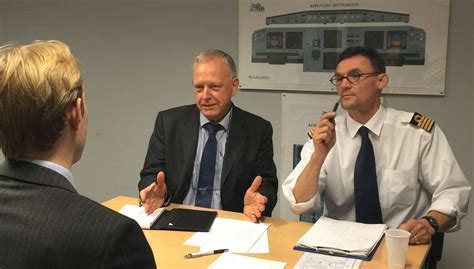
An aviation interview is not just about demonstrating your technical expertise; it’s about showcasing your personality, professionalism, and ability to work well with others. Airline interviewers are keen to find pilots who are not only skilled but also easy to work with. Your interview will likely consist of several stages, including a technical assessment, behavioral questions, and a one-on-one discussion with senior pilots or HR representatives. Each stage is designed to assess different aspects of your potential as an airline pilot.
The Technical Assessment
The technical portion of the interview will test your aviation knowledge and practical skills. Interviewers will expect you to be well-versed in areas such as aircraft systems, flight operations, navigation, regulations, and emergency procedures. Study topics like Jeppesen charts, high-altitude aerodynamics, and swept-wing aerodynamics in depth. AviationInterviews.com and other resources can be invaluable for preparing for these questions.
The Behavioral Assessment
Behavioral questions such as ‘Tell me about a time when you faced a difficult situation’ or ‘How did you handle a disagreement with a colleague?’ are often part of the interview. These questions help interviewers assess your soft skills, like teamwork, conflict resolution, and emotional intelligence. The TMAAT (Tell Me About a Time) format is commonly used in these scenarios.
Company Fit
Beyond technical expertise, your ability to represent the airline’s culture and values is crucial. Airlines want pilots who align with their mission and can serve as ambassadors of the brand. The interviewers will be assessing whether they can see you as part of their team and if you’re someone they’d feel comfortable working with during long hours in a confined space.
2. Preparation: Know the Basics
The key to a successful aviation interview lies in thorough preparation. Here’s a breakdown of the fundamental steps you should take to prepare yourself:
Research the Airline
Before stepping into any interview, it’s essential to understand the airline you are interviewing with. Familiarize yourself with the company’s values, mission, and any recent news related to its operations. Understanding their fleet, routes, and corporate culture will help you demonstrate your interest in the airline and show that you’re serious about the role.
Review Your Resume and Experience
Be prepared to discuss your qualifications in detail. You will likely be asked about your flying experience, training, and how it aligns with the airline’s needs. Familiarize yourself with every detail on your resume, as interviewers may ask you to elaborate on specific experiences.
Practice Behavioral Questions
As mentioned earlier, aviation interviews often include behavioral questions. Prepare for these by practicing responses using the STAR method (Situation, Task, Action, and Result). This framework will help you structure your answers in a way that highlights your strengths and problem-solving abilities.
Technical Review
Study up on key technical topics such as aerodynamics, flight systems, regulations, and emergency procedures. In particular, focus on areas where you might have gaps in knowledge. You may also be asked to demonstrate your ability to analyze complex aviation scenarios, so ensure that your knowledge is as current as possible.
3. What to Wear: Make a Lasting First Impression
Dressing appropriately for an aviation interview is crucial. Your appearance speaks volumes about your professionalism and attention to detail. It’s advisable to wear a formal suit, preferably in black, navy, or gray, along with a simple tie. Avoid flashy or distracting accessories.
Key Points to Remember About Dress Code
- Suits: Opt for a clean, modern suit. Charcoal or dark navy suits are considered ideal for interviews.
- Tie: A simple, classic tie is best. Some candidates choose to wear a tie in the airline’s colors as a subtle gesture of alignment with the company.
- Grooming: Make sure your hair is neat and well-groomed, and be sure to shave or trim facial hair. A professional appearance can be the deciding factor in many interviews.
Personal Grooming
Ensure that your grooming is impeccable. Nail cleanliness and a fresh appearance go a long way in making a positive impression.
4. Be Engaging and Authentic
During your interview, it’s essential to show that you are a well-rounded individual. Airlines want pilots who are not just good at their job but are also personable and approachable. Don’t be afraid to show some personality.
Engage With the Interviewers
Treat the interview as an opportunity to build rapport with the interviewers. Smile, maintain good eye contact, and be personable. Being polite and engaging with everyone in the room, from the receptionist to the HR manager, is critical. They are all watching and assessing how you interact with others.
Stay Authentic
While enthusiasm is key, it’s important to remain authentic. Share stories from your personal life that highlight qualities like commitment, perseverance, and passion. Don’t just talk about flying; mention hobbies, volunteer work, or anything that reflects your well-rounded character. Employers value candidates who are interesting, reliable, and can contribute positively to the company culture.
5. Common Interview Pitfalls to Avoid
Even experienced pilots can fall into certain traps during an interview. Here are some common mistakes to watch out for:
Lack of Preparation
Failure to adequately prepare for the technical and behavioral portions of the interview is one of the most common reasons candidates fail. Avoid relying solely on memorizing answers. The key is to understand the concepts behind the questions.
Overconfidence or Arrogance
While confidence is important, being overly confident or arrogant can turn interviewers off. Be sure to strike a balance between confidence and humility.
Negative Attitude
Never speak negatively about previous employers, colleagues, or aviation-related experiences. Airlines want pilots who can maintain a positive attitude, even in stressful situations. Keep your answers upbeat, and focus on how you handled challenges in a constructive manner.
Failure to Ask Questions
At the end of most interviews, you will be asked if you have any questions. Always prepare thoughtful questions to ask the interviewers. It shows that you’re interested and proactive, and it can help clarify any concerns you might have about the role or the company.
6. Handling Technical and Behavioral Questions
Aviation interviews typically blend both technical and behavioral assessments. Here’s how to tackle both:
Technical Questions
- Be prepared to answer questions about aircraft systems, flight safety, and regulations. Review your aircraft manuals, Jepp charts, and FARs before the interview.
- Make sure you understand complex topics like high-altitude aerodynamics, how to start a jet engine, and the latest industry safety protocols.
Behavioral Questions
- Use the STAR method (Situation, Task, Action, Result) to answer behavioral questions. Practice your responses to common questions like “Tell me about a time you made a mistake” or “Describe a time when you had to work under pressure.”
- Always be honest and showcase how you’ve learned from past experiences.
7. After the Interview: Follow-Up
Once the interview is over, your job isn’t quite done. A well-crafted follow-up email can leave a lasting impression. Thank the interviewers for their time, express your continued interest in the position, and reiterate why you’re a great fit for the role.
Key Takeaways
- Review your technical knowledge, especially about the airline’s operations and aircraft systems.
- Dress professionally, maintain a positive attitude, and engage with everyone during the interview.
- Be prepared for both technical and behavioral questions, and always answer them authentically.
- Follow up with a thank-you note after the interview to leave a positive impression.
In conclusion, preparation, professionalism, and authenticity are the three key elements that will ensure your success during an aviation interview. By following the tips and strategies outlined in this guide, you will be well on your way to landing your dream job as an airline pilot.