For aspiring Aviation Maintenance Technicians (AMTs), securing a position with a major carrier like American Airlines (AA) is a significant milestone. The interview process, however, is as rigorous as it is detailed. Combining technical know-how with situational awareness, AA’s hiring process is designed to filter candidates who not only possess the necessary certifications and experience but who also understand the real-world pressures of aviation maintenance in a high-stakes commercial environment.
What to Expect During the American Airlines AMT Interview Process
The AA Aviation Maintenance Technician interview is a two-part evaluation, incorporating both a hands-on practical test and a traditional formal interview. Understanding the structure and expectations of each section is vital for success.
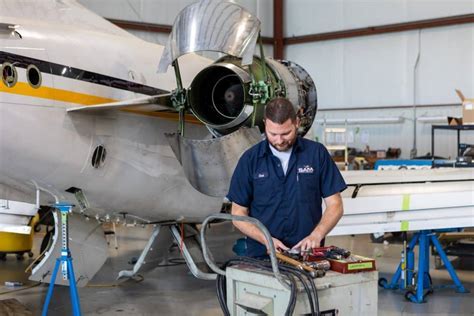
The practical portion is modeled after a mini Oral and Practical (O&P) assessment, familiar to A&P license holders. Candidates are grouped—often six at a time—and tested on key aircraft maintenance fundamentals. The entire hands-on session takes roughly 45 minutes, followed by a brief waiting period before the individual interviews begin.
Practical Test Breakdown: Skills That Matter
The hands-on segment is precise, with each candidate evaluated on critical areas of mechanical proficiency, attention to detail, and procedural compliance. Here’s a breakdown of tasks reported by previous interviewees:
Safety Wire Application
Candidates must safety wire three AN bolts, demonstrating proper technique. Key points include:
- Wiring in the direction of tightness
- Ensuring the wire is snug and does not loop over the bolt head
- Clean, symmetrical twists
A poorly wired bolt—loose, incorrectly routed, or improperly twisted—can result in immediate disqualification from the interview process.
Cotter Pin Installation
You’ll be asked to install a cotter pin on a castle nut bolt. Focus on:
- Proper alignment of the nut
- Secure insertion and spreading of the pin
Mistakes here suggest carelessness or insufficient mechanical experience.
Tire Pressure & Tread Depth Inspection
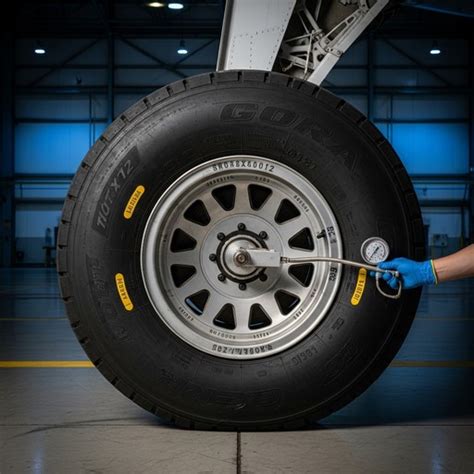
A chart from an A319 aircraft will be provided. You must:
- Determine if a tire at 170 PSI is go/no-go using the correct column (often a trick lies in the chart showing multiple aircraft models)
- Use a tread depth gauge and interpret a reading like 1/32 inch
- Decide if that measurement is within MEL (Minimum Equipment List) dispatch limits
Multimeter and Diode Testing
Several electrical troubleshooting tasks are involved:
- Identify and test a diode using the diode test mode; a working diode shows 0.5–0.7 voltage drop, and when reversed, it should show OL or 1
- Continuity test on a wire: expected reading is 0 ohms
- Check the voltage of a AA battery; remember to switch to DC mode and expect about 1.2 volts
- Reconnect multimeter leads properly if they are intentionally left disconnected
Mistakes in these tests can indicate an unfamiliarity with basic avionics diagnostics—a red flag in commercial aviation.
Sample Questions from the Technical Interview
Following the practical, candidates enter a formal interview, typically conducted by a base manager and a shift supervisor. While not aggressively technical, this interview digs into a candidate’s professional background and judgment.
Key questions reported include:
- “Tell us about your aircraft work experience.” Be honest but highlight scope, aircraft types, systems worked on, and certifications.
- “Give 4 ATA chapters and your favorite.” A strong answer might include 21 (Air Conditioning), 32 (Landing Gear), 24 (Electrical Power), and 27 (Flight Controls), with a reasoned explanation for your favorite.
- “Walk us through preparing for a tire change.” Correct answers stress following the AMM (Aircraft Maintenance Manual), using proper safety protocols, chocking wheels, deflating the tire, lifting the gear, etc.
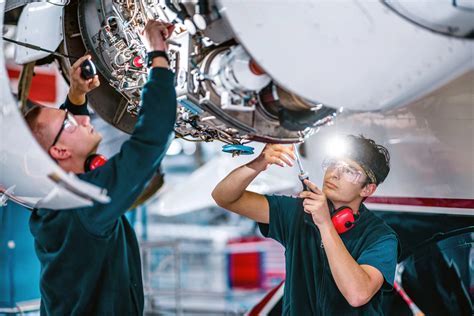
Scenario-Based Problem Solving
- “A coworker suggests shortcuts. What do you do?” Highlight safety, FAA compliance, and teamwork. There’s no room for compromise.
- “There’s an issue at departure time that’s a quick fix. Fix it or defer?” Emphasize assessing the situation against MEL/CDL and involving a supervisor.
- “You’re not sure you’ll finish your task for an on-time departure. What next?” Prioritize communication with your lead and transparency.
- “How do you stay motivated with negative coworkers?” Reinforce personal discipline and the importance of the mission: keeping aircraft safe and passengers moving.
These questions assess more than just experience—they measure ethics, communication, and critical thinking under pressure.
How to Prepare for the Practical: Hands-On Tips
Safety Wire Practice
- Use plywood boards with AN bolts drilled through to replicate real-life scenarios
- Review FAA safety wire diagrams and YouTube tutorials
- Practice until your work is tight, neat, and directional
Electrical Troubleshooting Refresher
- Study the multimeter user manual to refresh on diode, continuity, and DC voltage settings
- Know how a diode functions (converts AC to DC; one-way current)
Tire Assessment Knowledge
- Review AMM sections on tire inspection, inflation limits, and service procedures
- Memorize dispatch minimums like 1/32″ tread depth
The Timeline: When to Expect Results
One key aspect that frustrates many candidates is American Airlines’ timeline from interview to onboarding:
- Interview in October
- Passed by November
- Job offer in January
- Start date in April
It’s not uncommon for months to pass between each stage. Patience is crucial. The airline often waits to align start dates with training cycles or base requirements.
What If You’re Not Selected?
Even highly experienced applicants report being rejected multiple times. Some with 7–10 years of MRO, GA, and airline experience only succeeded after 5+ applications. Factors such as hiring volume, location demand, internal referrals, and even application timing can influence selection.

Final Words of Advice
Candidates should approach the AA AMT interview with equal focus on technical mastery and personal integrity. While the practical skills are measurable, what truly distinguishes a candidate is their attitude—team orientation, safety-first mindset, and professionalism.
Prepare thoroughly for the technical tests. Practice hands-on tasks. Study aircraft systems. Refresh your multimeter skills. But above all, be ready to speak clearly and confidently about your experiences, your ethical stance, and how you will contribute to keeping American Airlines aircraft safe, airworthy, and on time.
Persistence pays off. If rejected, don’t be discouraged. Refine your resume. Practice more. Apply again. Many successful AMTs at AA didn’t succeed on their first try—but their commitment ultimately paid off.