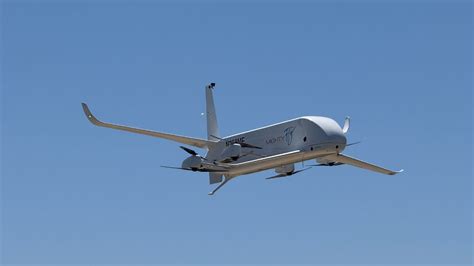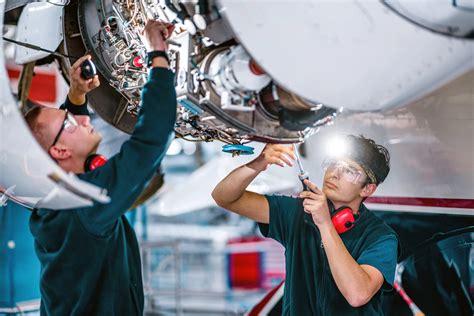
In today’s ever-evolving aerospace sector, the demand for highly trained Aircraft Support Technicians is surging in tandem with the growth of advanced aircraft platforms, electric propulsion systems, and experimental aviation projects. From maintaining traditional gas turbine engines to performing dynamic testing on eVTOL prototypes, this role is becoming central to the operational integrity and innovation of modern aviation.
Understanding the Role of an Aircraft Support Technician
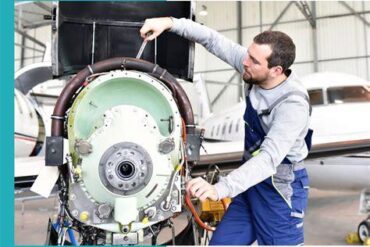
At its core, the position of an Aircraft Support Technician merges mechanical expertise with hands-on engineering support. These professionals are responsible for the maintenance, repair, testing, and integration of aircraft systems. Their scope spans routine inspections to intricate testing scenarios that validate the performance and safety of propulsion systems, avionics, and structural components.
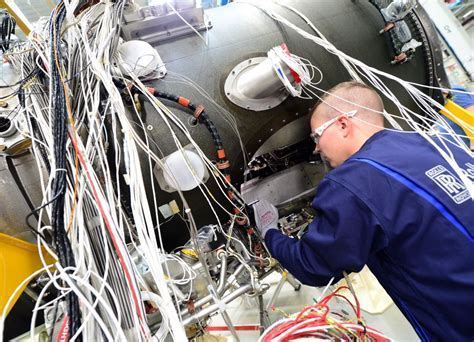
Unlike standard aviation maintenance roles, many aircraft support technician jobs delve into prototype development, environmental testing, vibration analysis, and electric powertrain validation, particularly in cutting-edge firms such as Archer Aviation and Joby Aviation.
Job Market Snapshot: Opportunities Across the United States
Across major aviation hubs in California, Nevada, and remotely operated sectors, thousands of job openings cater to individuals with varying levels of expertise. According to data from platforms such as Indeed, more than 4,000 jobs are currently listed under Aircraft Support Technician or similar titles.
Companies such as West Star Aviation, Wisk Aero, FieldCore, and Anduril Industries are aggressively hiring for roles that include:
- Test Technicians
- Manufacturing Technicians
- Gas Turbine Technicians
- A&P Certified Maintenance Technicians
- Aircraft Integration Specialists
Salaries vary based on location, experience, and specialization, with many positions ranging from $30 to $65 per hour. For example, technicians at Archer Aviation are compensated between $43 and $55 per hour, while Zero-G offers remote-based roles with hourly rates up to $65.
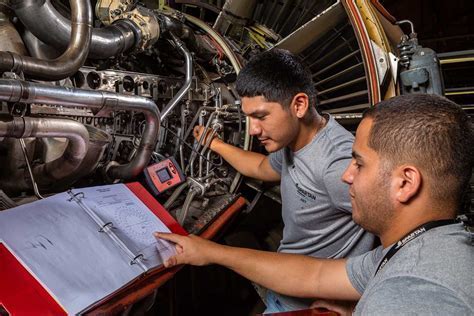
Key Responsibilities in Modern Aircraft Technician Roles
Modern aircraft support positions have evolved far beyond traditional wrench-turning. At the high-performance level, technicians are now expected to:
- Perform motor and drive unit testing on dynamometers
- Execute environmental, structural, and electrical testing protocols
- Troubleshoot electronic assemblies and test setups
- Support engineering during prototype builds and concept validation
- Maintain laboratory cleanliness and testing equipment usability
- Design and fabricate custom fixtures or tools
Technicians working in R&D-heavy companies are often embedded in interdisciplinary teams, collaborating with electrical, software, and propulsion engineers. As aircraft become increasingly reliant on electric propulsion and integrated avionics, the role blends into systems engineering, requiring not only manual skill but also analytical thinking and data reporting proficiency.
Educational and Technical Qualifications
While a formal Associate’s Degree remains a standard qualification, many employers are prioritizing practical experience over academic credentials. Particularly valuable is direct hands-on involvement with mechanical assemblies, especially in electric aircraft or turbine engines.
Preferred qualifications for top-tier employers include:
- Experience with environmental stress screening (ESS)
- Familiarity with dyno testing and high-voltage systems
- Working knowledge of CAD software (NX, CATIA, SolidWorks)
- Certification in maintenance safety protocols (e.g., LOTO, 5S, Arc Flash)
- Physical capability to handle demanding tasks (e.g., lifting up to 50 lbs)
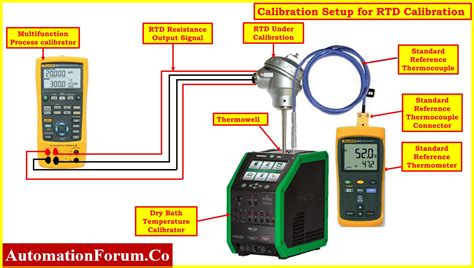
Some advanced roles, especially those in organizations like Joby Aviation or Anduril Industries, favor candidates with prototype assembly experience on experimental aircraft or FAA-certified platforms.
Specialized Job Titles and Their Functional Nuances
1. Testing Technician
These roles involve supporting motor performance evaluation, sensor integration, and often include responsibilities such as building test setups, documenting anomalies, and preparing technical reports. At Archer, for example, testing technicians work directly with drive units and power electronics under high-voltage conditions.
2. Aviation Publications Technician
Specialized yet essential, this job entails maintaining technical documentation libraries, training manuals, and digital review systems such as Adobe Shared Review. These technicians work remotely to ensure compliance and accessibility of safety-critical materials.
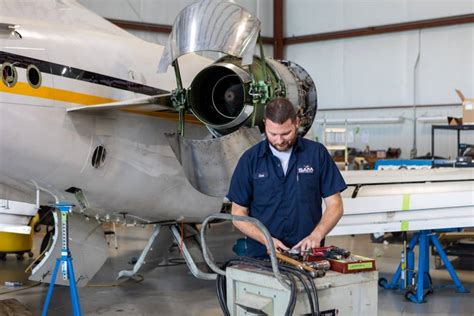
3. Gas Turbine Technician (Aero)
With companies like FieldCore, technicians focus on aero-derivative engines, requiring more than four years of specialized experience in turbine assembly, calibration, and maintenance.
4. Aircraft Integration Technician
This multifaceted position supports everything from assembly line integration to modification and operation of electric aircraft. At Wisk Aero, technicians assist in building prototype eVTOL aircraft with rigorous testing and alignment requirements.
Remote and Hybrid Opportunities: Breaking the Geographic Barrier
With the aerospace industry embracing remote diagnostics, digital twins, and cloud-based documentation systems, technician roles are no longer confined to hangars and airfields. For instance, companies like Zero-G and FieldCore offer remote support roles that leverage cloud-based platforms for technical documentation, predictive maintenance, and library auditing.
This shift not only broadens accessibility for skilled professionals outside major aviation hubs but also enables cross-collaboration across international R&D teams. Moreover, remote jobs often allow for better work-life balance while still contributing to mission-critical operations.
Compensation Insights and Career Trajectory
The median salary for aircraft support technicians ranges from $60,000 to $110,000 annually, depending on specialization, experience, and location. Those with A&P certification, experience with electric propulsion, or exposure to experimental aircraft development often command premium rates.
Career advancement is notable. Technicians frequently transition into roles such as:
- Test Engineers
- Propulsion Analysts
- Technical Project Coordinators
- Quality Assurance Leads
Companies are also investing heavily in internal upskilling programs, helping technicians earn additional certifications in high-voltage safety, 3D modeling, or aerospace systems diagnostics.
Industry Outlook: A High-Growth Segment in Aerospace
Driven by advancements in urban air mobility (UAM), hybrid-electric propulsion, and lightweight materials, the aircraft support technician field is projected to grow significantly over the next decade. The increasing presence of firms like Archer, Joby Aviation, Wisk Aero, and Anduril Industries is transforming how aircraft are built, maintained, and tested.
This transformation is creating an urgent demand for technicians who not only understand traditional aircraft systems but can also work in agile, tech-driven environments focused on sustainability, autonomy, and continuous innovation.
Conclusion: Becoming an Aircraft Support Technician in 2025 and Beyond
The role of an Aircraft Support Technician today is more than maintenance—it is a technologically integrated, safety-critical, and innovation-oriented career. With aircraft systems evolving toward electric propulsion, autonomous navigation, and lightweight compositing, the technician is increasingly becoming a cross-functional expert.
We are witnessing the rise of a profession that sits at the intersection of engineering, technology, and aviation craftsmanship. For those with the ambition to be part of aviation’s next great leap, this career offers not only strong financial rewards but also the opportunity to shape the skies of tomorrow.