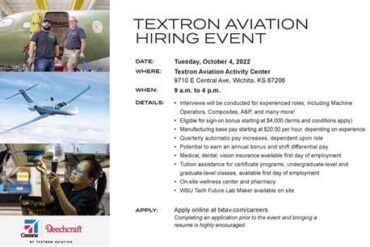
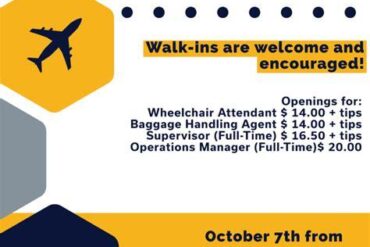
The world of flight level aviation jobs is as vast and dynamic as the skies above. From elite corporate flight attendants to meticulous flight operations coordinators, aviation careers today stretch beyond traditional commercial airline roles. As private aviation expands and technology advances, new employment opportunities are taking off for professionals ready to soar above the rest.
The Rise of Flight Level Aviation Careers
Flight level aviation refers to aircraft operations conducted at high cruising altitudes, typically above 18,000 feet, in regulated airspace where precise coordination and professionalism are paramount. Working in this segment of aviation means catering to a clientele that expects exceptional service, absolute discretion, and rigorous safety standards. Whether you’re on the flight deck or managing schedules on the ground, the roles in this industry require a unique mix of technical expertise, soft skills, and adaptability.

The job market for high-level aviation positions has significantly diversified, driven by a surge in private jet travel, corporate charters, and aerospace defense contracts. Companies like Solairus Aviation, Jet Aviation AG, and Aery Aviation are hiring for various positions, each demanding distinct qualifications and offering lucrative compensation.
Corporate Flight Attendants: Service at 40,000 Feet
A shining example of the industry’s prestige is the Global 6000 Flight Attendant position with Solairus Aviation, based in Teterboro, NJ. Unlike commercial airline cabin crew, corporate flight attendants are expected to provide high-end, personalized service that mirrors five-star hospitality. Responsibilities include:
- Curating gourmet meals with advanced culinary skills
- Conducting safety briefings and emergency preparedness drills
- Ensuring cleanliness, stocking, and maintenance of luxury cabin environments
- Responding to short-notice flight assignments with flexibility and professionalism
The role’s pay scale is staggering — ranging from $50,000 to $500,000 annually — depending on experience, aircraft type, and client expectations.

To qualify, candidates must possess FAA-compliant training, hold First Aid certifications, and ideally complete a recognized course from FlightSafety or FACTs. A background in luxury service and the ability to manage discreet and high-stakes environments are often mandatory.
The Ground Game: Coordinators and Specialists
Not all critical aviation roles take place in the air. Flight schedule coordinators and operations specialists serve as the linchpin of logistical excellence.
At Jet Aviation AG, a Flight Schedule Coordinator works closely with executive assistants and pilots to manage itineraries and aircraft readiness. This role demands real-time communication skills, meticulous record-keeping, and a strong understanding of international air traffic regulations.
Meanwhile, Aery Aviation offers positions like Charter Sales and Flight Coordination, where the ability to juggle client relations, regulatory compliance, and flight logistics is indispensable. Professionals in this segment must also be adept at:
- Managing last-minute changes
- Negotiating vendor contracts
- Coordinating crew schedules and aircraft availability
These roles may not involve flying, but they directly impact flight safety, efficiency, and customer satisfaction.
Aviation for Specialists: Writers, Technicians, and Advisors
The scope of flight level aviation employment extends well into specialized technical and consulting domains. For example, Lockheed Martin is recruiting F-22 Flight Manual Technical Writers in Fort Worth, TX. This role involves producing and updating flight documentation for one of the most advanced fighter aircraft in the world. Candidates must demonstrate:
- Deep knowledge of flight systems or simulation
- Exceptional technical writing skills
- Familiarity with military aviation operations
Meanwhile, Pivotal, based in Palo Alto, CA, is hiring Flight Operations Support Specialists to coordinate with test engineers and manage flight site logistics for cutting-edge aerospace projects.

Such behind-the-scenes roles demand precision, confidentiality, and interdisciplinary coordination, offering a rewarding alternative to traditional flight paths.
Airlines and Languages: The Cabin Crew Advantage
For those drawn to international experiences, airlines like United Airlines are actively hiring multilingual flight attendants — particularly Italian speakers for Newark-based operations. The emphasis here is on both safety and cultural fluency, enhancing the travel experience for global passengers.
Airlines value:
- Strong interpersonal communication skills
- Crisis management capabilities
- Cultural sensitivity and fluency in foreign languages
These positions come with robust benefit packages — including 401(k), medical, vision, and travel perks — making them attractive for those seeking global exposure without the instability often associated with freelance or contract aviation work.

Entry Points: Instructors and Cabin Cleaners
While some aviation jobs demand elite credentials, others serve as entry points into the field. For example, JetStream Ground Services employs aircraft cabin cleaners in Fort Lauderdale, focusing on maintaining flight deck and cabin cleanliness to airline standards. These roles require physical stamina and attention to detail, and often lead to more technical or supervisory positions.
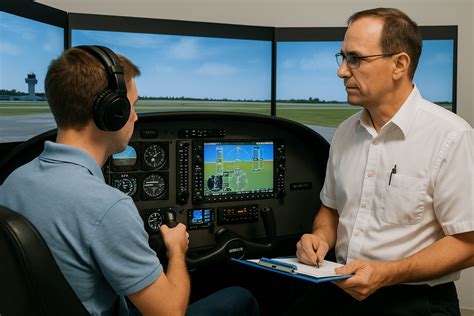
On the other hand, flight instructors, such as those employed by Skyborne Airline Academy and Spartan Education, are shaping the next generation of pilots. Instructors must adhere to FAA regulations, maintain student safety during instructional flights, and provide up to 8 hours of training per day.

These positions, while varied in function, share one trait: a deep commitment to aviation excellence and operational integrity.
Digital Transformation: Remote Roles and Tech Integration
The aviation industry is undergoing a technological evolution. Remote roles, like the Business Aviation Advisor at Chapman Freeborn Airchartering Ltd, are now a reality, allowing professionals to issue comprehensive flight briefs and coordinate charters without geographic restrictions.
Digitalization also fuels roles like Flight Operations Coordinator at Steelman Aviation, where tech-savvy staff assign crew and plan domestic/international missions using cloud-based systems.
Modern aviation staff must be comfortable with:
- Flight planning software
- Cabin management systems
- Secure digital communications
- Emergency procedure protocols stored on smart devices
The blend of aeronautics and IT is redefining career parameters, creating new pathways for professionals from tech, logistics, and customer service backgrounds.
The Compensation Spectrum: Sky-High Rewards
Compensation in the flight level aviation sector is highly variable but potentially life-changing. For example:
- Corporate flight attendants: $50,000 to $500,000 annually
- Operations coordinators: $50,000 to $90,000 depending on experience
- Technical writers and engineers: Often $80,000 to $130,000+
- Entry-level roles (cleaners, assistants): $30,000 to $45,000
These salaries are influenced by location, aircraft model, job duties, training certifications, and client profile. Moreover, many companies offer perks like 401(k) matching, health insurance, paid time off, and even relocation assistance.
Qualifications and Career Progression
To thrive in flight level aviation careers, prospective applicants should develop both hard and soft skills. Recommended credentials include:
- FAA certifications or aviation-specific degrees
- First Aid, CPR, AED training
- Culinary and hospitality training for inflight service roles
- Logistics or business degrees for coordinator positions
- Technical proficiency for IT-integrated aviation systems
Career progression can be rapid for those who demonstrate excellence, flexibility, and a customer-first mindset. Many start in entry-level roles and quickly ascend to leadership or specialized technical positions within a few years.
Final Approach: Is Flight Level Aviation Right for You?
A career in flight level aviation offers more than just a job — it promises a lifestyle of global mobility, precision, and elite service. It’s a domain where professionalism is paramount, where luxury meets logistics, and where even the sky is not the limit.
Whether your strengths lie in service, operations, engineering, or training, there’s a place for you in this high-altitude ecosystem. The demand is growing, the roles are diversifying, and the rewards — both financial and experiential — are soaring.
Now boarding: your future in flight level aviation.