Aircraft inspections are an essential component of maintaining the safety, airworthiness, and reliability of any aircraft. With stringent regulations and guidelines set by the FAA, it is crucial for aircraft owners, operators, and maintenance personnel to understand the various types of inspections required, when they need to be performed, and what each inspection entails. This guide provides an in-depth look at the most common types of aircraft inspections, their technical requirements, and the vital components checked during each inspection.
Types of Aircraft Inspections
Aircraft inspections are typically categorized based on the type of operation the aircraft is involved in, its usage, and how frequently it is flown. The FAA mandates different types of inspections, including annual inspections, 100-hour inspections, and progressive inspections, each with specific criteria and regulations. While the purpose of these inspections remains the same — ensuring the aircraft remains airworthy and safe for operation — the frequency and scope can vary.
Annual Inspection
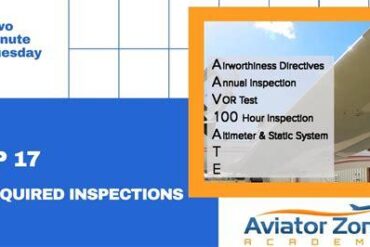
The Annual Inspection is a mandatory inspection for most general aviation aircraft under FAR 91.409. The inspection must be performed every 12 calendar months and must be completed by a licensed mechanic with an Inspection Authorization (IA). The annual inspection is comprehensive and covers all major components of the aircraft, including the airframe, engine, avionics, and other systems. Notably, aircraft using a progressive inspection plan, those with a current experimental certificate, or those carrying a special flight permit are exempt from the annual inspection requirement.
It’s important to note that if an aircraft fails to undergo the annual inspection within the required timeframe, it cannot be flown without special authorization, such as a ferry permit. For example, if the aircraft’s inspection is due on March 15, 2022, it must be completed by April 1, 2023. Failure to comply can lead to significant operational delays and regulatory penalties.
100-Hour Inspection
The 100-hour inspection, as stipulated by FAR 91.409, applies to aircraft that are used for hire or carrying passengers for compensation. This inspection is similar in scope to the annual inspection but is required more frequently, every 100 hours of flight time. Aircraft used for flight instruction for hire are also subject to this inspection.
One key detail about the 100-hour inspection is that aircraft operators can exceed the 100-hour threshold by up to 10 hours, but only for the purpose of flying the aircraft to an inspection location. The extra hours flown during this period will be counted toward the total service hours for the next inspection.
Progressive Inspections
A progressive inspection is an option for aircraft owners looking to minimize downtime and spread the workload across smaller, more frequent inspections. This option is popular among high-usage aircraft, such as those used by flight schools or corporate fleets. With a progressive inspection, the total inspection time is broken down into smaller segments, each lasting approximately 25 hours.
While progressive inspections allow for more flexibility, they are also subject to strict regulations. Each phase must address specific inspection items, ensuring that all the required checks from the annual and 100-hour inspections are completed within a designated period. A progressive inspection plan can only be used by the original owner of the aircraft and is not transferable when the aircraft is sold. If the aircraft is sold, a full annual or 100-hour inspection must be completed and signed off.
Items Checked During Inspections
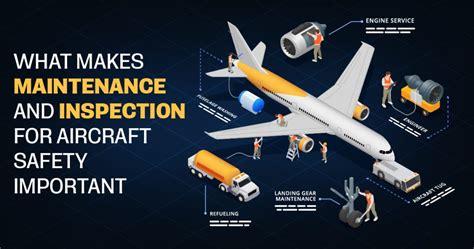
Every inspection, regardless of type, will involve the thorough examination of key aircraft components. The FAA provides detailed guidelines on what should be inspected in FAR 43, Appendix D. Below are some of the critical items that are typically inspected during both the annual and 100-hour inspections:
- Airframe: Includes the fuselage, wings, and control surfaces. Any signs of wear, corrosion, or damage should be addressed immediately.
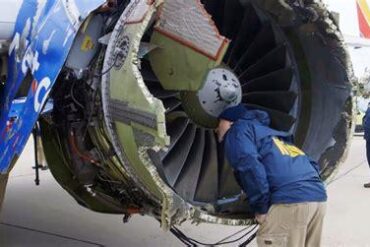
- Engine: The powerplant, including the engine’s components, will be checked for performance, leaks, and any potential malfunctions.
- Avionics: Includes all electronic systems, radios, navigation systems, and autopilot units. These components must be in top working condition to ensure flight safety.
- Landing Gear: The landing gear, tires, brakes, and related components must be inspected for proper function and integrity.
Special Equipment Inspections
In addition to the routine airframe and engine checks, certain specialized equipment requires additional inspections based on FAA regulations. These include inspections for altimeters, transponders, and emergency locator transmitters (ELTs), all of which play a vital role in ensuring the safety and compliance of an aircraft.
Altimeter Inspections
Under FAR 91.411, aircraft altimeters must be inspected and tested every 24 calendar months. This is especially important for aircraft that fly under Instrument Flight Rules (IFR) in controlled airspace. The static system, altimeter, and altitude-reporting systems (such as Mode C) must be properly calibrated and functioning to provide accurate altitude readings during flight.
Transponder Inspections
In accordance with FAR 91.413, aircraft transponders are required to undergo a similar inspection every 24 months. This is crucial for maintaining communication with air traffic control and ensuring accurate flight data is transmitted for safety and tracking purposes. These inspections check for proper functionality and ensure there are no data errors in the system.
Emergency Locator Transmitter (ELT)
The Emergency Locator Transmitter (ELT) is a critical safety device that must be checked annually under FAR 91.207. The ELT is designed to emit a distress signal in the event of an emergency, aiding search and rescue operations. Inspections include checking for battery corrosion, signal strength, and operational controls. Though it is not required to be checked during the annual inspection, it is highly recommended to perform this inspection simultaneously.
Prepurchase Inspection
A Prepurchase inspection is a vital step for any pilot or aircraft buyer looking to purchase a used aircraft. This inspection, conducted by a qualified mechanic, helps identify any potential issues that may not be immediately apparent to the buyer. Unlike an annual or 100-hour inspection, a prepurchase inspection can vary in scope, depending on the buyer’s preferences and the aircraft’s age and condition.
A comprehensive prepurchase inspection will typically include an evaluation of the airframe, engine, avionics, and any other components that could affect the aircraft’s performance. It serves as an essential safeguard, preventing future surprises and ensuring that the aircraft is in airworthy condition before the purchase is finalized.
Conclusion
Routine aircraft inspections are not just a regulatory requirement — they are a critical component in maintaining flight safety and ensuring that aircraft remain in optimal working condition. Whether it’s the annual inspection, a 100-hour inspection, or a progressive inspection plan, each serves a unique purpose and addresses specific needs of the aircraft and its operator. By adhering to these inspection requirements, aircraft owners can prevent costly repairs, enhance safety, and ensure that their aircraft remains compliant with FAA regulations.
Keeping your aircraft in good condition through regular and thorough inspections is essential for safe and efficient flight operations. By following the established inspection schedules and procedures, pilots and owners contribute to the overall safety and longevity of their aircraft. Whether you’re operating a general aviation plane, a commercial aircraft, or preparing to buy a new-to-you plane, understanding the importance of inspections will help ensure the continued reliability and airworthiness of your aircraft.