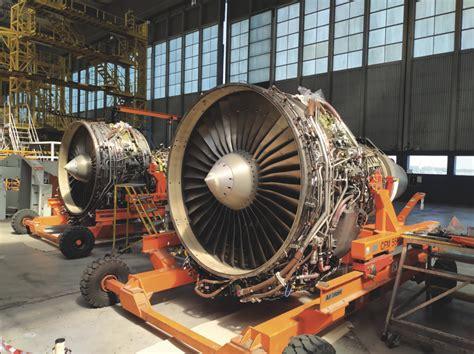
Engine vibration analysis is a crucial aspect of maintaining the health and performance of aircraft engines, particularly those that operate under demanding conditions. In this detailed exploration, we dive into the significance of engine vibration analysis, its benefits, and how it plays a pivotal role in preventing unexpected engine failures, improving aircraft longevity, and ensuring flight safety. What is Engine Vibration Analysis?
Engine vibration analysis, or engine ‘vibe’ survey, refers to the methodical detection and analysis of vibrations generated by various components within an aircraft engine. Every rotating part, from the propeller to the accessory components, generates vibration. Under normal circumstances, this vibration is minimal. However, as components wear over time, these vibrations become more pronounced, potentially signaling an underlying issue. The importance of engine vibration analysis lies in its ability to pinpoint these issues before they escalate into serious problems.
Why Engine Vibration Analysis is Vital
When an engine is brought to full power, numerous components work in harmony, each spinning at specific frequencies. These components, including starter generators, fuel control units, and oil pumps, generate vibrations that are unique to their function. A sudden increase in vibration intensity often indicates that one of these components is becoming imbalanced or wearing out. Left unchecked, this can lead to catastrophic failures, which may incur significant repair costs, unplanned downtime, or even worse, pose safety risks.
A comprehensive engine vibration analysis, typically conducted at regular intervals, identifies abnormal vibrations caused by these components. By tracking these changes over time, engineers can detect the early signs of wear and imbalance, allowing for timely maintenance or repairs. The Importance of Timely Vibration Surveys
One of the key benefits of performing periodic vibration surveys is that they allow for early detection of issues that might not be immediately visible or felt during routine inspections. For instance, a worn bearing in the fuel control unit might not show up as a visible issue during a standard check. However, an engine vibration analysis will reveal subtle vibrations indicative of impending failure, thereby preventing a larger, more costly issue from arising.
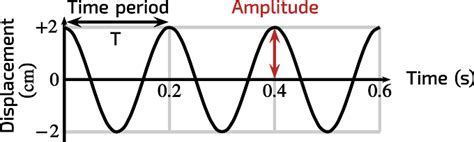
An essential part of this diagnostic process is understanding the frequency and amplitude of the vibrations. These measurements help technicians to pinpoint the exact source of the problem. For example, if a propeller is causing excessive vibration, its signature RPM frequency will show up on the vibration graph. By interpreting the results correctly, maintenance personnel can determine whether the propeller needs to be balanced or if a more significant issue is at play.
Components Monitored During Vibration Analysis
Engine vibration analysis monitors multiple components, each with its own characteristic RPM and vibration signature. Some of the most important components to track include:
- Propellers: Propeller vibrations are among the most noticeable, with imbalances often felt within the cabin. Any imbalance, even at low levels, can lead to discomfort for passengers or pilots, as well as increased wear on the engine mount and other critical parts.
- Starter Generators: These are typically one of the first components analyzed, especially in aircraft like the King Air. Faulty starter generators are prone to catastrophic failure if left undetected, as they may fail prematurely, sometimes even before reaching their expected overhaul life.
- Fuel Control Units: Fuel control units, which run at high RPMs, can also cause significant vibrations. These vibrations may indicate an issue with the bearings or other internal components, which could lead to engine instability if not addressed.
The Role of Vibration Detection Equipment
To conduct engine vibration analysis, specialized equipment is used. The Chadwick-Helmuth 192A Vibration Analyzer and the MicroVib II Aircraft Analyzer are two of the most commonly used tools in this process. These devices measure the frequency (RPM) and amplitude (in inches per second, or IPS) of the vibrations generated by each engine component. Results are typically displayed in a graph that plots RPM on the horizontal axis and IPS on the vertical axis.
While the technology behind these devices has evolved over the years, the Chadwick-Helmuth 192A remains an essential tool for vibration analysis, particularly for older aircraft models. Despite its analog nature, it offers impressive sensitivity and scope. The results of these analyses are crucial in identifying potential issues early in their development.
How to Read Vibration Data
Understanding vibration data requires familiarity with how vibrations manifest in the graph. The vertical axis, representing vibration amplitude in IPS, indicates how intense the vibration is. The greater the amplitude, the more vibration is occurring. By analyzing the spikes in vibration, technicians can determine which component is causing the issue based on its specific RPM.
For example, a spike at 2,000 RPM might correspond to vibrations from the propeller. If the vibration level is unusually high, the technician can recommend a propeller balance to reduce it to an acceptable level. For most aircraft, vibrations under 0.5 IPS are considered normal, though any component outside this range should be monitored closely. Vibrations exceeding 0.75 IPS generally signal an unacceptable level of wear or imbalance.
Challenges in Interpreting Vibration Data
While engine vibration analysis may seem straightforward, there are a few complexities that can make interpretation challenging. For instance, the RPM for each component can vary depending on the engine model. Aircraft engines, such as the PT6A used in King Air models, have different specifications for their components, and these need to be accounted for when analyzing vibration data.
Another challenge lies in the fact that some components, such as propellers, generate multiple frequencies of vibration. This is because the propeller blades themselves can create additional vibrations beyond the primary RPM of the spinning propeller. This multi-frequency vibration must be interpreted correctly to avoid misdiagnosis of the issue.
Preventing Costly Failures Through Vibration Analysis
The primary advantage of engine vibration analysis is its ability to detect problems before they become major issues. Regular surveys help identify components that are beginning to wear out or fall out of balance, allowing for targeted repairs before a failure occurs. In many cases, catching the problem early can save thousands of dollars in repairs and prevent the need for more extensive engine overhauls.
For example, in the case of a starter generator failure, which is common in King Air aircraft, an engine vibration analysis can catch the problem well before the generator fails catastrophically. This type of early detection can save operators both time and money, as well as prevent safety issues during flight.
Conclusion: The Importance of Regular Engine Vibration Analysis
In summary, engine vibration analysis is an invaluable tool in the maintenance and upkeep of aircraft engines. It allows technicians to detect early signs of wear and imbalance, potentially preventing costly failures and ensuring the continued reliability and safety of the aircraft. By performing regular vibration surveys, aircraft operators can stay ahead of potential issues, saving both time and money in the long run.
Whether you are operating under the MORE program or simply want to ensure your aircraft is in optimal condition, periodic engine vibration analysis is a wise investment in the health of your engine and the safety of your aircraft. An ounce of prevention truly is worth a pound of cure.