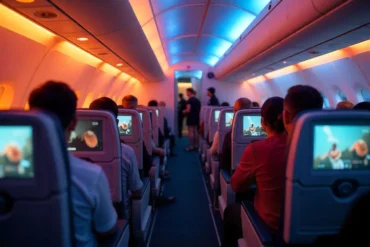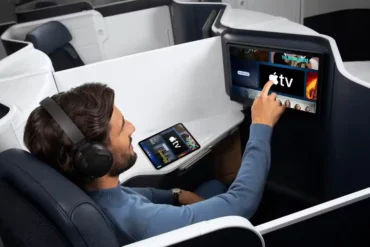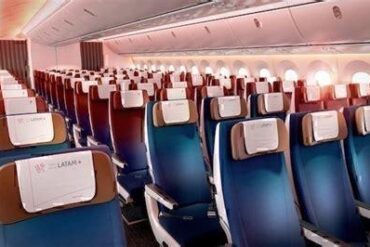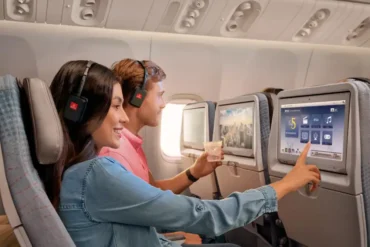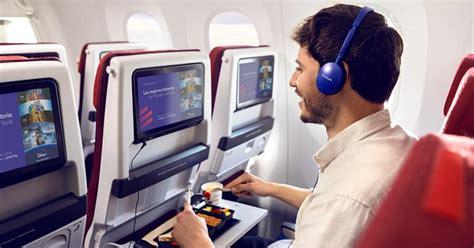
LATAM Airlines is entering a new era of onboard travel by transforming inflight entertainment from a simple collection of movies and television programs into a personalized digital platform. The South American airline group is no longer viewing the seatback screen as an isolated entertainment device. Instead, it is becoming part of a broader ecosystem designed to connect passengers, artificial intelligence, connectivity, and customer data throughout the entire travel journey.
The company’s ambitious transformation is being supported by a $60 million investment in next-generation connectivity with Viasat, but the goal extends far beyond faster WiFi. LATAM wants to create a digital experience where passengers receive personalized content, real-time travel updates, and services that adapt to their individual preferences. This approach reflects a major shift across the aviation industry, where airlines are competing not only through aircraft, routes, and fares but also through seamless digital experiences.
LATAM Airlines’ Digital Transformation Goes Beyond Traditional Inflight Entertainment
For LATAM Airlines, the inflight entertainment overhaul is only one visible part of a much larger digital transformation strategy that began years before the latest connectivity investment. The airline has approached digitalization as a complete redesign of how it interacts with passengers, rather than simply adding new technology tools to existing operations.
According to LATAM’s Chief Information and Digital Officer Juliana Rios, the airline’s digital journey has focused on changing internal processes and creating closer cooperation between technology teams and business departments. Instead of developing isolated digital solutions for individual areas, LATAM created cross-functional teams that combine operational expertise with technology capabilities.
This structure allows the airline to redesign customer journeys from beginning to end. From searching for flights and purchasing tickets to managing travel during disruptions and experiencing the onboard journey, every stage is becoming connected through digital platforms.
The company’s digital organization was established around 2018 and 2019, initially concentrating on customer-facing improvements before expanding into wider areas of the business. LATAM’s philosophy is that technology should simplify operations and empower employees rather than create additional complexity.
The results have already been significant. LATAM’s Net Promoter Score among premium customers increased dramatically compared with previous years, while its digital customer experience measurements have also improved. The airline believes technology has played a major role in these improvements by allowing employees to focus more on passenger service and less on outdated manual processes.
This same philosophy is now shaping LATAM’s approach to inflight entertainment. Faster internet speeds and expanded content libraries are only the foundation. The ultimate objective is a smarter onboard environment where technology understands passengers and responds to their needs.
Delta Air Lines Provides the Blueprint for LATAM’s Future Cabin Experience
LATAM Airlines is not developing its next-generation inflight entertainment system alone. One of its strongest sources of inspiration comes from its close partnership with Delta Air Lines, a carrier widely recognized for its investment in digital passenger experiences.
Since establishing a strategic partnership, LATAM and Delta have collaborated across multiple areas, including network planning and customer experience. That cooperation has increasingly influenced how LATAM views the future of onboard technology.
Rios has openly acknowledged that Delta’s digital strategy has become an important reference point. Rather than simply upgrading hardware, LATAM wants to build its own customer interface that can deliver personalized services directly to travelers.
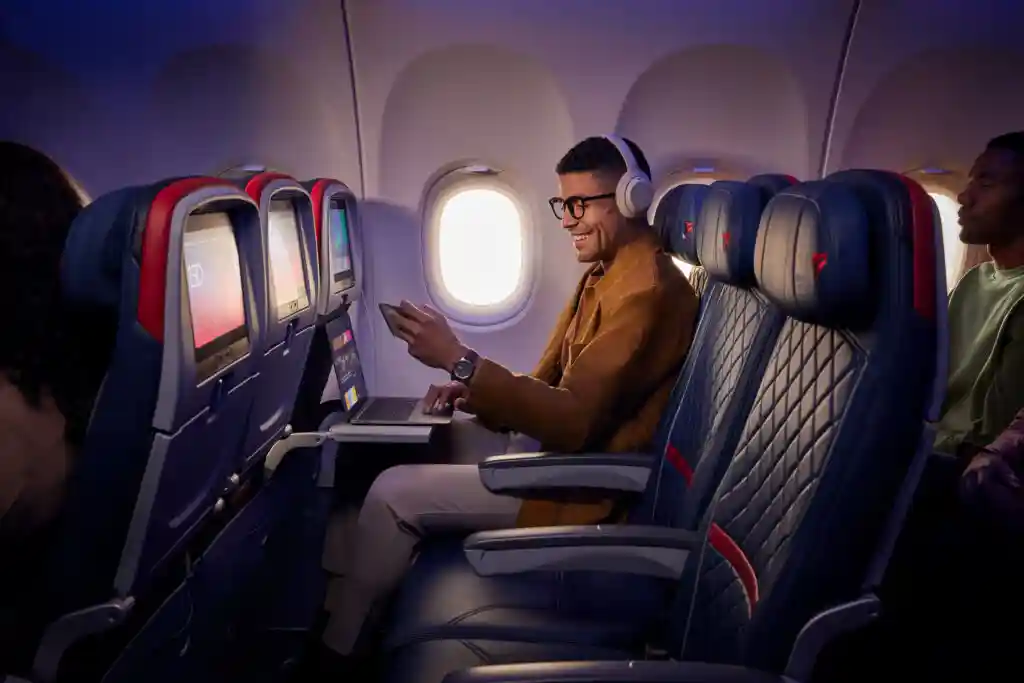
Delta has spent years developing a connected entertainment ecosystem through its Delta Sync platform. Instead of treating the seatback display as a traditional television screen, the airline has integrated customer profiles, loyalty information, personalized recommendations, and connected services into the onboard experience.
This represents a fundamental change in the role of inflight entertainment. In the past, passengers selected from a fixed catalog of films and programs. In the future, the system could recognize who is sitting in the seat, understand previous interactions, and recommend content based on personal preferences.
LATAM’s ambition follows a similar direction. The airline wants passengers to experience an onboard system that feels less like a public entertainment terminal and more like a personal digital assistant.
A traveler who watches half of a movie on one LATAM flight could potentially continue from the same point during a connecting flight. A passenger traveling for business might receive productivity-focused services, while a family traveling with children could receive recommendations designed around their journey.
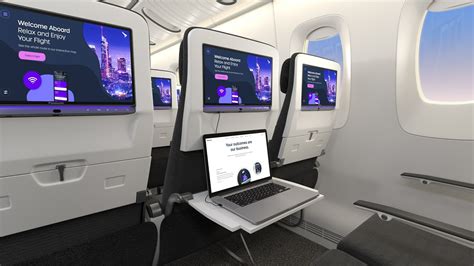
The seatback screen is evolving from a passive display into an active communication channel between the airline and passenger.
Viasat Connectivity Will Become the Foundation of Personalized Travel
Connectivity is at the heart of LATAM’s inflight entertainment transformation. However, the airline sees internet access as more than a convenience feature. High-speed connectivity provides the foundation for a completely new relationship between airlines and passengers.
Many airlines view onboard WiFi mainly as a way for travelers to browse websites, send messages, or stream entertainment. LATAM’s vision is broader. The company believes connectivity can allow the airline to communicate with passengers at critical moments during their journey.
For example, if a connecting flight changes, luggage is delayed, or weather conditions affect operations, passengers could receive personalized updates directly through the onboard interface. Instead of searching through emails or mobile applications, travelers could receive relevant information automatically.
This capability could significantly improve the passenger experience during irregular operations, which are among the most stressful moments in air travel.
Entertainment itself could also become more flexible. Future systems may remember what passengers watched previously and allow them to continue their experience across multiple flights.
A passenger beginning a long movie during a transcontinental journey would no longer need to restart the film after changing aircraft. The system could recognize the traveler and offer the option to continue from the previous position.
Although this may appear to be a small improvement, it represents a major technological shift. The entertainment system is no longer simply storing content locally. It becomes a connected service linked to a passenger’s digital identity.
Artificial Intelligence Is Transforming the Entire LATAM Customer Journey
While inflight entertainment receives much of the attention, LATAM’s digital strategy begins long before passengers board an aircraft. Artificial intelligence is becoming a key element in understanding customer behavior throughout the entire travel process.
Modern travelers interact with airlines across many different channels. They search destinations, compare prices, purchase tickets, select seats, add baggage, reserve hotels, and research activities before departure. Each interaction creates valuable information about their preferences.
LATAM is using artificial intelligence and advanced data models to analyze these behaviors and provide more relevant recommendations.
The airline has expanded digital communication through channels such as WhatsApp, online chat, and conversational assistants. It is also developing AI-powered concierge services capable of suggesting destinations, recommending hotels and restaurants, proposing activities, and assisting with flight searches.
The challenge is not simply collecting information. The real challenge is understanding context.
A passenger traveling for a business conference has different needs from someone planning a family vacation. A frequent traveler may value efficiency and speed, while a first-time visitor may need more guidance and recommendations.
LATAM believes contextual understanding will determine the future of airline personalization. The more accurately an airline understands passenger intent, the more valuable its digital services become.
This same approach will eventually influence the onboard experience. Instead of presenting every passenger with identical entertainment menus and general information, future systems could adapt automatically based on individual travel patterns.
The Future of LATAM Airlines Inflight Entertainment Will Be Highly Personalized
Traditional inflight entertainment systems were designed around one simple idea: provide passengers with enough movies, television shows, and music to make a flight more enjoyable.
The next generation of systems will operate very differently. Entertainment will become only one part of a larger digital travel platform.
For LATAM Airlines, the future cabin experience could include personalized entertainment recommendations, saved viewing history, customized travel information, and destination-focused suggestions.
A passenger arriving in a new city could receive local recommendations directly through the entertainment interface. A traveler with a short connection could receive updated gate information. A loyalty member could access services tailored to their travel history.
The difference between traditional and future systems is personalization.
| Feature | Traditional Inflight Entertainment | LATAM’s Future Vision |
|---|---|---|
| Connectivity | Limited or unavailable internet access | High-speed Viasat connectivity |
| Entertainment | Fixed content library | Personalized recommendations and viewing history |
| Passenger communication | General announcements | Individual travel updates |
| Customer recognition | Anonymous experience | Passenger profiles connected across journeys |
| Artificial intelligence | Limited use | Context-based assistance and recommendations |
LATAM’s advantage comes from combining lessons from global aviation leaders with its own customer data and regional market knowledge. The airline can adopt proven ideas while developing solutions specifically designed for Latin American travelers.
Technology Is Improving LATAM Airlines Beyond the Passenger Cabin
Although the inflight entertainment overhaul represents the most visible part of LATAM’s digital transformation, some of the airline’s most important technology achievements are happening behind the scenes.
The same principles driving personalized entertainment are also being applied to aircraft operations, maintenance, and efficiency improvements.
One example is LATAM’s use of digital tools to optimize maintenance planning. Through improved data analysis and operational processes, the airline has created additional aircraft availability without adding new airplanes to its fleet.
According to LATAM executives, these improvements generated approximately 1,440 additional aircraft operating days annually. Achieving the same capacity increase through fleet expansion would have required several additional aircraft.
This demonstrates the broader value of digital transformation. Technology is not only improving passenger-facing experiences but also helping airlines operate more efficiently.
LATAM is also exploring similar opportunities in areas such as cargo operations and internal processes. The company’s goal is to automate repetitive tasks while allowing employees to focus on activities requiring human judgment and interaction.
The aviation industry is changing rapidly, and technology cycles are becoming shorter. LATAM recognizes that the most successful airlines will not necessarily be those that predict every future trend correctly, but those capable of adapting quickly.
LATAM Airlines Is Building the Future of Connected Air Travel
LATAM Airlines’ inflight entertainment overhaul represents much more than a cabin technology upgrade. It reflects a fundamental change in how airlines think about passenger relationships.
The future of air travel will not be defined only by larger aircraft, better seats, or expanded route networks. Increasingly, airlines will compete through digital experiences that make journeys easier, more personalized, and more connected.
By combining Viasat connectivity, artificial intelligence, customer data, and lessons from Delta Air Lines’ digital strategy, LATAM is building the foundation for a new generation of travel experiences.
The seatback screen of tomorrow may no longer be just a place to watch movies. It could become a personalized travel companion that understands passengers, anticipates their needs, and connects every stage of their journey.
For Latin America’s largest airline group, the inflight entertainment transformation is only the beginning of a much broader digital evolution.