Why Do Commercial Aircraft Orbit The Same Point Before Landing?
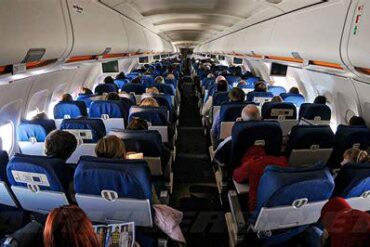
Passengers watching a flight tracker sometimes notice something strange: their aircraft has reached the destination airport area, yet it continues flying in circles for 20 minutes, 40 minutes, or even more than an hour. From the cabin, it may feel like the airplane is simply wasting time. On the ground, the runway may appear close enough to touch. However, these repeated loops are not random movements or signs of a problem. They are a carefully controlled aviation procedure known as a holding pattern.
A commercial flight holding pattern is one of the most important tools used by air traffic controllers to manage crowded skies around major airports. Instead of allowing dozens of aircraft to approach the runway at the same time, controllers place aircraft into organized circular or racetrack-shaped paths until they can safely continue their descent and landing.
Although most holding patterns last only a few minutes, certain situations can force aircraft to remain airborne for much longer periods. Heavy airport congestion, severe weather, runway closures, emergency situations, and temporary airspace restrictions can all create conditions where an aircraft may spend an hour or longer circling before receiving clearance to land.
For passengers, the experience can be confusing and frustrating. A flight tracker showing the same loop repeated over and over can make it appear as if the aircraft is lost or unable to land. In reality, the opposite is true. A holding pattern represents a highly coordinated system designed to maintain safety while keeping aircraft moving through a limited airport environment.
How Aircraft Holding Patterns Keep Busy Airports Organized
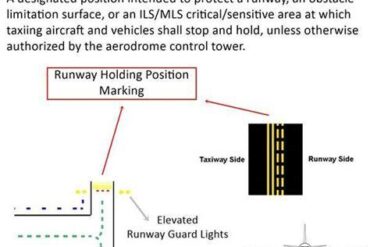
A holding pattern is a predefined maneuver that allows an aircraft to remain in a specific area while waiting for further instructions from air traffic control. Instead of flying aimlessly, the aircraft follows a precise path around a navigation point called a fix.
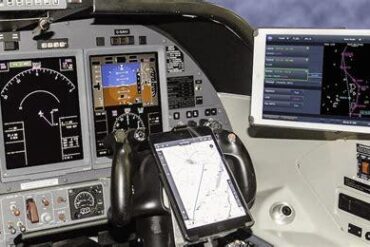
The typical holding pattern resembles an elongated oval. The aircraft flies one straight segment, makes a turn, flies back along the opposite side, and repeats the process until controllers release it for approach. Modern commercial aircraft can automatically fly these patterns using their flight management systems, although pilots continue monitoring the aircraft and remain prepared to take manual control if necessary.
The design of holding patterns allows controllers to create predictable traffic flows. Aircraft can be separated vertically, with different airplanes assigned different altitudes inside the same holding area. This means several aircraft can safely wait near an airport without creating dangerous conflicts.
Major international airports often rely on multiple holding areas known as holding stacks. London Heathrow Airport provides one of the most famous examples. The airport uses four dedicated arrival holding stacks: Bovingdon, Lambourne, Ockham, and Biggin. These holding areas have supported Heathrow’s arrival operations since the early years of the jet age.
Aircraft entering these stacks are arranged according to altitude, with arriving flights gradually moving lower as aircraft ahead are cleared for landing. This creates a controlled queue in the sky, similar to vehicles waiting in different lanes before entering a busy highway.
According to Heathrow’s 2024 operational reporting, aircraft entering its holding stacks typically spend only several minutes waiting, but hundreds of aircraft may enter these areas every day. The system allows the airport to handle enormous traffic volumes while maintaining safe separation between aircraft.
Airport Congestion Is One Of The Biggest Reasons Flights Hold
The most common reason a commercial flight circles before landing is simple: too many aircraft are trying to land at the same time.
Airports have limited arrival capacity. Even the largest international airports can only handle a certain number of aircraft per hour. That capacity depends on several factors, including runway availability, weather conditions, aircraft separation requirements, and the types of aircraft operating.
During peak travel periods, major airports often operate close to their maximum capacity. Long-haul flights arriving in the morning or evening frequently converge with domestic and regional services, creating waves of incoming traffic.
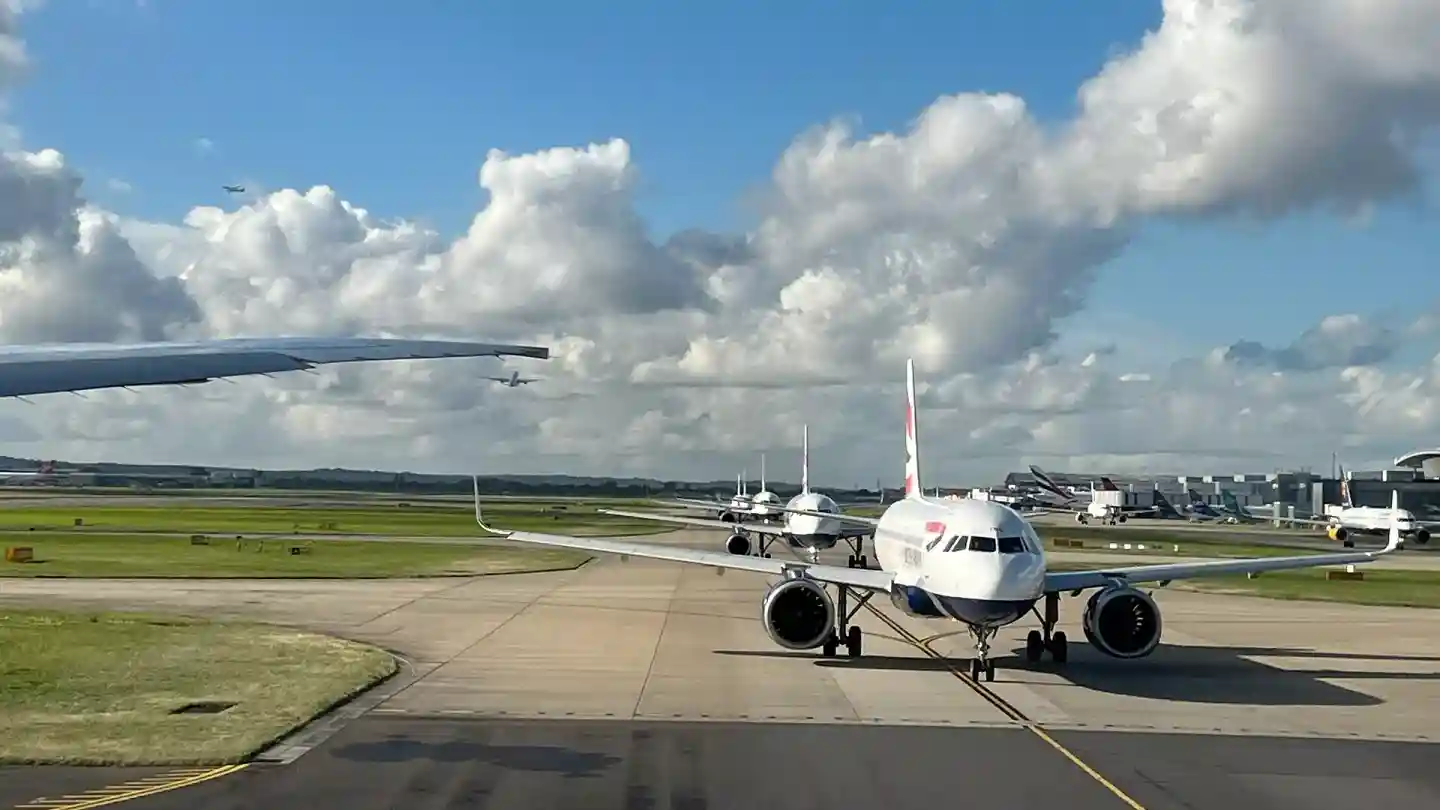
London Heathrow is a clear example of how limited capacity can create holding delays. Despite operating with only two runways, Heathrow consistently ranks among the busiest two-runway airports in the world. Because the airport operates close to its practical limits, even a small disruption can quickly create a chain reaction.
A short runway inspection, a slower-than-normal aircraft departure, or a temporary reduction in landing speed can reduce the number of aircraft arriving each hour. The aircraft already approaching the airport cannot all land immediately, so controllers place some flights into holding patterns until space becomes available.
Other major airports such as New York John F. Kennedy International Airport and Frankfurt Airport experience similar challenges. Their global importance means thousands of passengers and hundreds of aircraft depend on carefully managed arrival schedules every day.
Without holding patterns, controllers would have fewer options during busy periods. Aircraft might need to divert much earlier, creating greater disruption throughout the airline network.
How Bad Weather Forces Aircraft To Circle Before Landing
Weather is another major factor behind extended holding patterns. Modern aircraft are designed to operate in many challenging conditions, but airports have strict limits regarding visibility, wind, thunderstorms, and runway conditions.
Low clouds and poor visibility can reduce airport arrival rates because pilots and controllers require greater spacing between aircraft. Even when aircraft are fully capable of landing, the airport’s operating procedures may require more time between arrivals.
Heavy rain and strong winds can also affect runway operations. Strong crosswinds may make approaches more difficult, while wet runways can increase safety requirements. When fewer aircraft can land each hour, arriving flights may be placed into holding patterns.
Thunderstorms create some of the most significant disruptions. Large storm systems can block arrival routes, close portions of surrounding airspace, and force aircraft to avoid dangerous weather cells. Rather than immediately diverting every aircraft, controllers may place flights into holding patterns while waiting to see whether conditions improve.
Strong headwinds can create another hidden problem. When aircraft fly slower over the ground, they take longer to complete approaches. This increases the time between consecutive landings and reduces airport capacity.
To address this challenge, Heathrow introduced Time-Based Separation (TBS) in 2015. Instead of relying only on distance between aircraft, the system adjusts spacing based on time intervals. This helps maintain arrival efficiency during strong winds by preventing aircraft from being unnecessarily separated too far apart.
Operational Problems Can Suddenly Stop Airport Arrivals
Not every holding pattern is caused by normal traffic demand or weather. Sometimes unexpected events can temporarily prevent aircraft from landing.
A runway may need to close because of foreign object debris, wildlife activity, emergency response operations, or an aircraft requiring assistance. Even a short interruption can create a significant backlog at a busy airport.
For example, if a vehicle must inspect a runway after a possible hazard is reported, arriving aircraft may have nowhere to go until the inspection is complete. Instead of sending aircraft away immediately, controllers often use holding patterns as a temporary solution.
Emergency situations can also change the arrival order. If an aircraft reports a technical issue, medical emergency, or another urgent condition, controllers may prioritize that flight and delay other aircraft already approaching.
Passengers waiting in a holding pattern usually have little information about what is happening. However, the delay may be allowing another aircraft to receive immediate assistance.
At airports operating near capacity, even a 10-minute disruption can create hours of consequences. Aircraft continue arriving while the problem is being resolved, creating a queue that takes time to clear.
How Airlines Prepare For Long Holding Delays
Although passengers may not expect an aircraft to circle for an hour, airlines plan for the possibility before every flight takes off.
Fuel planning is one of the most carefully calculated parts of flight preparation. Commercial aircraft do not depart with only enough fuel to reach their destination. Regulations require airlines to carry additional fuel reserves to handle unexpected situations.
A flight’s fuel calculation normally includes taxi fuel, trip fuel, contingency fuel, alternate airport fuel, and final reserve fuel. The final reserve provides a protected safety margin that cannot be used simply to extend a delay.
When dispatchers expect congestion, thunderstorms, or airspace restrictions, airlines may add extra discretionary fuel. This gives pilots more flexibility if the aircraft enters a long holding pattern.
During a hold, pilots constantly monitor fuel levels, weather updates, and information from air traffic control. They communicate with their airline’s operations center and evaluate whether continuing to wait remains the best option.
If fuel reserves become limited or conditions at the destination remain uncertain, the aircraft may divert to an alternate airport. A diversion is not a failure of planning. It is a carefully calculated safety decision designed to protect passengers and crew.
Some Aircraft Have Held For Hours Before Landing
While an hour-long holding pattern is unusual, history has shown that much longer delays can happen under extraordinary circumstances.
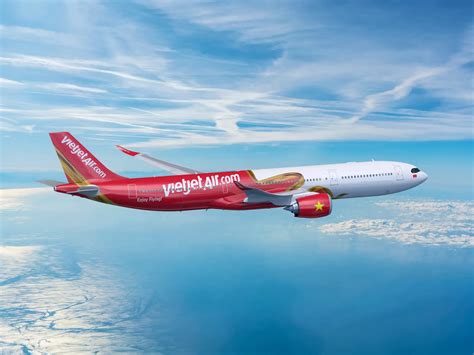
One notable example involved a Garuda Indonesia Airbus A330-900neo that spent several hours in a holding pattern while waiting for temporary airspace restrictions to clear. The aircraft reportedly completed numerous holding circuits before continuing its journey.
Situations like this are rare because airlines and air traffic controllers normally work together to avoid excessive airborne delays. Holding burns additional fuel, increases operating costs, and adds workload for flight crews.
However, in certain situations, remaining airborne is still the safest option. Diverting dozens of aircraft or closing an airport’s arrival system entirely could create even greater problems.
Why Holding Patterns Are Actually A Sign Of Aviation Safety
A commercial aircraft circling near an airport may look inefficient, but holding patterns represent one of the most advanced coordination systems in modern aviation.
They allow thousands of aircraft to safely share limited airspace, especially around the world’s busiest airports. Instead of creating chaos when demand exceeds capacity, controllers use holding procedures to create an organized sequence.
For passengers, watching the same point appear repeatedly on a flight tracker can be frustrating. However, every turn in the sky is part of a carefully managed process involving pilots, dispatchers, and air traffic controllers.
The next time a commercial flight circles before landing, it is not because the aircraft is lost. It is because aviation has a system designed to wait safely, protect passengers, and ensure that every aircraft reaches the runway at the right moment.