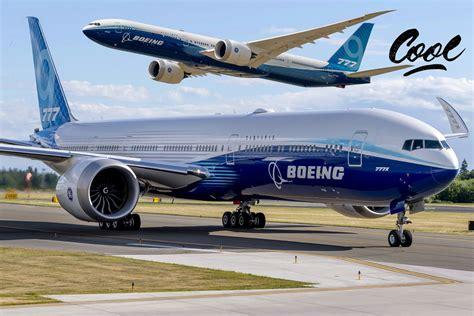
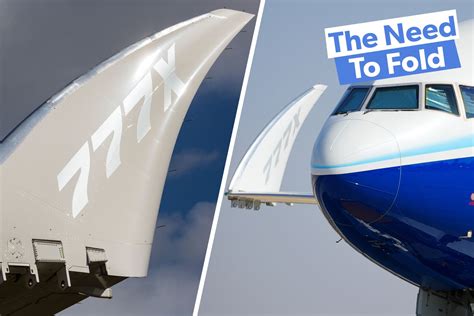
The Boeing 777X was designed to become the undisputed flagship of the twin-engine era. With enormous passenger capacity, cutting-edge composite wings, folding wingtips, and the world’s largest commercial jet engines, Boeing envisioned the aircraft replacing aging four-engine icons like the Boeing 747 and competing directly against Airbus’ largest long-haul aircraft. Yet one detail continues to puzzle aviation enthusiasts: not a single major US passenger airline has ordered it.
That absence is especially striking considering Boeing’s historic relationship with American carriers. Airlines such as American Airlines, United Airlines, and Delta Air Lines have traditionally been among Boeing’s most influential customers. Instead of embracing Boeing’s newest flagship, they have overwhelmingly invested in smaller, more versatile widebody aircraft.
The explanation extends far beyond certification delays or temporary market conditions. It reflects a broader transformation in airline economics, network planning, fleet strategy, and passenger demand that has fundamentally altered how America’s largest airlines approach long-haul operations.
After years of development setbacks, changing travel patterns, and fierce competition from Airbus, the Boeing 777X now finds its strongest customer base outside the United States.
The Boeing 777X Was Built for a Different Airline Business Model
The Boeing 777X is an exceptionally capable aircraft. The larger Boeing 777-9 can accommodate well over 400 passengers in high-density layouts while flying ultra-long-haul routes with remarkable efficiency for its size. Powered by GE Aerospace’s massive GE9X engines and featuring advanced composite wings with folding wingtips, the aircraft promises lower fuel burn per seat than previous generations of large widebody aircraft.
However, efficiency only matters if airlines consistently fill those seats.
That is precisely where the biggest US airlines face a challenge.
Unlike many international carriers, American airlines rarely rely on extremely high-capacity aircraft to connect their global networks. Instead, they increasingly favor operating multiple daily departures using slightly smaller aircraft rather than concentrating demand into one massive flight.
This strategy provides greater flexibility while reducing commercial risk. If demand weakens on a particular day, a Boeing 787 carrying 260 to 300 passengers is considerably easier to fill profitably than a Boeing 777-9 configured for more than 400 travelers.
Rather than maximizing aircraft size, US airlines have spent the past decade maximizing schedule flexibility.
Why Smaller Widebodies Fit American Networks Better
The airline industry has steadily shifted toward operating more point-to-point international routes instead of funneling every passenger through a handful of giant hub airports.
Aircraft like the Boeing 787 Dreamliner and Airbus A350 have accelerated that trend.
Their excellent fuel efficiency allows airlines to profitably operate thinner long-haul routes that previously required much larger aircraft. Instead of flying one enormous aircraft between two global hubs, airlines can connect secondary cities directly.
This strategy aligns perfectly with the networks of American Airlines, United Airlines, and Delta.
Each carrier has multiple hubs distributed across the United States, allowing passengers to connect through several gateways instead of relying on one dominant international hub.
Consequently, demand becomes naturally spread across numerous departures, reducing the need for exceptionally large aircraft.
The Boeing 787 Has Become the Ideal Long-Haul Aircraft
Perhaps the biggest obstacle facing the Boeing 777X is not Airbus.
It is Boeing’s own Boeing 787.
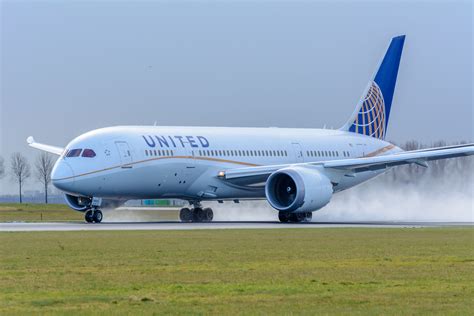
The Dreamliner has proven remarkably successful because it offers airlines a near-perfect balance of operating economics, passenger comfort, and scheduling flexibility.
Available in several variants, the 787 allows airlines to tailor capacity according to market demand while maintaining impressive range.
For US airlines, this flexibility creates significant advantages:
- Lower financial risk on long-haul routes
- Easier year-round capacity management
- Reduced pressure to achieve extremely high load factors
- Greater route development opportunities
- More frequent flight schedules
American Airlines continues expanding its Dreamliner fleet while using existing Boeing 777 aircraft where additional capacity is required.
United Airlines has likewise invested heavily in the 787 family as the backbone of its future international fleet.
Delta, meanwhile, has diversified with both Airbus A350s and A330neos instead of pursuing Boeing’s newest flagship.
Existing Boeing 777 Fleets Still Have Plenty of Life Remaining
Fleet replacement decisions are rarely driven by excitement over new technology alone.
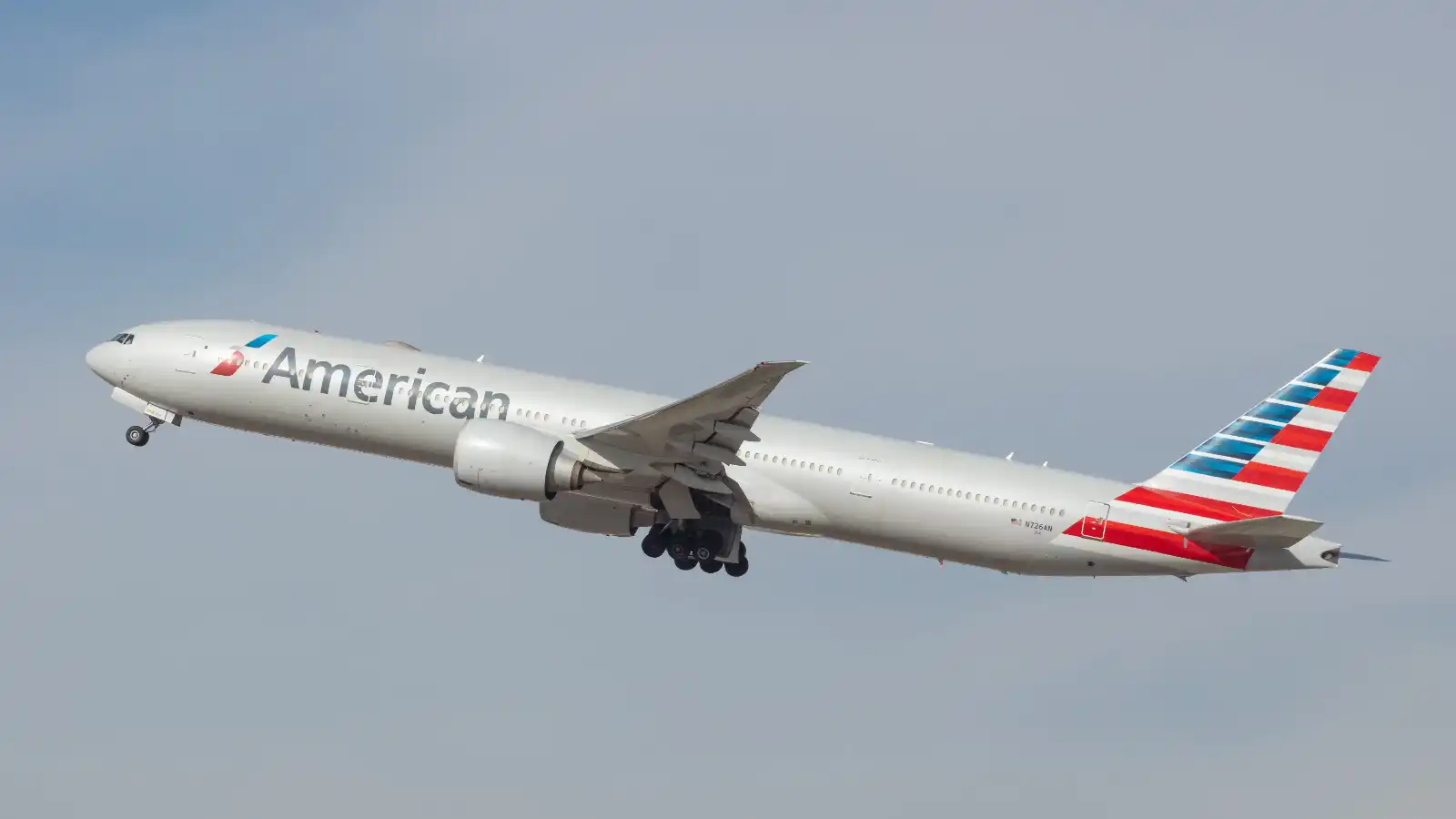
American Airlines and United Airlines already operate substantial fleets of earlier-generation Boeing 777 aircraft that remain highly capable.
Many of these aircraft underwent expensive cabin refurbishments only a few years ago, extending their commercial usefulness well into the next decade.
Replacing aircraft prematurely would require billions of dollars in capital investment while delivering only incremental operating improvements.
Instead, airlines are choosing to maximize the value of aircraft they already own before making another major fleet transition.
This reduces the urgency for purchasing the Boeing 777X.
Certification Delays Have Damaged Airline Confidence
Even if US airlines had shown stronger initial interest, Boeing’s prolonged development program has significantly complicated the aircraft’s sales prospects.
The Boeing 777X was originally expected to enter service around 2020.
Instead, certification has slipped repeatedly because of multiple technical and regulatory challenges.
Several issues have slowed progress, including:
- Enhanced regulatory oversight following the 737 MAX crisis
- Flight test interruptions
- Engine-related concerns
- Manufacturing quality issues
- Design revisions
- Labor disruptions
- Extended FAA certification reviews
Years of delays inevitably affect airline planning.
Fleet strategies are typically developed many years in advance. When delivery timelines become uncertain, airlines often redirect investments toward aircraft that are already certified and available.
For many operators, Airbus successfully capitalized on this uncertainty.
The Airbus A350 Entered the Market at Exactly the Right Time
While Boeing continued working through certification challenges, Airbus steadily expanded deliveries of the A350 family.
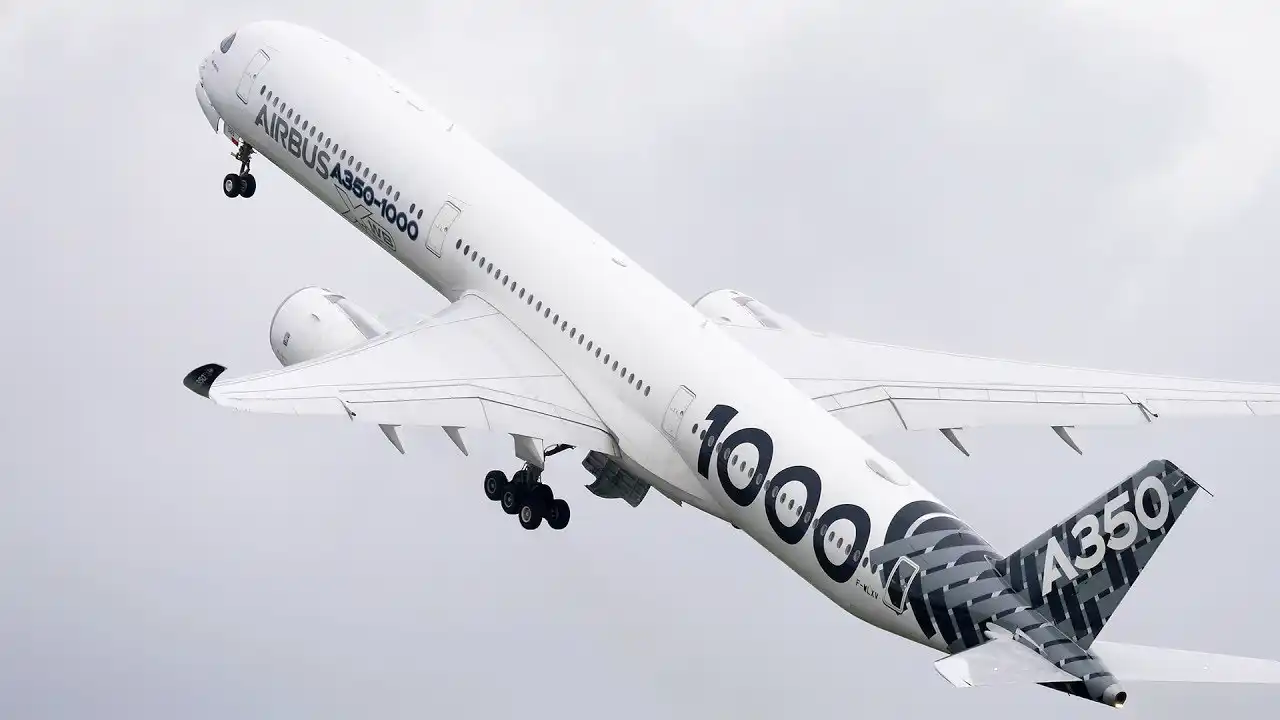
The A350-900 quickly established an impressive operational reputation thanks to its excellent fuel efficiency, reliability, and passenger comfort.
The larger A350-1000 then entered service several years before the Boeing 777-9 could reach airlines.
That timing proved enormously valuable.
Instead of waiting indefinitely for Boeing’s newest aircraft, airlines seeking modern large widebodies increasingly selected the Airbus alternative.
The A350 family provides lower operating costs on many missions while requiring fewer passengers to achieve profitable economics.
For airlines managing uncertain post-pandemic demand, that flexibility became increasingly attractive.
Why International Airlines Continue Buying the Boeing 777X
Although American airlines remain hesitant, numerous overseas carriers continue supporting the Boeing 777X.
These airlines operate fundamentally different business models.
Many concentrate enormous passenger flows through single global hubs before distributing travelers worldwide.
Examples include airlines based in:
- Dubai
- Doha
- Abu Dhabi
- Singapore
- Seoul
- Frankfurt
Carriers such as Emirates, Qatar Airways, Lufthansa, Singapore Airlines, British Airways, Korean Air, and Cathay Pacific routinely fill very large aircraft because their hubs consolidate passengers arriving from dozens of destinations.
For these airlines, maximizing seats per departure often reduces operating costs.
The Boeing 777-9 aligns perfectly with that strategy.
The Boeing 777-8 Faces an Even Tougher Challenge
The smaller Boeing 777-8 was expected to attract airlines replacing earlier Boeing 777-200ER fleets.
Instead, market demand has remained relatively weak.
Several factors contribute to this situation.
Many airlines continue operating younger 777-200ER aircraft that still possess considerable service life.
Meanwhile, the Airbus A350-900 already occupies much of this market segment with a mature product that has accumulated years of successful airline experience.
As a result, the Boeing 777-8 has secured relatively few passenger orders, with Emirates representing the overwhelming majority of commitments.
Cargo Could Become the Program’s Long-Term Bright Spot
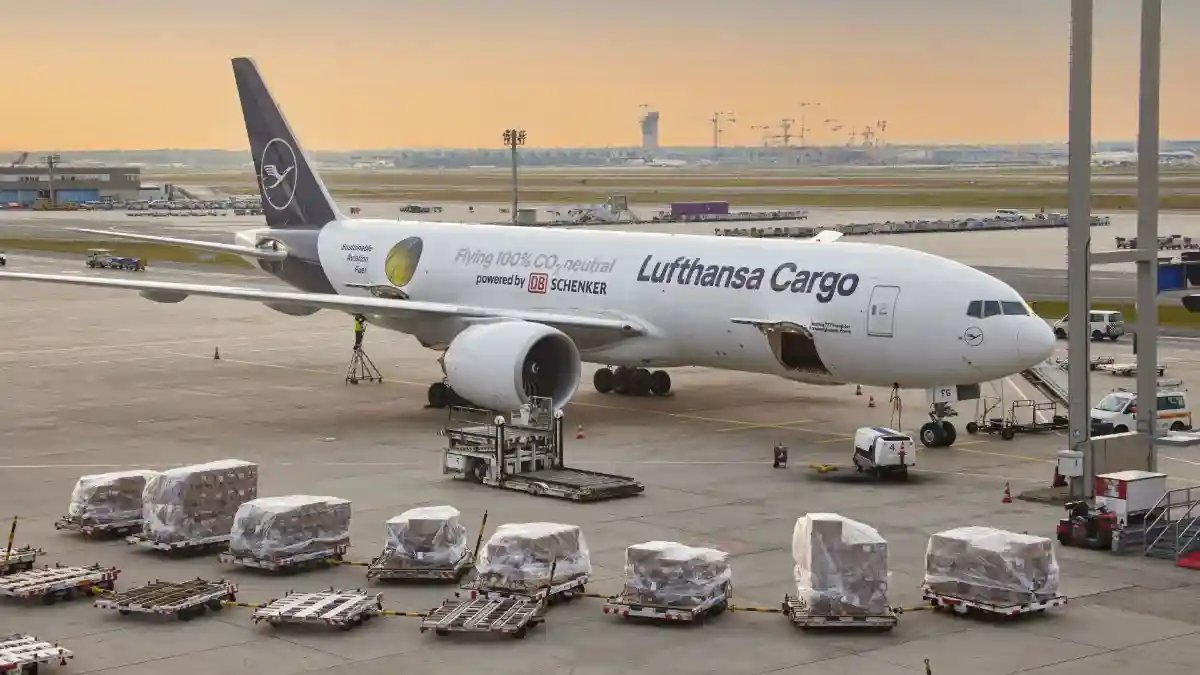
Boeing also plans to introduce the 777-8 Freighter, replacing aging Boeing 747 freighters while offering substantial improvements in efficiency.
Global cargo demand continues expanding, particularly due to e-commerce growth and international logistics.
The aircraft promises:
- Reduced fuel consumption
- Lower emissions
- Excellent payload capability
- Long-range performance
- Modern flight deck technology
However, certification delays affecting the passenger variants have also postponed the freighter program.
Meanwhile, Airbus is advancing with its competing A350F.
Although cargo operators remain interested in next-generation large freighters, Boeing’s delayed schedule has again allowed Airbus to strengthen its competitive position.
The Economics Have Changed Since the Pandemic
COVID-19 permanently reshaped airline planning.
Rather than pursuing maximum capacity, airlines increasingly emphasize flexibility and resilience.
Demand recovery has varied widely across international markets, making oversized aircraft less attractive.
Modern fleet planning now prioritizes aircraft capable of serving multiple mission profiles rather than only the busiest trunk routes.
The Boeing 787 and Airbus A350 excel under these conditions because they can profitably operate both premium business routes and leisure-focused international services.
The Boeing 777X remains optimized for exceptionally strong demand between major global hubs—a market segment that has recovered unevenly.
Could US Airlines Eventually Order the Boeing 777X?
The absence of current orders does not necessarily mean American airlines will never purchase the Boeing 777X.
Fleet planning evolves continuously.
As older Boeing 777-200ERs and 777-300ERs approach retirement during the 2030s, airlines may revisit the aircraft if several conditions improve.
Boeing would likely need to demonstrate:
- Reliable certification
- Stable production schedules
- Consistent delivery performance
- Proven operational reliability
- Competitive operating economics
If passenger demand on major international routes continues growing over the next decade, larger aircraft could once again become attractive for selected markets.
However, today’s airline economics strongly favor flexibility over sheer size.
The Boeing 777X Is an Extraordinary Aircraft Looking for the Right Customers
The Boeing 777X represents one of the most technologically advanced commercial aircraft ever developed. Its enormous composite wings, powerful GE9X engines, folding wingtips, and exceptional range position it as the natural successor to the world’s largest twin-engine aircraft.
Its problem has never been technological ambition.
Instead, the aircraft arrived during a period when airline strategies were shifting toward smaller, more flexible fleets.
US airlines have concluded that aircraft like the Boeing 787 and Airbus A350 better match their route structures, financial priorities, and long-term growth strategies. Existing Boeing 777 fleets also remain young enough to delay replacement decisions, while years of certification setbacks have reduced confidence in Boeing’s delivery timeline.
International airlines with massive connecting hubs continue to view the Boeing 777X as the ideal flagship capable of replacing aging Boeing 747s and Airbus A380s. For them, the aircraft’s extraordinary capacity translates directly into lower costs per seat on heavily traveled intercontinental routes.
Unless the economics of global aviation shift again, the Boeing 777X will likely remain a specialized aircraft tailored to airlines whose networks can consistently support one of the largest and most capable twinjets ever built. For America’s largest passenger carriers, bigger simply is not better—at least not yet.