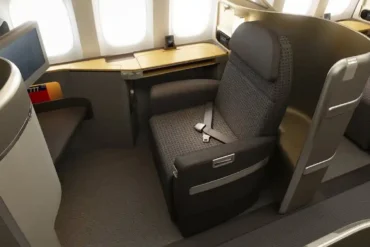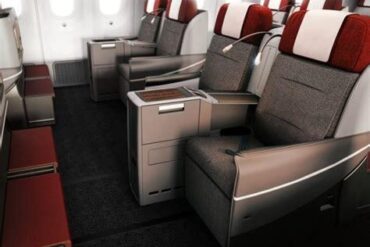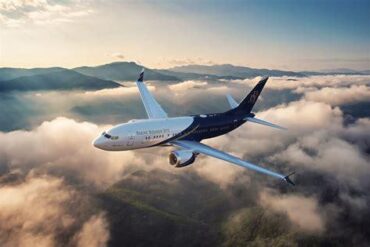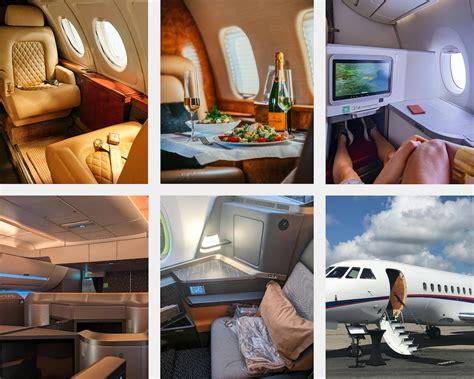
The idea of first class air travel still carries a powerful image—champagne flutes, white tablecloth dining, and a level of service that feels closer to a five-star hotel than a commercial flight. Yet, increasingly, frequent flyers are voicing a shared frustration: first class simply doesn’t feel as special as it once did. What was once the pinnacle of aviation luxury is now, in many cases, overshadowed by something else entirely.
This shift is not accidental. It reflects a deeper transformation in airline economics, passenger expectations, and cabin design strategy. The result is a new reality where business class has quietly taken over as the true flagship product, while first class either disappears or evolves into something far more niche.
The Golden Age of First Class Travel Still Shapes Expectations
For decades, first class represented the ultimate travel experience. During the late twentieth century, airlines treated these cabins as showcases of prestige, competing not just on transportation, but on luxury and exclusivity. Passengers weren’t just flying—they were participating in an experience carefully crafted to impress.
Widebody aircraft like the Boeing 747 made this possible. With abundant space, airlines could dedicate entire sections of the aircraft to first class without compromising overall capacity. Seats were massive, often resembling armchairs more than airline seating, and service was deeply personalized thanks to a low passenger-to-crew ratio.
Dining was equally extravagant. Multi-course meals were plated on porcelain, paired with premium wines or champagne, and served with an attention to detail that rivaled fine dining restaurants. The atmosphere was quiet, spacious, and distinctly elite.
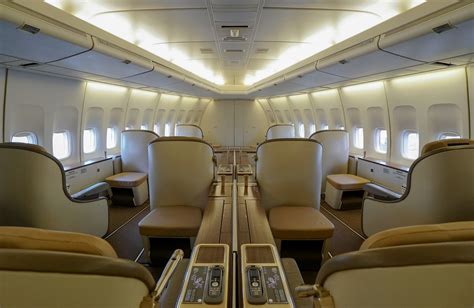
That era created a lasting benchmark. Even today, when travelers book first class, they subconsciously expect that same level of space, exclusivity, and indulgence. The problem is that modern aviation has moved in a very different direction—one driven less by glamour and more by efficiency.
The Rise of Business Class as the New Luxury Standard
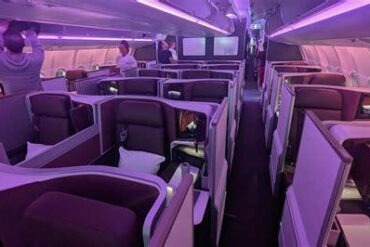
If first class feels diminished, it’s largely because business class has become dramatically better. Over the past two decades, airlines have poured resources into upgrading business cabins, transforming them into highly competitive premium products.
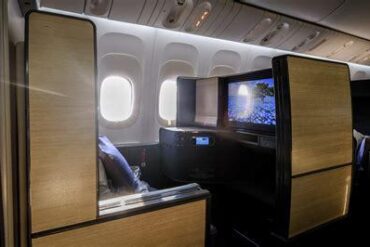
Modern business class suites now include:
- Fully lie-flat beds
- Direct aisle access for every passenger
- High-definition entertainment systems
- Sliding privacy doors on select airlines
These features were once exclusive to first class. Today, they are standard in many business cabins across long-haul fleets.
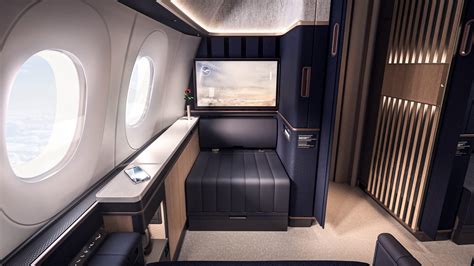
The result is a narrowing gap between the two classes. For many travelers, the difference between business and first class is no longer dramatic enough to justify the steep price difference. In some cases, the distinction feels almost symbolic.
Airlines recognize this shift. By investing in business class, they can deliver a premium experience to a larger group of passengers—without dedicating excessive space to a small number of ultra-luxury seats.
The Economics Behind the Decline of First Class
Airlines are not sentimental businesses. Every square meter of cabin space must generate revenue, and first class is notoriously inefficient in this regard.
A single first-class seat can occupy the same footprint as two or even three business-class seats. That’s a significant trade-off, especially on long-haul routes where demand for premium travel is strong but price sensitivity still exists.
From a financial perspective, replacing first class with business class offers several advantages:
- More seats to sell at premium prices
- Higher overall revenue per flight
- Better alignment with corporate travel policies
Corporate travel plays a crucial role here. Many companies are willing to pay for business class on long flights, but far fewer approve first-class fares. This creates a natural ceiling on demand for first class, making it harder for airlines to justify maintaining the product.
The math is simple, even if the emotional impact is not: more business-class seats equal more consistent revenue.
Why Major Airlines Are Eliminating First Class
The shift away from first class is particularly evident among major global carriers. Airlines that once championed international first class are now quietly phasing it out.
Delta Air Lines and United Airlines have already eliminated international first class entirely. Instead, they focus on premium business products like Delta One and United Polaris—both designed to deliver comfort, privacy, and consistency.
American Airlines is following a similar path, replacing its first-class cabins with expanded business-class suites. The message is clear: business class is no longer a middle tier—it is the main event.
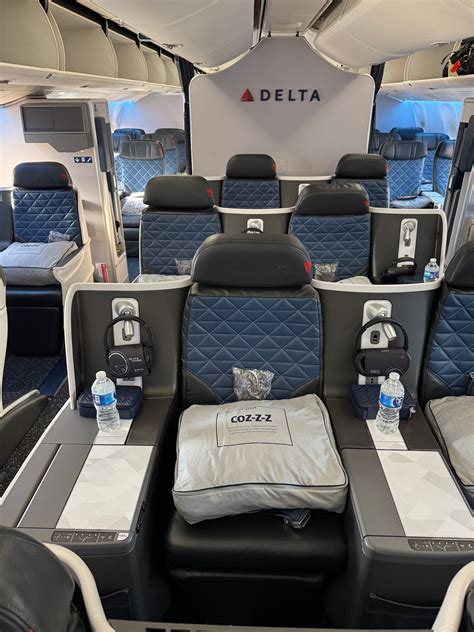
Globally, airlines such as Air New Zealand and Turkish Airlines have also moved away from first class, choosing to invest in larger, more advanced business cabins instead. This is not a coincidence—it’s an industry-wide recalibration.
Even airline executives have openly questioned the value of first class. When top decision-makers begin to see redundancy in a product, its long-term survival becomes uncertain.
Changing Passenger Priorities Are Reshaping Premium Travel
The modern traveler is not the same as the traveler of decades past. While luxury still matters, the definition of luxury has evolved.
Today’s passengers often prioritize:
- Privacy over open space
- Connectivity over ceremony
- Efficiency over extravagance
Instead of elaborate meal presentations, travelers value reliable Wi-Fi, personal space, and the ability to sleep comfortably or work productively. Airlines have responded accordingly, designing cabins that reflect these priorities.
At the same time, the rise of premium economy has added a new layer to the cabin hierarchy. Positioned between economy and business class, it offers enhanced comfort at a more accessible price point. This further reduces the need for a distinct first-class tier.
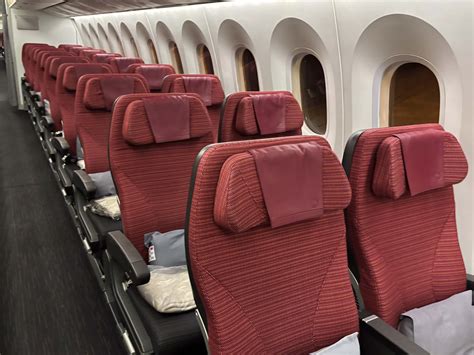
As a result, the entire structure of commercial aviation cabins has shifted. The old three-tier model—economy, business, first—is being replaced by a more nuanced system where business class sits at the top for most airlines.
Service Standards: A Subtle but Noticeable Decline
One of the more controversial aspects of this transformation is the perception that service quality in first class has declined. While some airlines still deliver exceptional experiences, others struggle to differentiate their service from business class.
Frequent flyers often point to inconsistencies:
- Less personalized attention
- Similar meal offerings across premium cabins
- Reduced exclusivity due to higher passenger volumes
When the service gap narrows, the justification for first-class pricing becomes harder to defend. Travelers begin to question whether they are paying for a genuinely superior experience—or simply a legacy label.
This perception matters. In luxury markets, perceived value is just as important as actual value, and once that perception erodes, rebuilding it is difficult.
First Class Isn’t Gone—It’s Becoming Ultra-Niche
Despite its decline, first class is not disappearing entirely. Instead, it is evolving into something far more exclusive.
Airlines like Emirates and Qatar Airways continue to invest heavily in ultra-luxury first-class products. These cabins feature private suites, onboard showers (in Emirates’ case), and highly personalized service that goes far beyond what most business-class cabins offer.
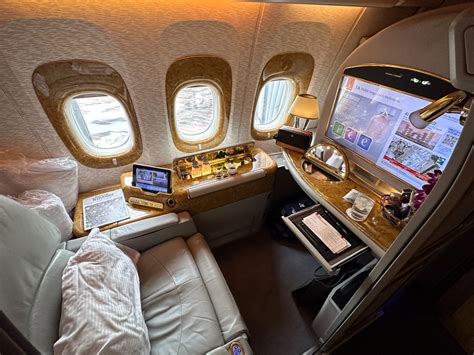
However, these offerings are the exception rather than the rule. They serve as brand statements—designed to elevate an airline’s image rather than generate mass-market revenue.
In this sense, first class is returning “in disguise”. Instead of being a standard offering across fleets, it is becoming a specialized product reserved for select routes, aircraft, and clientele.
The New Reality of Premium Air Travel
The transformation of first class reflects a broader shift in aviation strategy. Airlines are no longer chasing prestige for its own sake—they are optimizing for profitability, demand, and scalability.
Business class has emerged as the ideal balance. It offers enough luxury to satisfy premium travelers while remaining financially viable for airlines. First class, by contrast, struggles to justify its existence in a market that values efficiency as much as experience.
For passengers, this creates a mixed outcome. On one hand, business class today is better than first class was decades ago in many practical ways. On the other, the sense of occasion—the glamour, the exclusivity, the unmistakable “wow” factor—has undeniably faded.
Why Flyers Feel the Difference So Strongly
The emotional response from travelers is not just about seats or meals—it’s about expectations. First class was never just a product; it was an idea. It represented the best that commercial aviation could offer.
When that idea becomes diluted, even slightly, people notice.
The reality is that first class hasn’t disappeared—it has been redefined. For some, that means losing a piece of aviation’s golden age. For others, it means gaining access to a more practical, widely available form of luxury through business class.
Either way, the skies are no longer divided the way they once were. And for many flyers, that’s exactly why first class doesn’t feel like first class anymore.