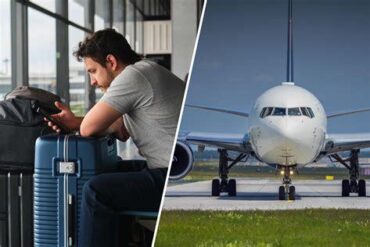
Air travel has reached a strange point in its evolution where it is safer, faster, and more accessible than at almost any time in history, yet increasingly described by passengers as mentally and physically draining. What used to feel like the beginning of a journey now often feels like a test of patience before the trip even begins. The modern flying experience is shaped by a dense mix of security procedures, crowded infrastructure, and tightly optimized cabin designs that leave little room for comfort. For many travelers, the experience is no longer just inconvenient—it feels relentlessly compressed from every direction.
At the same time, flying has become so essential that opting out is rarely realistic. Whether it’s short regional hops or intercontinental journeys, air travel has become the default backbone of global mobility. That dependence intensifies every flaw in the system. When delays occur, when seats feel tighter than expected, or when airport queues stretch longer than the available time before boarding, the frustration is amplified because there is no comparable alternative that matches speed and distance coverage.
What makes this situation more noticeable today is the contrast with the past. Older generations remember a time when flying carried a sense of occasion, even luxury, while today’s experience resembles a high-throughput transportation pipeline. The shift is not accidental—it reflects decades of cost optimization, rising passenger volumes, and infrastructure struggling to keep pace. The result is a system that still works efficiently in a technical sense, but often feels emotionally exhausting to navigate.
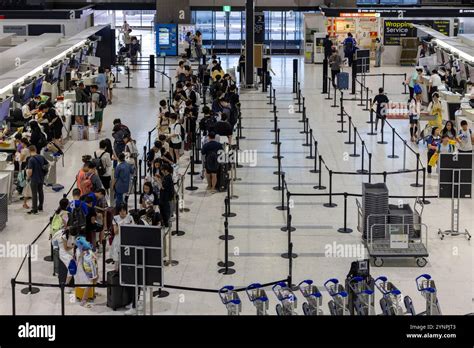
Airport Security and Ground-Level Friction That Shapes the Entire Journey
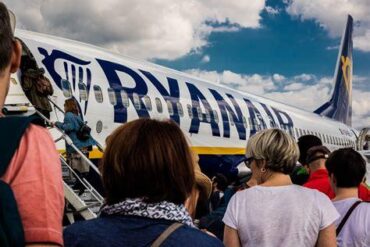
The most immediate source of stress for many passengers begins long before the aircraft leaves the ground. Airports today operate as highly controlled environments, and security screening is one of the most time-consuming parts of the process. While designed to ensure safety, procedures often create bottlenecks that shape the traveler’s mood from the start. Even experienced flyers tend to approach the security hall with a sense of anticipation mixed with resignation.
Much of this friction comes from volume. Passenger traffic has increased dramatically over the decades, while staffing and processing systems have not always scaled at the same pace. As a result, even routine screening lanes can become congested during peak hours. Programs designed to speed things up, such as expedited screening lanes, do help certain travelers, but their effectiveness is diluted as more people enroll in them. The advantage becomes less about skipping the line entirely and more about joining a slightly faster-moving one.
International travel adds another layer. Customs processing, especially in major hubs, can feel unpredictable. After a long-haul flight, standing in another queue can be physically draining, particularly when fatigue and jet lag are already setting in. Even when systems work as intended, the cumulative effect of waiting, scanning, and rechecking documents contributes to a sense of procedural fatigue that defines modern travel.
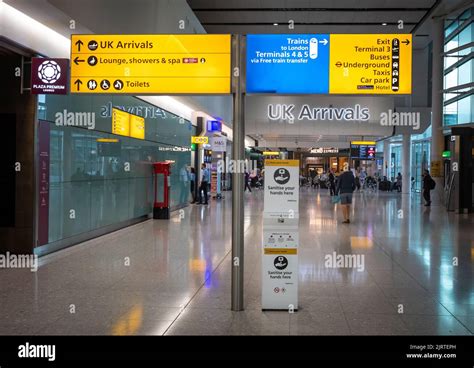
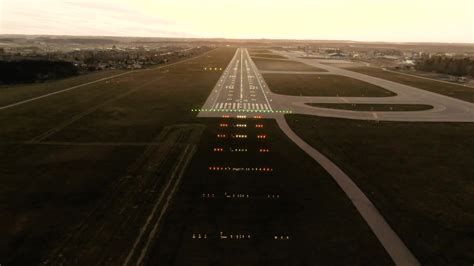
Delays, Air Traffic Constraints, and the Fragility of the Network
Once passengers reach the gate, the expectation is often that the hardest part is over, but modern aviation has another challenge: timing instability. Flight delays have become a familiar part of the travel experience, not because airlines are careless, but because the system operates with extremely tight margins. Air traffic control networks in many regions function near maximum capacity during peak travel periods, leaving little room for disruption.
When staffing shortages occur, the effects ripple quickly. A single missing controller or reduced staffing shift can limit how many aircraft an airport can safely handle, creating cascading delays across departure and arrival schedules. This fragility is not always visible to passengers, but it is deeply felt when boarding times shift repeatedly or when aircraft sit on the tarmac waiting for clearance. From the traveler’s perspective, it can feel like time is being spent in limbo rather than in motion.
Infrastructure plays a major role as well. Many airports were designed in earlier decades when passenger volumes were significantly lower. Taxiways, gates, and terminal layouts were never intended for the current intensity of operations. The result is congestion not only in the air but on the ground, where aircraft sometimes queue for takeoff or wait for gate availability after landing. This creates a layered experience of delay that stretches the journey far beyond scheduled flight time.
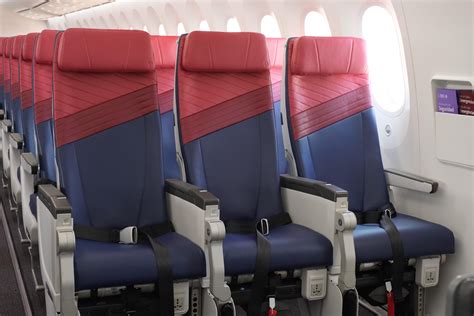
Economy Seating and the Shrinking Personal Space Problem
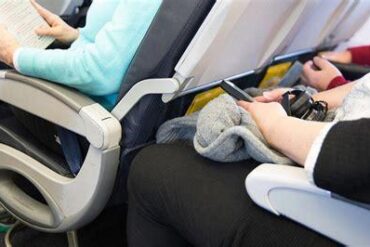
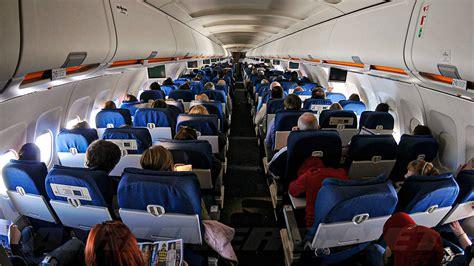
Inside the cabin, another dimension of discomfort emerges. Economy seating has gradually become more compact over time, driven by airline strategies focused on efficiency and cost management. Seat pitch has decreased compared to earlier decades, and while aircraft design has improved in many ways, personal space remains one of the most noticeable trade-offs for passengers.
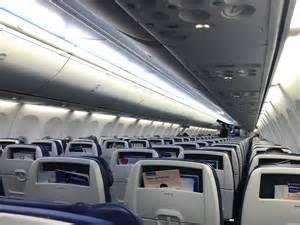
Modern economy cabins often prioritize density. Aircraft that once featured more spacious configurations now accommodate additional rows, increasing overall capacity. While this allows airlines to offer more competitive pricing, it also means passengers are seated closer together than in earlier eras of jet travel. The experience can feel particularly restrictive on long-haul flights, where hours of limited movement amplify even small inconveniences.
Physical comfort is only part of the issue. The psychological effect of proximity also matters. When personal space is reduced, small interactions—such as adjusting an armrest or shifting in a seat—become more noticeable. Window seats can feel especially enclosed, while middle seats often intensify the sense of constraint. Even though seat design has improved ergonomically in many respects, including better cushioning and entertainment systems, the reduction in space remains difficult to ignore.
The Paradox of Modern Flying: Less Comfort, More Access
Despite the frustrations, modern air travel carries an important contradiction. While comfort has decreased in some areas, accessibility has expanded dramatically. Flying is no longer reserved for a small segment of society; it is now a mainstream mode of transportation. Ticket prices, adjusted for inflation, are often significantly lower than they were decades ago, opening global travel to millions of new passengers.
This democratization of flight has reshaped expectations. Airlines now serve a far broader demographic, each with different needs, budgets, and tolerance levels for discomfort. The result is a highly segmented industry where economy, premium economy, business, and first class coexist as distinct products rather than variations of a single experience. Each tier reflects a different balance between cost and comfort.
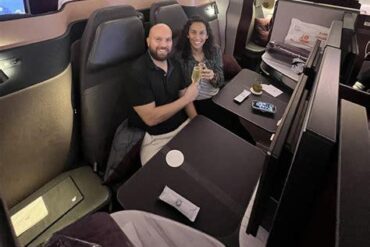
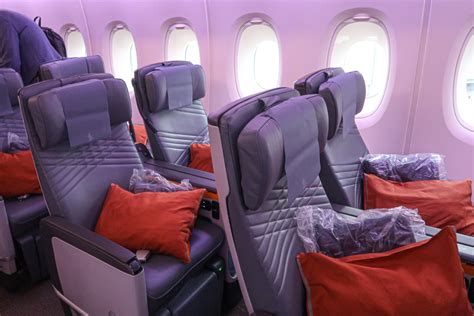
Interestingly, this stratification also creates a psychological contrast during travel. Passengers walking through premium cabins on their way to economy seating are immediately reminded of what additional comfort looks like. At the same time, those who choose premium options often describe the experience as closer to the “golden age” of travel, suggesting that comfort has not disappeared—it has simply become a purchasable upgrade rather than a default feature.
The Emotional Weight of Modern Travel Experience
Beyond physical discomfort, there is an emotional layer that shapes how passengers perceive flying today. Stress accumulates from multiple touchpoints: arriving early, navigating security, waiting in terminals, managing delays, and finally settling into a constrained cabin space. Each stage adds a small amount of cognitive load, and by the time the aircraft reaches cruising altitude, many passengers feel mentally depleted.
This emotional fatigue is often underestimated. Travel is not just a logistical process; it is a sequence of transitions that require constant adjustment. The lack of predictability—whether a gate change or a delay announcement—adds a sense of uncertainty that amplifies stress. Even frequent flyers, who are accustomed to the system, acknowledge that the experience requires a level of patience that can feel disproportionate to the distance being traveled.
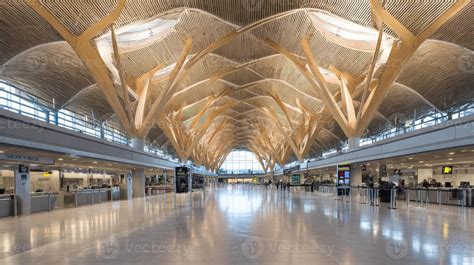
Still, the industry is not static. Airlines and airports continue to invest in improvements such as upgraded terminals, more efficient boarding systems, and better onboard connectivity. These developments aim to reduce friction and restore some of the ease that earlier generations associated with flying. The challenge lies in balancing growth with comfort, especially as passenger demand continues to rise globally.
Conclusion: A System That Works, But Feels Heavier Than It Should
Air travel today exists in a tension between efficiency and experience. It functions at an extraordinary global scale, connecting cities and continents with remarkable reliability, yet the individual journey often feels compressed, crowded, and mentally taxing. The discomfort does not stem from a single cause but from a convergence of factors—security complexity, infrastructure strain, cabin density, and scheduling pressure.
What makes the experience particularly striking is that none of these elements exist in isolation. Each stage of the journey influences the next, creating a chain reaction of fatigue that builds from curbside check-in to final landing. And because flying has become essential rather than optional for many travelers, the tolerance for inconvenience has grown even as expectations for comfort remain high.
Even so, modern aviation continues to evolve. New aircraft designs, improved terminal layouts, and evolving service models suggest that the experience is still being refined rather than fixed. The future of air travel will likely continue to balance two competing forces: the need to move more people efficiently and the desire to make that movement feel less burdensome.