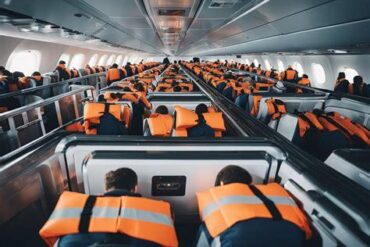
Air travel was once considered an event. People dressed carefully, arrived early with a sense of anticipation, and treated boarding as a ritual rather than a logistical battle. Today, millions still rely on aviation as the safest and fastest form of long-distance transportation, yet a growing chorus of passengers insists that flying feels increasingly stressful, crowded, and unpredictable. The question echoes across social media threads, airport lounges, and news reports: is air travel truly becoming unbearable, or are expectations simply colliding with modern aviation economics?
The reality is more complex than nostalgia suggests. Flights are more accessible than ever before. Fares, adjusted for inflation, are often lower than in previous decades. Routes connect secondary cities that once required days of travel. Aircraft are technologically advanced, fuel-efficient, and extraordinarily safe. Yet alongside these achievements, discomfort has become part of the narrative. Complaints about shrinking seat pitch, rising fees, unruly passengers, and endless queues have reshaped public perception.
The aviation ecosystem is under immense pressure. Passenger volumes are surging globally, airports are operating near capacity, and airlines function within razor-thin margins. Efficiency has replaced extravagance. Speed has replaced ceremony. In that transition, something intangible may have been lost—at least in the eyes of some flyers.
The Evolution of Air Travel: From Glamour to Gridlock
In the mid-20th century, flying was marketed as aspirational. Advertising depicted polished cabins, silverware meals, and passengers in tailored suits. The economics of the time supported that image because fewer people could afford to fly. Airlines competed on service and prestige.
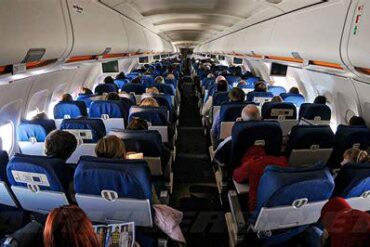
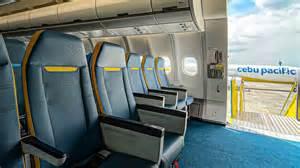
Modern aviation democratized travel. Low-cost carriers disrupted pricing models. Yield management systems optimized seat revenue down to the last dollar. Aircraft cabins were redesigned to maximize capacity. Seat pitch—the distance between one seat and the seat in front—gradually tightened in economy cabins. To an accountant, those inches represented viability. To a passenger on a ten-hour flight, they represent the difference between tolerable and punishing.
Meanwhile, average body sizes in many countries have increased. That demographic shift has intensified discomfort in confined cabins. When personal space shrinks and bodies expand, friction is almost guaranteed. The airplane cabin has become a social experiment at 35,000 feet, where strangers share oxygen, armrests, and patience.
Shrinking Seats and the Battle for Personal Space
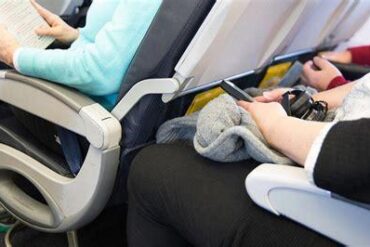
Personal space is one of the most emotionally charged aspects of modern flying. Flyers frequently describe feeling pressed against walls, elbows, or seatbacks. Middle-seat passengers often argue that they deserve both armrests, while aisle-seat travelers guard legroom as if it were sovereign territory.
Airlines generally maintain a consistent policy: passengers must fit within a single seat with both armrests lowered. When that is not possible, many carriers advise purchasing a second seat or upgrading to a premium cabin. From a policy standpoint, this is straightforward. From a financial standpoint, it can be unrealistic for many travelers.
The frustration is not always about inches; it is about control. In a space where autonomy is limited—no ability to leave, no ability to open a window, no ability to adjust cabin temperature—small invasions feel magnified. A reclining seat becomes a provocation. A stranger leaning across to photograph clouds feels intrusive. A loud headset transforms into a public disturbance.
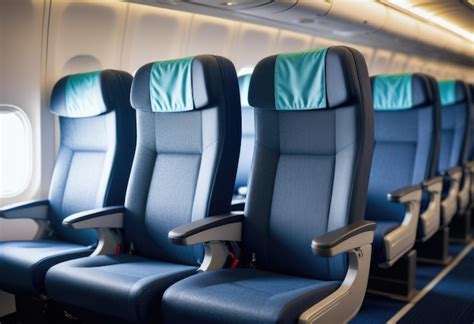
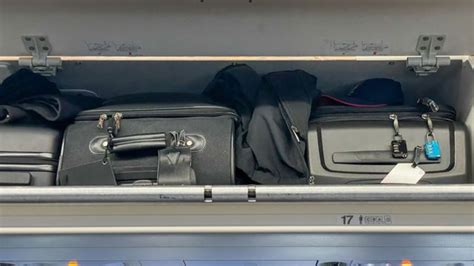
The aircraft cabin is a shared environment governed by etiquette as much as regulation. Lowered armrests, moderate headphone volume, mindful seat reclining, and awareness of overhead bin space are small acts that collectively determine whether a flight feels civil or chaotic.
Dressing for the Cabin: Comfort, Safety, and Perception
The conversation about civility in air travel has extended to clothing. Public officials and etiquette experts have urged passengers to dress with consideration for shared spaces. The argument is not about formality; it is about context.
From a safety perspective, certain clothing choices are objectively wiser. Natural fibers such as cotton or wool are less likely to melt onto skin in extreme heat. Long sleeves and trousers provide additional protection in unlikely evacuation scenarios. Flat, secure shoes are practical in case of emergency egress. High heels, for instance, can puncture evacuation slides and create hazards during rapid exits.
From a social standpoint, clothing communicates intent and awareness. Offensive slogans, excessive perfume, or attire designed solely for private settings can heighten tension in already confined environments. Aviation places hundreds of individuals from diverse backgrounds into a sealed tube for hours. Courtesy, including how one presents oneself, can reduce friction.
That said, comfort remains essential. Layering is practical due to fluctuating cabin temperatures. Elevated casual attire—comfortable yet presentable—has emerged as a middle ground between nostalgia for glamour and the realities of long-haul endurance.
The Rise of Unruly Passengers: A 400% Surge in Disruptions
If there is one factor that has tangibly altered the flying experience, it is the increase in disruptive behavior onboard. Data from aviation authorities has shown dramatic spikes in inflight disturbances since 2019. Reports include verbal altercations, physical aggression, refusal to comply with crew instructions, and alcohol-fueled incidents.
Flight attendants have reported significant increases in confrontations, with some surveys indicating that nearly one in five experienced physical incidents during peak periods of disruption. European regulators have similarly documented a rise in serious unruly passenger cases, with incidents occurring as frequently as one in every few hundred flights during certain years.
These incidents are not minor inconveniences. An unruly passenger can force a flight diversion, costing airlines tens of thousands of dollars. Fines can reach up to $37,000 in some jurisdictions, not including criminal charges or restitution for diversion costs. Diversions also disrupt hundreds of other travelers and ripple through tightly scheduled networks.
Alcohol, medication interactions, stress, and personal conflicts often contribute to escalations. At cruising altitude, even a trivial disagreement can intensify rapidly. The confined environment amplifies emotion. Crew members, whose primary responsibility is safety—not hospitality—must intervene decisively.
For many passengers, the anxiety of witnessing or anticipating such behavior contributes to the perception that flying has become volatile.
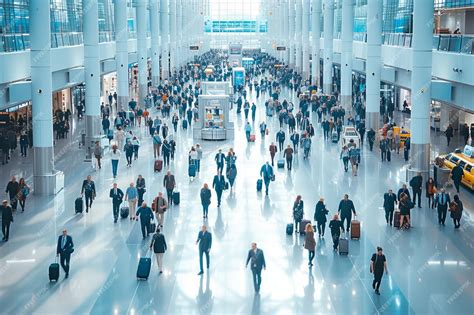
Airport Congestion and Post-Pandemic Staffing Gaps
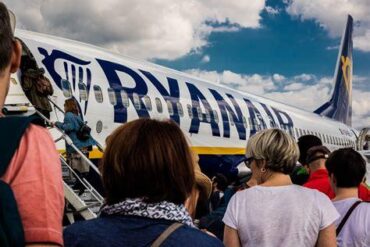
Beyond the cabin, airports themselves have become pressure points. Passenger numbers have rebounded sharply, in some regions exceeding pre-pandemic levels. However, staffing levels have not always kept pace. Security checkpoints, baggage handling operations, and ground services remain vulnerable to shortages.
After large-scale layoffs during global shutdowns, rehiring and retraining proved slower than demand recovery. The result: long security lines, delayed baggage delivery, gate changes, and last-minute cancellations.
Security procedures introduced after major global security events have added layers of screening. While designed for protection, they also increase processing time. For frequent flyers, repeated exposure to these procedures can feel invasive and exhausting, even if statistically justified.
Airports are complex ecosystems. A weather disruption in one hub can cascade across continents. When aircraft rotations are tightly scheduled, a single delay compounds rapidly. Passengers experience these systemic vulnerabilities as personal inconvenience.
Economics of Efficiency: Cheaper Tickets, Fewer Perks
Airlines operate on narrow profit margins. Fuel costs fluctuate, labor agreements evolve, and aircraft acquisition is capital-intensive. To maintain competitive fares, carriers have unbundled services. Checked baggage fees, seat selection charges, onboard meals, and priority boarding now represent ancillary revenue streams.
Passengers accustomed to all-inclusive fares may interpret these changes as nickel-and-diming. From the airline’s perspective, unbundling allows base fares to remain lower while offering optional upgrades.
Cabin densification—adding more seats to the same fuselage—improves revenue per flight. Yet each added row narrows legroom. The tradeoff between affordability and comfort is structural, not accidental.
Premium economy cabins and upgraded seating categories have proliferated in response. Travelers seeking more space can pay for it. The segmentation of comfort has intensified the sense of disparity onboard, particularly when premium cabins appear serene while economy feels compressed.
Safety Remains High, Even Amid Complaints
Despite the complaints, aviation safety metrics remain extraordinarily strong. Commercial air travel continues to be statistically safer than driving. Aircraft systems are redundant by design. Pilot training standards are rigorous. Maintenance protocols are strictly regulated.
Turbulence, sometimes perceived as worsening, is a natural atmospheric phenomenon. Research suggests that climate change may influence certain turbulence patterns, but aircraft are engineered to withstand forces far beyond what passengers typically experience. Severe turbulence injuries are rare and often preventable with consistent seatbelt use.
Media coverage of accidents or incidents can amplify fear. However, the sheer volume of daily flights—tens of thousands globally—places isolated events into perspective.
Etiquette, Respect, and the Psychology of Shared Space
At its core, the debate over unbearable air travel is partly psychological. Humans evolved for open environments, not pressurized aluminum cylinders. When confined, social norms become critical stabilizers.
Small gestures—saying thank you to crew members, respecting boarding order, controlling noise, keeping feet off shared surfaces—have disproportionate impact. Middle-seat passengers generally benefit from access to both armrests. Overhead bins function more smoothly when travelers use under-seat storage when possible. Reclining seats gradually rather than abruptly preserves neighborly peace.
Personal hygiene matters in close quarters. Strong-smelling food, heavy fragrances, or barefoot wandering in lavatories erode collective comfort. None of these behaviors are regulated by federal law, yet they define the lived experience of flight.
The cabin is a temporary society with limited enforcement mechanisms beyond crew authority. When mutual respect declines, tension rises. When courtesy prevails, even a cramped cabin can feel manageable.
So, Is Air Travel Becoming Unbearable?
The evidence suggests that flying is not universally unbearable, but it is undeniably more strained. Accessibility has increased. Passenger volume has surged. Infrastructure and staffing have struggled to adapt in real time. Economics have favored efficiency over indulgence.
For some travelers—particularly those who remember a more ceremonious era—the shift feels like a downgrade. For others who value affordable global mobility, the tradeoff is acceptable.
The discomfort narrative is amplified by social media, where negative experiences travel faster than smooth flights. Millions of uneventful journeys occur daily without trending hashtags.
Air travel today is a paradox. It is safer than ever, yet often feels more stressful. It is more affordable, yet sometimes less comfortable. It connects the world, yet compresses strangers into intimate proximity.
Whether it becomes unbearable depends partly on systemic improvements—staffing, infrastructure investment, smarter boarding processes—and partly on individual behavior. Civility costs nothing. Patience is not billed as an ancillary fee. Respect does not require an upgrade.
The airplane cabin remains one of humanity’s most extraordinary achievements: a machine that lifts hundreds of people above the clouds and delivers them across continents in hours. Its challenges are real, but so is its marvel. The future of flying may not resemble the golden age of glamour, yet with thoughtful adaptation—from airlines and passengers alike—it does not have to descend into chaos.