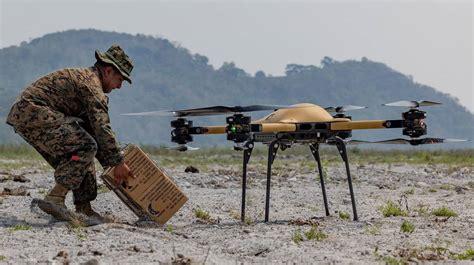
Drones have dramatically altered the modern battlefield, emerging as a critical threat to even the most heavily armored vehicles. As these aerial platforms become increasingly sophisticated, their ability to bypass traditional frontal and side armor makes effective roof protection a pressing concern for tank designers. The United States, like other advanced militaries, is exploring a range of solutions to shield its armored forces from top-attack threats.
The Evolving Threat of Drone Warfare
With the proliferation of small, agile drones capable of delivering precision-guided munitions, traditional tanks and armored vehicles face a new kind of vulnerability. Unlike conventional anti-tank weapons that strike from the side or front, drones can exploit the thinner, often less-protected roof armor, delivering catastrophic hits that can disable or destroy even the most formidable vehicles. The Russian-Ukrainian conflict has vividly demonstrated the impact of these low-cost, high-impact threats, prompting a global reassessment of armor design.
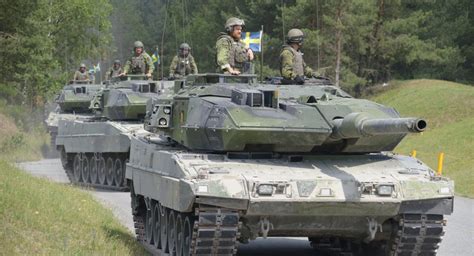
One notable example is the Strv 122, a Swedish variant of the Leopard 2, which incorporates significant roof enhancements. Its reinforced turret hatch, boasting 200–300 mm of equivalent protection, provides a stark contrast to many Western designs that historically prioritized frontal and side armor. This focus on roof protection has become increasingly relevant as drones have shifted the balance in armored warfare.
Modular Roof Armor Solutions: Lessons from the Strv 122 and Merkava Mk4
The Swedish Strv 122 is a prime example of a tank that has adapted to these evolving threats. Beyond its heavy turret roof, this variant also features modular spaced armor kits that can be rapidly installed in the field, offering flexibility for varying threat levels. This approach reflects a broader trend toward modular, field-adaptable protection that allows crews to adjust their vehicles based on the anticipated intensity of drone threats.
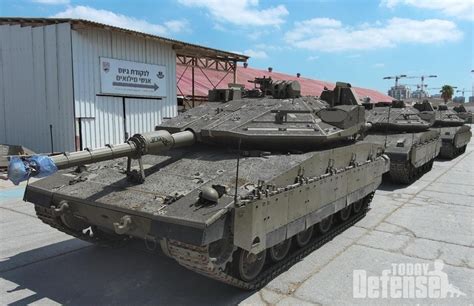
Israel’s Merkava Mk4 also offers valuable insights. Its combat experience has shown that lightweight cage armor, rather than thick, rigid plates, can be more effective against drone-dropped grenades. These lightweight roofs are designed to absorb and disperse the explosive force, reducing the likelihood of catastrophic penetration. This approach suggests that the future of roof armor may favor flexible, energy-dispersing designs over purely thick, monolithic plating.
Soft-Kill Countermeasures: Jamming and Electronic Warfare
In addition to physical armor, electronic countermeasures are becoming a critical component of drone defense. Systems like the Trophy Active Protection System (APS), already proven against incoming anti-tank guided missiles, can be adapted to detect and disrupt drones. By integrating radar systems that can identify the low, slow signatures of drones, these systems can potentially trigger onboard jammers, disrupting the control signals of FPV (first-person view) and consumer drones.
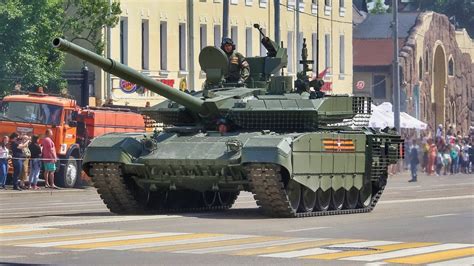
Moreover, systems like Israel’s “EnforceAir” can hijack incoming drone signals, seizing control and redirecting the threat. Russian forces have also experimented with individual jammers, colloquially known as “nipples,” mounted on tanks like the T-90M and T-80BVM. These devices create localized dead zones, effectively blinding drone sensors within a 400-meter radius, though their effectiveness against autonomous or computer-vision-guided drones remains limited.
Hard-Kill Solutions: Interceptors and Point-Defense Systems
While soft-kill measures offer a degree of passive protection, they cannot fully replace the reliability of hard-kill systems. These include small, upward-facing interceptors that can physically destroy incoming drones before they strike. Systems like Iron Fist, which deploy vertical interceptors, and other anti-drone munitions provide this direct kinetic defense.
Moreover, integrating point-defense systems akin to naval CIWS (Close-In Weapon Systems) on land vehicles is becoming a serious consideration. This includes rapid-firing autocannons, miniguns, and even directed-energy weapons like high-power lasers. U.S. platforms like the Stryker M-SHORAD and LAV-AD are already exploring these options, demonstrating their ability to rapidly engage low-flying, fast-moving aerial targets.
Future Directions: Integrated Protection for Next-Generation Tanks
The future of armored warfare will likely demand a blend of both active and passive defenses. New U.S. tank concepts, including the M1E3 and Abrams X, are exploring revolutionary designs such as unmanned turrets, hull-crew layouts, and integrated top-attack defenses. These innovations aim to address the unique challenges posed by drones, combining advanced armor with cutting-edge electronic warfare capabilities.
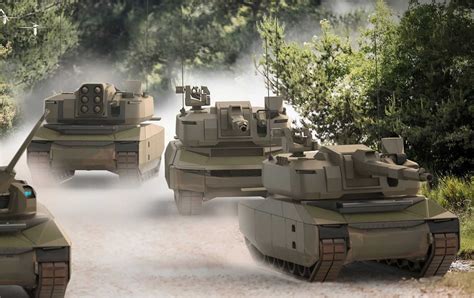
Additionally, emerging technologies like interceptor drones and composite roof kits offer potential breakthroughs, balancing the need for protection with the constraints of weight and mobility. As the battlefield continues to evolve, these hybrid approaches will likely define the next generation of armored vehicles.
In conclusion, while the U.S. currently lacks a direct equivalent to the Strv 122’s heavy roof armor, ongoing research and development efforts are poised to close this gap. By integrating modular, flexible armor with advanced soft- and hard-kill countermeasures, American armored forces are positioning themselves to meet the challenges of the drone-dominated battlefields of the future.




![Big Drones & Heavy Lift Drones: A Comprehensive Guide for Drone Pilots [New for 2025]](https://boltflight.com/wp-content/uploads/2025/05/big-drones-heavy-lift-drones-comprehensive-guide-drone-pilots-new-2025-370x247.jpg "Big Drones & Heavy Lift Drones: A Comprehensive Guide for Drone Pilots [New for 2025]")