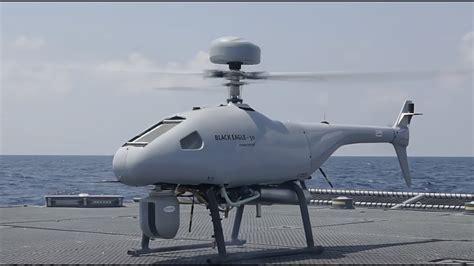
Gas-powered drones, despite offering a potentially longer flight time than electric-powered drones, have faced significant hurdles in achieving widespread adoption in the commercial and hobbyist drone markets. The evolution of drone technology, driven by electric power and the advantages it provides, has left gas-powered drones relegated to niche applications and larger-scale vehicles. In this article, we delve into the technical and practical reasons why gas-powered drones are not a common sight today and why electric drones have become the dominant force in the industry.
The Appeal of Gas-Powered Drones
At first glance, gas-powered drones offer appealing advantages over their electric counterparts. The most obvious benefit is their longer flight times. Small internal combustion (IC) engines, such as those used in RC helicopters and drones, are capable of providing much greater energy density than current battery technology. This means that gas-powered drones could, in theory, stay in the air for extended periods—far surpassing the typical flight time of battery-powered drones, which often only last for 20 to 30 minutes. The extended flight time is particularly attractive for industries requiring long-duration surveillance or data collection, such as agriculture, surveying, or logistics.
However, despite this appealing feature, gas-powered drones struggle with several critical issues that prevent them from becoming widely adopted in the drone industry.
Throttle Response and Control Issues
One of the most significant problems with gas-powered drones is the slow throttle response. When it comes to drone flight, precise control over throttle and motors is crucial, especially for fine maneuvering or quick adjustments. Electric motors, due to their simple construction, can quickly respond to throttle inputs, allowing for smooth and accurate control, which is essential for stable flight. On the other hand, small internal combustion engines (IC engines) used in multi-engine drones have slower throttle responses, making it difficult to achieve the necessary precision. This creates a challenge for flight stability and safety, particularly for drones that need to perform delicate tasks like close-up inspections or cinematography.
In addition, gas-powered drones often require complex control systems. Multi-engine drones, where each rotor is powered by its own IC engine, face further challenges in maintaining consistent power output and precise motor control. Managing multiple engines in a drone introduces another layer of complexity, requiring intricate systems for throttle control and power distribution. This makes gas-powered drones less attractive compared to electric drones, which operate with much simpler, more reliable motor control systems.
Maintenance Challenges and Reliability Issues
The reliability of small combustion engines is another significant barrier to the widespread use of gas-powered drones. While gas engines do provide longer flight times, they are not without their drawbacks. Small IC engines, particularly those used in drones, are notorious for their high maintenance needs. These engines often require frequent adjustments, regular cleaning, and sometimes even full replacements after a certain number of flight hours. A general rule of thumb in the RC hobbyist community is that for every one engine in operation, you need two others on standby for repairs or replacements. This constant need for maintenance and engine replacements increases operational costs and limits the drone’s overall reliability.
Additionally, these engines are often prone to sudden failures during flight, which could have catastrophic consequences, especially for drones carrying valuable payloads or performing critical tasks. This is a stark contrast to electric drones, which require minimal maintenance and are far more reliable, with only one moving part (the motor), which significantly reduces the chances of mechanical failure.
The Complexity of Hybrid Drones
The concept of hybrid drones, which combine both electric and gas power, has been explored in several prototypes. While hybrid drones might seem like a potential solution, they bring their own set of challenges. First, hybrid systems introduce unnecessary weight and complexity. A hybrid drone typically carries both a gas engine and an electric motor, which results in a significant increase in the drone’s overall weight. In many cases, the weight of the additional engine and fuel tank outweighs the benefits of the longer flight time provided by the gas engine.
Moreover, hybrid drones are more difficult to maintain due to the need to manage both electric and combustion systems. This dual powertrain approach requires more sophisticated control systems to seamlessly switch between or balance the two power sources. It’s not just about the additional weight and complexity; it’s also about the operational challenges. If either system fails, the drone could face more serious issues than if it were powered by a single, reliable system like electric propulsion. As a result, while hybrid drones have been tested in certain use cases, they have yet to gain significant traction in the market.
Gas-Powered Drones in Military and Specialized Applications
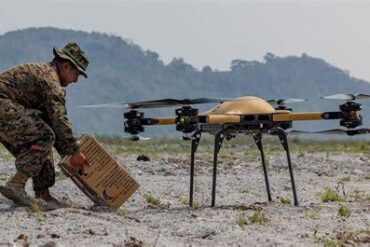
Gas-powered drones still find a place in military applications and specialized commercial uses, but these are typically larger, fixed-wing, or vertical take-off and landing (VTOL) drones. The longer flight times and ability to carry heavier payloads make gas-powered drones suitable for such applications. For example, military drones often require extended endurance to conduct reconnaissance or surveillance over vast areas. In these cases, the increased energy density of gasoline can provide the necessary endurance that electric-powered drones cannot currently match.
Some larger drones, like the Shiebel Camcopter, which uses a gas-powered engine, have been deployed in military operations. However, even in these high-stakes environments, gas-powered drones are not without their challenges. These drones are often expensive to operate and maintain, and the high number of technical issues, including engine failures, has led to frustration within some military units. Despite these drawbacks, the endurance benefits of gas engines remain valuable in scenarios that require extended flight times and heavy payloads.
The Dominance of Electric Drones
The rise of electric drones can be attributed to their numerous advantages over gas-powered alternatives. Electric motors are inherently more reliable than combustion engines due to their simplicity, with fewer moving parts and no need for oil or fuel changes. This makes electric drones far easier and cheaper to maintain in the long term. The technology surrounding electric drones has also advanced significantly, with improvements in battery density and motor efficiency, allowing for longer flight times and better overall performance.
Additionally, electric drones are much quieter than gas-powered drones, making them ideal for use in urban areas or for tasks requiring minimal noise disruption, such as film production or wildlife monitoring. Gas-powered drones, by contrast, are often loud and disruptive, with the constant hum of a small combustion engine making them far less suitable for these applications.
Scaling Down Gas Engines for Drones
One of the critical reasons gas-powered drones have not become a mainstream technology is the difficulty in scaling down combustion engines for use in small drones. Small-scale IC engines, which are typically used in drones, struggle with efficiency, reliability, and control at reduced sizes. The smaller the engine, the less efficient it becomes in converting fuel into usable power. Additionally, the engine’s weight-to-power ratio worsens as the engine size decreases, making it harder for gas engines to compete with the lighter and more efficient electric motors used in consumer drones.
As drones become smaller and more agile, the complexity of incorporating a gas engine increases. Gas engines do not respond as quickly to throttle changes as electric motors, which makes it difficult for the drone to execute precise movements. This is particularly problematic in drones that require rapid changes in direction or altitude, such as quadcopters, which are used for a wide range of tasks from aerial photography to emergency services.
Conclusion: The Future of Gas-Powered Drones
Despite the advantages that gas-powered drones offer in terms of flight endurance and payload capacity, they face significant hurdles in terms of reliability, maintenance, complexity, and noise. As electric drone technology continues to improve, it is likely that electric-powered models will remain the dominant choice for most commercial and hobbyist drone users. While there may still be niche applications where gas-powered drones are useful, especially in military and specialized industrial contexts, the general trend in the drone market points firmly toward electric systems.
As the industry continues to evolve, it’s possible that hybrid systems or advances in fuel cell technology could provide new avenues for gas-powered drones, but for now, electric remains the superior choice for most use cases.