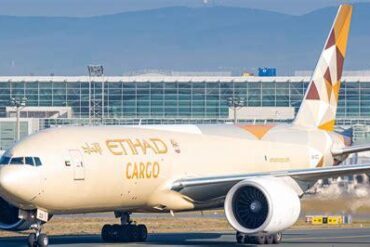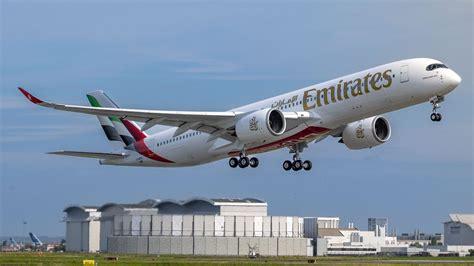
In a world dominated by airline mega-alliances—Star Alliance, oneworld, and SkyTeam—it seems almost unfathomable that two of the Middle East’s most prominent carriers, Emirates and Etihad Airways, have deliberately chosen to remain independent. Their absence from these global groupings is not an oversight; it is a bold, calculated business decision rooted in strategy, scale, and sovereignty.
From the outside, airline alliances appear to be a golden ticket. They promise passengers seamless travel across multiple carriers, shared airport lounges, integrated frequent flyer benefits, and broader global connectivity. For airlines, alliances offer network expansion, cost-sharing on operations, and increased market access. But what is often overlooked are the trade-offs—loss of control, rigid scheduling requirements, and sometimes, diminishing returns for those not in the driver’s seat.
Historical Context: Why Airline Alliances Formed
To understand the resistance of Emirates and Etihad, it’s important to explore the original motivations behind airline alliances. Formed in the late 1990s and early 2000s, these groups were a reaction to increasing global demand, economic pressures, and the complexities of international route expansion.
- Star Alliance, established in 1997 by Lufthansa, United Airlines, and others, laid the foundation.
- oneworld followed in 1999 with British Airways, Qantas, and American Airlines.
- SkyTeam, launched in 2000, included Delta Air Lines, Air France, and Korean Air.
Their purpose was simple yet powerful: to pool resources, reduce redundancies, and reach markets otherwise inaccessible.
A Different Playbook: Emirates’ Independent Strategy
Emirates, headquartered in Dubai, has consistently expressed skepticism about the value of joining a mega-alliance. Its president, Sir Tim Clark, famously dismissed the concept, labeling it as “the old way.” The airline’s chairman, Sheikh Ahmed bin Saeed Al Maktoum, went even further, asserting that Emirates’ meteoric rise would have been stifled within the confines of an alliance structure.
Instead, Emirates built a vast global network using the hub-and-spoke model centered at Dubai International Airport. With over 150 destinations on six continents and a young, widebody-dominated fleet, the airline is optimized for long-haul, high-capacity routes. Emirates has also strategically chosen bespoke codeshare agreements, offering flexibility, favorable terms, and zero commitment to alliance bureaucracy.

A prime example is its partnership with Qantas, which allowed the Australian carrier to reroute its European traffic through Dubai while enabling Emirates to gain premium access to Australia’s domestic market. The deal mirrored many alliance perks without the baggage.
Etihad’s Investment-Centric Vision
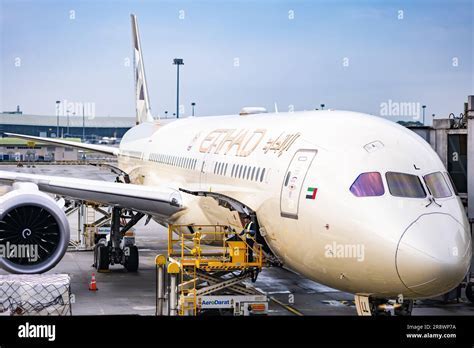
Etihad Airways, based in Abu Dhabi, charted a different but equally independent path. Instead of alliances, it pursued equity investments in strategically placed global airlines. The goal was to build its own network of partners—essentially an alliance it controlled.
This ambitious plan saw Etihad take stakes in Air Serbia, Jet Airways, Alitalia, and Air Seychelles, among others. While some of these ventures failed—most notably Jet Airways and Alitalia—the strategy demonstrated Etihad’s preference for ownership and influence over subordination in a global alliance.
Despite these setbacks, Etihad continues to sign selective codeshare and interline agreements, including with SAS, Austrian Airlines, and Philippine Airlines, strengthening its position without sacrificing independence.
Control and Flexibility: Why Independence Works
One of the biggest drawbacks of joining an airline alliance is the loss of autonomy. Shared decisions on scheduling, pricing, and branding often prioritize the alliance’s collective goals over individual carrier interests. For Emirates and Etihad, this is a non-starter.
With their respective governments backing their growth and infrastructure, both carriers enjoy a level of sovereignty that many alliance members cannot claim. Their centralized hubs, financial support, and national prestige allow them to dictate terms, not accept compromises.
This independence allows them to:
- Choose partners based on strategic fit, not alliance rules.
- Negotiate revenue-sharing deals tailored to individual markets.
- Shift capacity and routes dynamically based on performance.
- Avoid the annual alliance membership costs and extensive IT integrations required.
Strategic Codeshares: Partnerships Without Chains
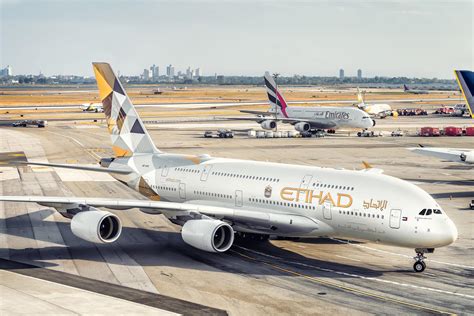
Emirates and Etihad may not be part of the big three, but they’re far from isolated. In fact, they’ve mastered the art of strategic bilateral agreements.
Emirates codeshares with several prominent carriers, many of which are themselves part of alliances:
- United Airlines (Star Alliance)
- Qantas (oneworld)
- Air Canada (Star Alliance)
- ITA Airways
- Icelandair
These arrangements allow Emirates to tap into alliance networks without membership, effectively cherry-picking the benefits.
Etihad, meanwhile, has signed codeshares with:
- Air Serbia
- SAS
- Philippine Airlines
- Airlink South Africa
- Austrian Airlines
The difference? These are often more nimble, less restrictive, and mutually advantageous compared to alliance agreements that require syncing across dozens of carriers.
Hub Advantage: The Geopolitical Center of Global Travel
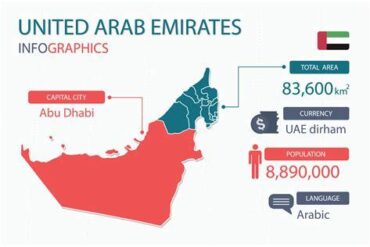
A key enabler of this independence is the geographic positioning of the United Arab Emirates. Situated between Europe, Asia, and Africa, both Dubai and Abu Dhabi are ideal transfer points for intercontinental travel. This allows Emirates and Etihad to serve as natural global connectors.
Their hub airports are designed as mega-connecting complexes, offering speed, scale, and luxury that rival any alliance hub. Dubai International Airport consistently ranks among the world’s busiest for international passengers, largely because of Emirates’ extensive long-haul reach.

The Case of Qatar Airways: A Cautionary Comparison
To understand why Emirates and Etihad have opted out, it’s also worth looking at the experience of Qatar Airways, their Gulf neighbor and a member of oneworld since 2013.
While Qatar Airways has gained global exposure through the alliance, it has also had its share of diplomatic and operational frictions—particularly during the Gulf blockade, when fellow alliance members like British Airways had limited ability to act in Qatar’s favor. Moreover, Qatar’s recent public disputes with some oneworld members underscore the tensions that can arise.
In contrast, Emirates and Etihad remained unencumbered by political alliances or alliance-based expectations, allowing them to focus purely on commercial logic.
Alliance Drawbacks: Costs, Conflicts & Constraints
The reality is that mega-alliances, while influential, come with significant downsides:
- Expensive onboarding: IT systems, loyalty program syncs, training, and marketing cost millions.
- Unequal power dynamics: Founding members often wield disproportionate control.
- Reduced agility: Decision-making can be slow and consensus-driven.
- Diminishing returns: Especially for airlines with strong independent networks, the benefits may not outweigh the costs.
For global juggernauts like Emirates and Etihad, these constraints are unnecessary burdens.
The Future of Airline Alliances: Fragmented or Flexible?
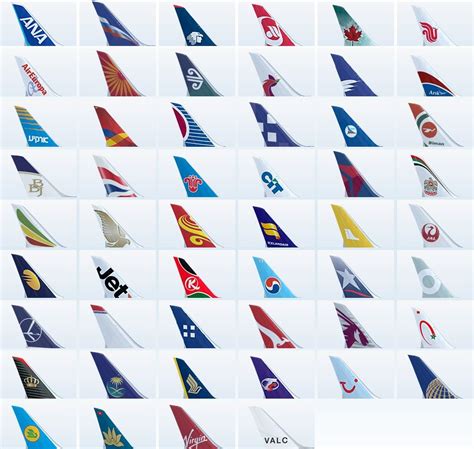
Emirates and Etihad may be trendsetters rather than outliers. The global aviation landscape is shifting toward modular, flexible partnerships. Even legacy carriers are questioning the long-term value of alliance commitments.
LATAM’s departure from oneworld and WestJet’s choice to remain independent are examples of this change. Instead of joining massive coalitions, airlines are increasingly pursuing bespoke, bilateral partnerships that offer higher control and faster returns.
If anything, the success of Emirates and Etihad without alliance ties sends a clear signal: scale, service quality, and strategic vision can trump the need for alliance membership.
Conclusion: Independence by Design, Not Default
The absence of Emirates and Etihad from Star Alliance, oneworld, and SkyTeam is not a gap in their strategy—it is their strategy. By avoiding the limitations of formal alliances, both carriers have built global brands with world-class service, agile partnerships, and unmatched network reach. Their independence is not a gamble but a statement: in the modern aviation game, flexibility, not conformity, wins the sky.