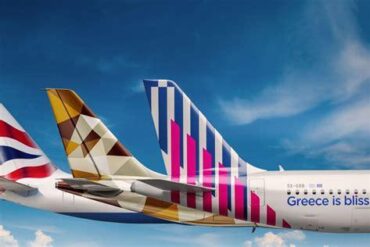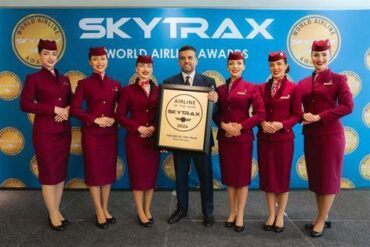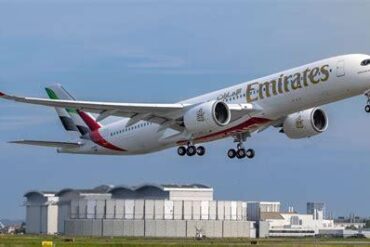
In a transformative leap that reframes the competitive landscape of global aviation, Etihad Airways has formalized strategic partnerships with industry titans American Airlines, Delta Air Lines, Ryanair, United Airlines and Southwest Airlines. This landmark unification comes on the heels of Etihad’s most extraordinary year to date—2024—during which the airline shattered passenger records, doubled its customer base in under three years and reinforced its reputation for luxury service. Poised to capitalize on these alliances, Etihad emerges as a formidable network carrier, ready to extend its reach, modernize its fleet and redefine what premium travel means in the modern era.
Etihad’s remarkable ascent is underscored by its carrying of over 20 million passengers in a single 12‑month stretch for the first time in its history, precisely doubling the 10 million mark achieved just 30 months earlier. This dramatic surge reflects a meticulously executed expansion blueprint that has integrated new routes, elevated onboard experiences and fostered enduring traveler loyalty. Complementing this passenger growth, the airline reported a Q1 profit of AED 685 million and secured all‑time high customer satisfaction scores, a testament to both robust financial health and an unwavering commitment to service excellence.
CEO Antonoaldo Neves emphasizes that no other carrier in the Middle East has matched Etihad’s growth rate, a statement backed by the airline’s aspiration to serve 125 destinations and grow its fleet to 170 aircraft by 2030. These bold targets align with Etihad’s broader strategic vision: to solidify Abu Dhabi’s status as a global aviation hub while delivering seamless connectivity across continents and cultivating an ecosystem of luxury travel that resonates with both leisure and business flyers.
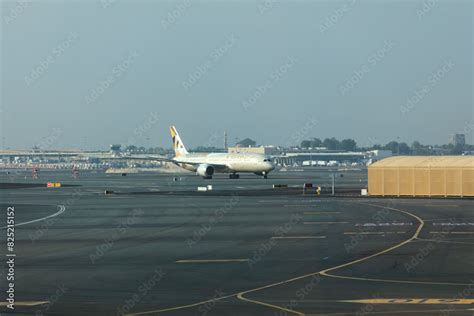
Record-Breaking Growth and Unmatched Customer Satisfaction
Over the rolling 12 months of 2024, Etihad Airways not only eclipsed its own historical milestones but also set new benchmarks for the sector. The 20 million passenger milestone symbolizes more than numerical success; it marks the culmination of targeted network extensions, agile fleet management and elevated brand positioning. By doubling passenger volumes in just two and a half years, Etihad has demonstrated operational resilience amid evolving market conditions and competitive pressures. More importantly, this growth has been accompanied by exceptional guest feedback: independent surveys rated Etihad’s cabin comfort, onboard amenities and customer service among the highest in its peer group.
This dual achievement—exponential passenger growth plus stellar satisfaction—translates into tangible business advantage. High load factors and repeat travelers drive ancillary revenues, while positive word‑of‑mouth fuels corporate contracts and premium bookings. The synergy between financial performance and customer delight underscores the airline’s formula for sustainable expansion: invest in people, products and processes that resonate at every touchpoint.
Unforgettable Luxury Experiences as Growth Catalysts
Etihad’s celebrated milestone of welcoming its 20 millionth passenger was marked by an extraordinary display of its luxury ethos. Mr. and Mrs. Chopra, traveling from New Delhi to visit family in Toronto, were personally selected for an experience that showcased Etihad’s aspirational service narrative. Their journey began in lie‑flat Business Class aboard an Airbus A350, where personalized dining menus and in‑seat wellness kits set the tone for indulgence. From there, they were escorted to Etihad’s exclusive First Lounge, granted an honorary Gold‑tier status upgrade and attended by a dedicated concierge.
The crescendo came when the couple stepped aboard the ultra‑luxurious The Residence on Etihad’s A380 for the Abu Dhabi–Toronto leg—a three‑room suite complete with a private living area, dining room and ensuite shower. This gesture not only commemorated a corporate milestone but also exemplified Etihad’s philosophy of crafting emotionally resonant, shareable moments that reinforce brand affinity and transform one‑time travelers into lifelong advocates.
Fleet Expansion and Cutting‑Edge Modernization
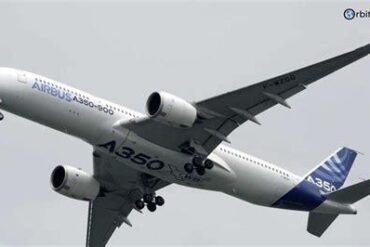
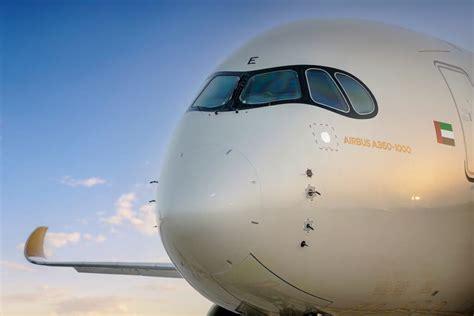
A critical pillar of Etihad’s growth strategy is its relentless investment in fleet modernization. In the past year alone, the airline inducted three state‑of‑the‑art aircraft: its seventh Airbus A380, a new Boeing 787‑9 operated by an all‑Emirati flight crew, and the first of three Airbus A350‑1000s. These additions bring Etihad’s operational fleet to over 100 aircraft, each equipped with the latest aerodynamics, fuel‑efficient engines and passenger amenities.
Looking ahead, Etihad is scheduled to receive 18 more new aircraft in 2025, including the highly anticipated A321LR series outfitted with First Suites, fully lie‑flat Business Class seats and 4K inflight entertainment screens. Complementing the cabin upgrades, high‑speed super Wi‑Fi installation across the fleet ensures uninterrupted connectivity—addressing the growing demand for business continuity and entertainment at altitude.
By prioritizing fuel efficiency and comfort, Etihad aligns its fleet strategy with both environmental responsibility and guest expectations. The blend of widebody and narrow‑body additions optimizes route economics, enabling the airline to match capacity to demand and maintain high load factors across short, medium and long‑haul segments.
Global Aviation Trends and Projections Shaping Etihad’s Trajectory
The airline industry in 2024 experienced a dramatic resurgence, with global passenger traffic up 10.4% year‑on‑year and 3.8% above pre‑pandemic levels. According to IATA forecasts, this momentum will carry through 2025—reaching 5.2 billion total passengers—and extend toward 12 billion by 2030, driven by a 6.7% annual rise and a 3% CAGR through 2053.
Key drivers fueling this upswing include:
- Reopening of international borders, restoring pent‑up leisure and business travel.
- Fleet modernization, which boosts seat capacity and reduces per‑seat operating costs.
- Premium cabin demand, reflecting travelers’ willingness to pay for added comfort and service.
Regionally, Asia‑Pacific commanded 33.5% of global traffic in 2024, powered by burgeoning markets in India, Indonesia and Vietnam. Industry leaders such as Ryanair have extended low‑cost service, while legacy carriers like Singapore Airlines and Cathay Pacific target affluent long‑haul passengers. Europe recorded a 9.4% traffic increase by April 2025, with airlines like Lufthansa leaning into sustainability initiatives and alliance synergies. North America’s recovery was spearheaded by U.S. majors—Delta’s premium revenue grew 5% YoY, and United projects $15.2 billion in Q2 2025 revenue—fueled by robust demand for business travel. The Middle East, holding 9.4% of global passenger share, leveraged strategic hub positioning in Dubai, Doha and Abu Dhabi; Etihad’s network expansion and fleet augmentation reinforce the region’s competitive advantage.
By aligning its growth ambitions with these macro trends, Etihad ensures its strategic decisions—from route planning to aircraft procurement—are informed by robust market intelligence and projected demand patterns.
Network Expansion and Abu Dhabi’s Aviation Vision
In 2024, Etihad launched 27 new routes and inaugurated seven fresh destinations, extending its map across six continents. These network additions not only cater to underserved markets but also strengthen connectivity between Europe, Asia and North America via Abu Dhabi’s ultramodern Midfield Terminal.
By the close of 2025, Etihad aims to operate to nearly 90 destinations, tapping into emerging corridors such as West Africa to the Gulf and secondary Chinese cities to Europe. This aggressive rollout dovetails with Abu Dhabi’s overarching economic diversification plan, which positions the emirate as a nexus for tourism, trade and technology. Etihad’s role, therefore, is dual: to facilitate seamless global mobility and to underpin Abu Dhabi’s elevation as a premier investment and cultural hub.
Future Vision: Innovation, Sustainability and Passenger‑Centric Excellence
Looking beyond 2025, Etihad Airways envisions a network served by 170+ aircraft and carrying 38 million passengers annually by 2030. This trajectory rests on three pillars:
- Innovation: Integrating AI‑driven personalization engines, biometric boarding and predictive maintenance to elevate reliability and efficiency.
- Sustainability: Scaling up Sustainable Aviation Fuel (SAF) usage, exploring electric and hydrogen propulsion prototypes, and optimizing flight paths to reduce carbon emissions.
- Passenger‑Centricity: Expanding The Residence concept, introducing modular cabin designs and curating local culinary partnerships to deliver culturally rich inflight dining.
By focusing on these priorities, Etihad aims to surpass mere growth metrics and entrench itself as a pioneer of responsible, future‑ready aviation. The synergy between cutting‑edge technology, green practices and emotional guest engagement will chart a course for long‑term viability and differentiation.
Conclusion
Etihad Airways’ 2024 performance and its alliances with American, Delta, Ryanair, United and Southwest Airlines represent a watershed moment in global aviation. By marrying robust passenger growth with unrelenting commitment to luxury, operational excellence and network depth, Etihad has redefined its competitive positioning. As the airline accelerates into 2025 and beyond, its strategic investments in fleet, technology and partnerships will ensure that it not only meets—but anticipates—the evolving needs of a worldwide traveler community. In doing so, Etihad reaffirms Abu Dhabi’s ascension as a pivotal crossroads in the modern era of air travel.