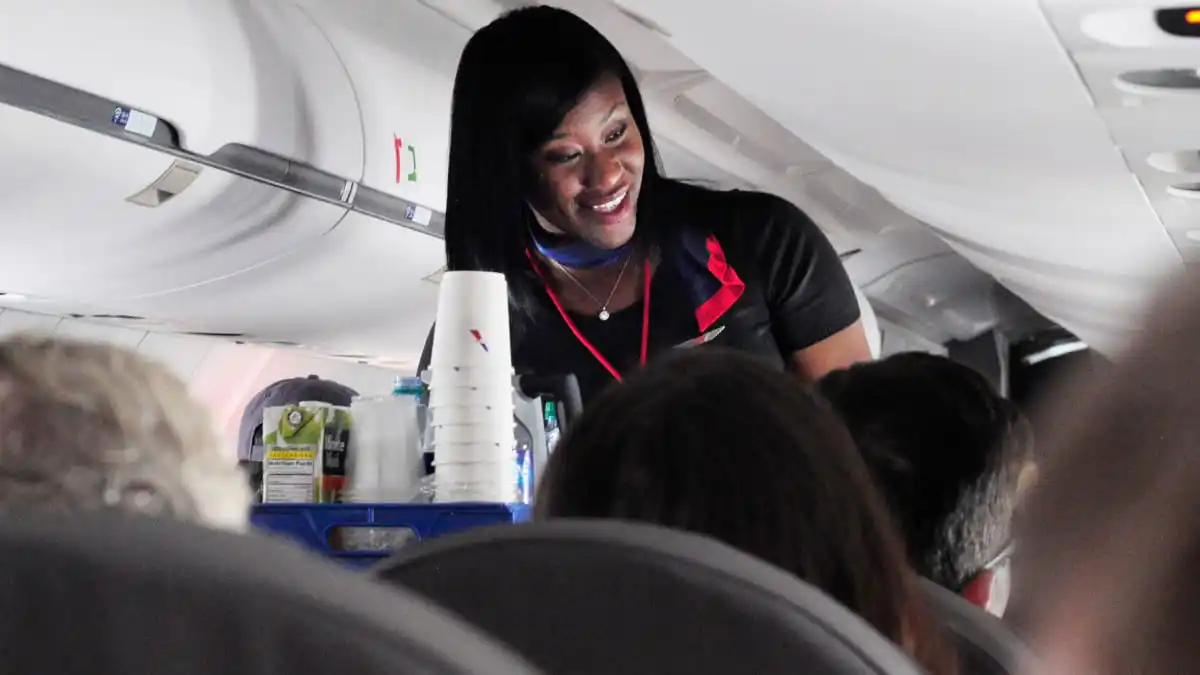
Being a flight attendant is often associated with travel, new destinations, and the unique lifestyle of working in the aviation industry. The reality behind that image can be considerably more demanding. Cabin crew members may spend long periods on their feet, work multiple flight segments in a single day, manage difficult passenger situations, perform safety checks, and remain ready to respond to emergencies. After a long duty period, the quality and quantity of rest available before the next assignment can have a direct impact on their ability to perform safely.
For years, flight attendant fatigue was a major concern among US aviation labor organizations because the regulatory minimums did not always provide enough practical time for meaningful recovery. The problem was particularly noticeable on short-haul schedules, where airlines could construct trips around relatively short layovers. A crew member might finish a demanding duty period late in the evening and then have to report again early the next morning.
The FAA eventually addressed this issue with a significant change to its rest requirements. The rule established 10 consecutive hours of rest between duty periods of 14 hours or less. The regulation became effective in 2023 after years of debate and implementation delays. On paper, the change represented a substantial improvement over the previous system. In practice, however, the phrase “10 hours of rest” can create a misleading impression.
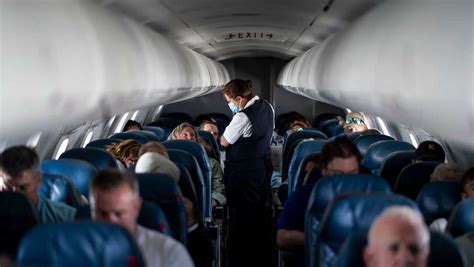
The reason is simple: 10 hours between duty periods does not necessarily mean 10 hours inside a hotel room. Flight attendants must still travel between the airport, transportation, and hotel. They also have to complete the necessary processes before they can actually sleep. By the time a crew member reaches the hotel and gets settled, the theoretical 10-hour window can look much smaller.
What the FAA 10-Hour Rest Rule Requires
Under the current FAA framework, US airlines must provide flight attendants with at least 10 consecutive hours of rest between duty periods of 14 hours or less. One of the most important features of the rule is that the rest period is non-reducible. Unlike the previous standard, airlines cannot simply shorten the rest period under ordinary scheduling circumstances and make up for it with a longer rest period later.
The rule was first introduced legislatively in 2018, but implementation took several years. It was finalized in 2022 and became effective in 2023, giving airlines a defined period to modify their scheduling systems and crew pairings. This long lead time helped carriers avoid major operational disruption when the regulation finally took effect.
The change represented an important shift in how the industry treated cabin crew fatigue. Previously, flight attendants were generally entitled to nine consecutive hours of rest, but that period could be reduced to eight hours if the following rest period was at least 10 hours. That flexibility gave airlines more room to construct tight schedules, particularly on trips where every minute of aircraft and crew utilization mattered.
The new rule removed much of that flexibility. A 10-hour rest period had to remain 10 hours. Yet the regulation measures the interval between duty periods rather than the exact number of hours a crew member spends sleeping.
Why 10 Hours Can Become 8 Hours at the Hotel
Consider a flight attendant who is released from duty at 10:00 p.m. and must report for the next assignment at 8:00 a.m. The regulatory rest interval is exactly 10 hours. At first glance, that sounds like a reasonable overnight break.
But the flight attendant does not instantly teleport from the aircraft to a hotel bed.
After being released from duty, the crew still needs to leave the aircraft, walk through the airport or crew area, collect belongings, and reach the designated transportation. The crew van then has to travel to the hotel. Depending on the airport, traffic, terminal layout, hotel location, and other operational factors, that journey can consume a meaningful portion of the available window.
The process works in reverse the following morning. A flight attendant must wake up early enough to prepare, check out, reach the crew transportation pickup point, travel back to the airport, and complete whatever procedures are necessary before reporting for duty.
In a favorable situation, perhaps the transportation process consumes about an hour on each side of the overnight stay. That leaves approximately eight hours at the hotel. If check-in, check-out, transportation delays, or other practical complications consume additional time, the actual opportunity for sleep can be even shorter.
This distinction is crucial. The FAA rule guarantees a protected period between duty assignments, but it does not guarantee that every minute of those 10 hours can be spent asleep in a hotel bed.
The Difference Between Rest Time and Sleep Time
The aviation industry has to distinguish between regulatory rest and actual sleep opportunity. They are related, but they are not identical.
A flight attendant might technically have 10 hours free from duty while having considerably less time available for sleep. Once transportation, hotel procedures, showering, eating, personal preparation, and getting ready for the next report time are considered, the usable sleeping window shrinks.
That becomes especially important after a long duty period. A 14-hour duty day can involve multiple takeoffs and landings, extensive passenger interaction, safety responsibilities, turbulence, delays, and prolonged periods of standing. Even when a crew member reaches the hotel on time, the body may need additional time to wind down before sleep begins.
For that reason, an eight-hour hotel window is not necessarily equivalent to eight hours of sleep. A flight attendant may need to eat, decompress, contact family, prepare uniforms, set alarms, and handle other basic personal tasks before getting into bed.
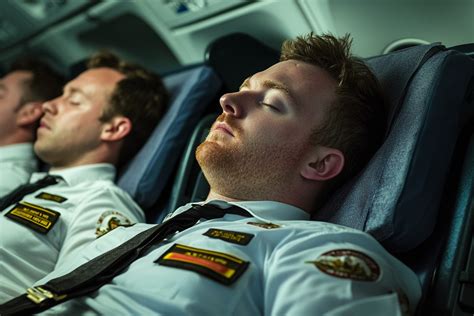
The practical difference becomes even more significant when transportation is unpredictable. A late crew van or a congested airport can reduce an already narrow sleep opportunity without changing the formal length of the FAA rest period.
Short-Haul Crews Feel the Pressure Most
The effect of the rule varies dramatically depending on the type of operation. Long-haul flight attendants frequently receive substantially longer layovers because airlines may operate only one or two flights per day on a particular international route. There is little operational advantage in bringing the same crew back to work after the bare regulatory minimum.
Short-haul operations are different.
Domestic crews may operate several flight segments during a single duty period, creating schedules in which aircraft, pilots, and cabin crew move continuously between cities. When a trip includes a minimum-length overnight layover, extending that layover by even an hour or two can affect the entire sequence of assignments.
Before the 10-hour rule, airlines had more flexibility to construct schedules around shorter rest intervals. The new standard forced carriers to reconsider some of those pairings. A schedule that previously complied with the old rules could become impossible under the new requirements.
For flight attendants, this was particularly important because fatigue accumulates. One short overnight may be manageable. Several consecutive days of long duty periods followed by minimum rest can produce a much greater burden.
Flight Attendant Unions Pushed for Stronger Rest Rules
The 10-hour requirement did not appear in isolation. Flight attendant unions had advocated for stronger fatigue protections for years, arguing that cabin crew needed rest standards reflecting the safety-critical nature of their work.
Flight attendants are sometimes viewed primarily as customer-service employees, but their responsibilities extend far beyond food, beverages, and passenger assistance. In an emergency, cabin crew members are responsible for helping evacuate the aircraft, directing passengers toward usable exits, managing emergency equipment, and maintaining order under extremely stressful circumstances.
During normal operations, they also perform safety-related tasks throughout the cabin. They monitor seat belts, secure the cabin, inspect exits, respond to medical situations, and identify potential safety concerns.
Fatigue can interfere with concentration, reaction time, communication, and judgment. Those abilities matter just as much in the cabin as they do in the cockpit.
The new 10-hour requirement was therefore viewed as an important safety measure as well as a labor improvement. It also brought flight attendants closer to the rest standard applicable to pilots, correcting a longstanding difference between the two groups.
The Hotel Location Can Change the Real Rest Period
Labor contracts can go beyond the federal minimum. A useful example comes from United Airlines, where the Association of Flight Attendants has negotiated additional protections for domestic trips.
Under the cited contract provisions, a 10-hour layover can be scheduled when the hotel is within a 15-minute drive of the airport. If the hotel is farther away, the minimum layover increases to 11 hours. Flight attendants must also receive at least eight hours at the hotel.
This illustrates an important principle: the location of the hotel can be almost as important as the nominal length of the layover.
A 10-hour layover at a hotel close to the terminal can provide a substantially better recovery opportunity than a 10-hour layover involving a long van ride through heavy traffic. The contractual approach recognizes that travel time consumes rest time, even though transportation itself is not counted as duty.

The distinction also demonstrates why airline labor agreements can provide meaningful protections beyond the FAA baseline. Federal regulations establish minimum standards, while collective bargaining agreements can address practical conditions that a broad regulation cannot cover in every situation.
Airlines Had Years to Prepare for the Change
Despite concerns about scheduling disruption, the 2023 implementation did not trigger the widespread operational chaos that might have been expected from such a regulatory change.
Airlines had been aware of the coming requirement for years. Some carriers had already moved toward 10-hour rest periods before the rule became mandatory. Alaska Airlines, for example, introduced a 10-hour rest period for cabin crew in 2020. Southwest Airlines also implemented the longer rest standard before the federal requirement took effect.
Other operators, including regional carriers such as SkyWest Airlines and PSA Airlines, also adjusted their practices in advance. This preparation allowed airlines to rebuild crew pairings and schedules before the regulatory deadline rather than attempting to make sweeping changes overnight.
Delta Air Lines, despite having a non-unionized flight attendant workforce, had also adopted a 10-hour rest period early.
The result was that the biggest effect was concentrated on schedules that had been operating close to the regulatory minimum. Airlines generally did not need to redesign their entire networks. Instead, they needed to identify pairings where a short layover could no longer legally fit within the new framework.
The Rule Changed More Than a Number
It is tempting to describe the FAA’s regulation as simply a move from nine hours to 10 hours, but that understates its significance. The most important change was that the 10-hour rest period became non-reducible.
Under the previous framework, an airline could use a compressed eight-hour rest period under certain conditions. That scheduling flexibility could be valuable when constructing complex domestic trips. Removing it meant that airlines had fewer opportunities to recover schedule disruptions by squeezing the overnight period.
For flight attendants, the improvement was tangible, especially on trips that had previously been built around the shortest legal rest periods.
Yet the rule also demonstrates the limitations of regulating fatigue through a single clock. Ten hours between duty periods may look generous on paper, but the real-world experience depends on when the crew is released, where the hotel is located, how long transportation takes, and when the crew must leave the hotel.
How Pilot and Flight Attendant Rest Rules Intersect
Pilots and flight attendants operate under related but not identical scheduling systems. Both groups now benefit from a 10-hour uninterrupted rest requirement in the relevant circumstances, but pilot scheduling involves additional restrictions based on departure time, number of flight segments, and other operational factors.
For an unaugmented flight crew, the maximum flight duty period can reach 14 hours under qualifying circumstances, but that limit can become shorter when early-morning or late-night operations interfere with normal circadian rhythms. Multiple flight segments can also reduce the allowable duty period.
Cabin crew face a different operational reality. Flight attendants generally remain on the aircraft longer than pilots during turnaround and deplaning procedures, meaning their practical duty period does not always feel identical to that of the cockpit crew.
At major airlines, pilots and flight attendants may also work different trip sequences and sometimes stay in different hotels. Smaller carriers may keep the groups together more frequently.
These differences reinforce why the 10-hour FAA rest rule should not be interpreted as a universal guarantee of identical working conditions for every crew member.
Why Eight Hours at the Hotel Still Matters
The criticism that “10 hours of rest can mean eight hours at the hotel” should not obscure the significance of the rule itself. The regulation is still a meaningful improvement over a system that allowed the rest period to be compressed under specified circumstances.
The problem is that fatigue does not follow regulatory definitions. The human body does not consider a crew van ride to be restorative sleep simply because the employee is technically free from duty.
A flight attendant finishing a demanding 14-hour duty period needs genuine recovery, not merely compliance with a stopwatch. The 10-hour standard provides an important foundation, but airline contracts, hotel locations, transportation arrangements, and scheduling practices can determine how much of that foundation becomes usable sleep.
For passengers, this issue is largely invisible. We see the cabin crew when they greet us at the door, conduct the safety demonstration, serve the cabin, and respond to requests. We rarely see the hours spent traveling between airports and hotels, preparing for the next assignment, or trying to sleep after an exhausting day.
The FAA’s 10-hour flight attendant rest rule therefore represents an important step forward, but its headline number does not tell the entire story. A flight attendant may legally have 10 hours between duty periods while having only around eight hours at the hotel—and potentially less time in bed. That gap between regulatory rest and real-world recovery explains why fatigue remains such an important issue in airline scheduling and why unions continue to negotiate protections that go beyond the federal minimum.