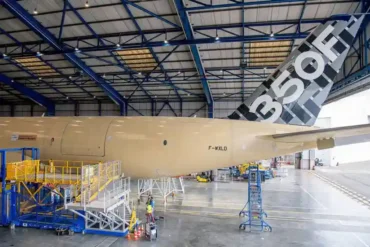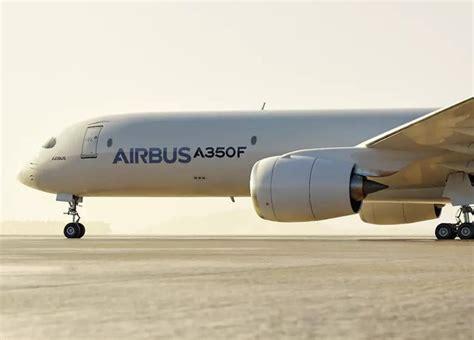
Airbus has confirmed that the A350F freighter is scheduled to make its first test flight from Toulouse-Blagnac Airport on Tuesday, marking a major milestone in the development of its next-generation widebody cargo aircraft. The announcement follows a busy week of ground testing in Toulouse, including engine runs, taxi checks, and two successful rejected takeoff tests designed to verify the aircraft’s ability to stop safely after an aborted takeoff.
The planned maiden flight represents an important transition from ground-based testing to airborne evaluation for the A350F. Airbus has already built significant market interest around the aircraft, with 118 outstanding orders reported across its customer base. The freighter is being developed to compete directly with Boeing’s 777-8F in a next-generation air cargo market increasingly focused on fuel efficiency, payload capability, and long-term operating economics.
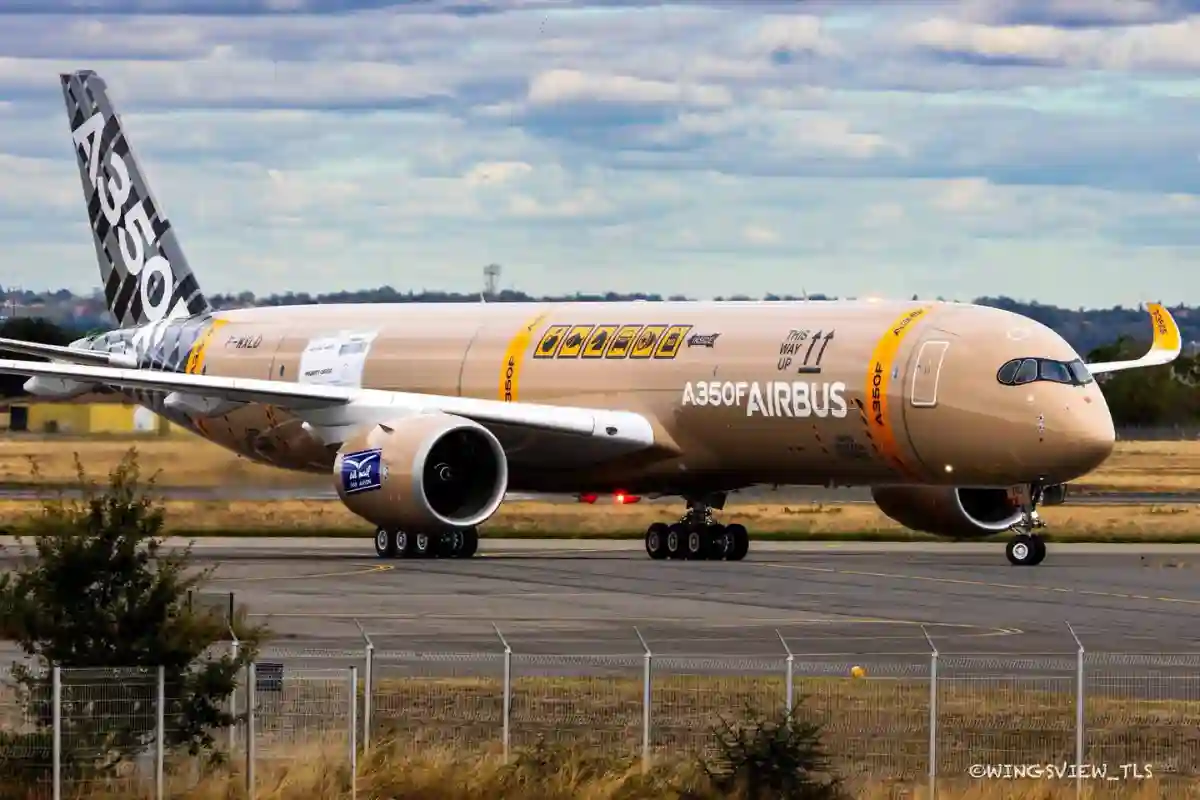
The A350F is derived from the Airbus A350-1000, although its fuselage is slightly shorter and its structure has been extensively adapted for freight operations. Airbus is targeting a 109-tonne structural payload and a range of approximately 4,700 nautical miles (8,700 kilometers). Those figures position the aircraft between traditional large freighters and some of the newest long-range cargo designs, while allowing Airbus to capitalize on the aerodynamic and technological foundations of the A350 family.
Airbus A350F Maiden Flight Scheduled In Toulouse
According to Airbus, the first A350F test flight is planned for Tuesday, with the aircraft expected to depart Toulouse between 10:30 a.m. and 10:45 a.m. local time. The initial flight is expected to last approximately four hours, giving the flight-test team an opportunity to begin evaluating the aircraft in airborne conditions after months of development and ground preparation.
The aircraft is then scheduled to return to Toulouse between approximately 2:30 p.m. and 3:15 p.m. The planned post-flight activities include a flyover, landing, taxiing and technical testing, followed by the opening of the aircraft’s enormous cargo door. Airbus has also planned photo opportunities and speeches surrounding the milestone.
The schedule remains dependent on essential operational requirements, particularly weather conditions, meaning the stated timing is not an absolute guarantee. Nevertheless, the confirmation shows that Airbus has reached a sufficiently advanced stage of the test program to move the A350F from runway testing into its flight-test campaign.
Successful Rejected Takeoff Tests Prepare A350F For Flight
The maiden flight announcement came shortly after the A350F completed several significant ground tests at Toulouse-Blagnac. The prototype underwent engine testing and two rejected takeoff tests, following earlier engine runs and taxi checks conducted during September.
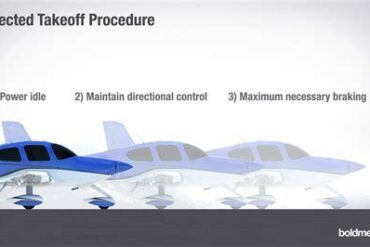
Rejected takeoff testing is an especially important part of an aircraft development program because it verifies that the aircraft can safely abort a takeoff when circumstances require it. During these tests, engineers assess the interaction between the engines, brakes, landing gear, tires and other systems while the aircraft undergoes the intense forces associated with stopping after a high-speed acceleration run.
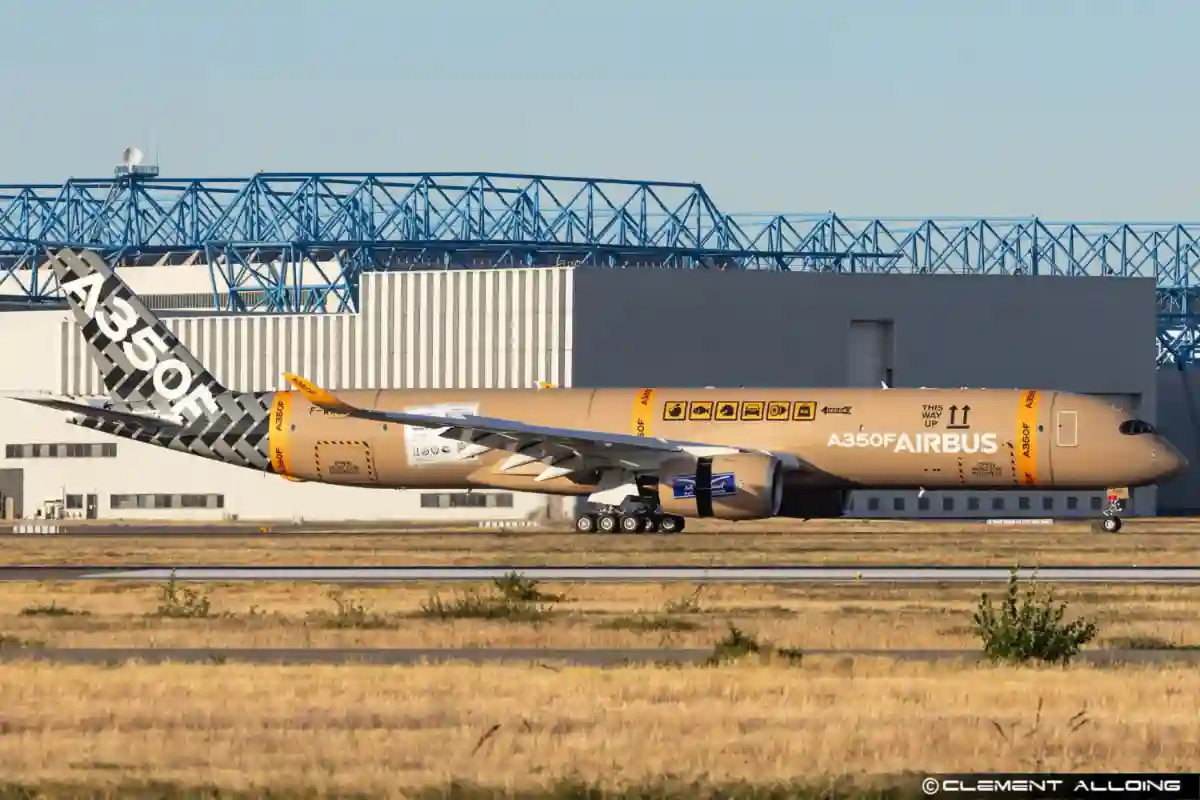
For a large freighter such as the A350F, these tests are particularly significant because the aircraft is designed to carry a substantial structural payload. Its systems must therefore perform reliably across a wide range of operating weights and conditions. Successful rejected takeoff testing provides another important indication that the prototype is ready to begin the more complex airborne phase of development.
A350F Brings A Huge Cargo Door To The A350 Family
Although the A350F is smaller than four-engine freighters such as the Boeing 747-8F, its physical scale remains impressive. One of its most distinctive features is the main cargo door, which Airbus has designed specifically around the requirements of large-scale freight operators.
The cargo door is reported to be the largest of its kind in aviation history, providing enough opening space to accommodate exceptionally large pieces of freight. Its dimensions are a critical part of the A350F’s appeal because cargo operators increasingly need aircraft capable of handling oversized equipment, machinery and other high-value loads that cannot be efficiently transported through conventional passenger-aircraft doors.
This capability complements the A350F’s lower operating-cost ambitions. Rather than simply converting a passenger aircraft into a freighter, Airbus has developed the A350F around the structural and logistical demands of modern air cargo operations.
A350F Orders Show Strong Customer Interest
Airbus currently has a substantial customer base for the new freighter. The prototype carries the French test registration F-WXLD and is currently the only A350F to have completed production, but the order book indicates that additional aircraft will follow once the type enters commercial service.
Atlas Air has placed the largest disclosed commitment, with 20 firm orders. Air China Cargo, Etihad Airways and Starlux Airlines have each ordered 10 aircraft, while Cathay Pacific and Korean Air have committed to eight and seven respectively. Singapore Airlines also has seven A350Fs on order, while Air France has three.
A further 21 aircraft are associated with undisclosed customers, meaning the full future operator list remains incomplete. With Airbus reporting nearly 120 orders, the A350F enters flight testing with a meaningful commercial base already established.
Airbus And Boeing Prepare For The Next Freighter Battle
The A350F’s development comes as Boeing works toward the 777-8F, creating a direct contest between two new-generation twin-engine widebody freighters. Both aircraft are designed around the changing economics of the global cargo market, where fuel consumption, payload flexibility and fleet commonality are increasingly important considerations.
For Airbus, the A350F also provides an opportunity to expand the A350 family beyond passenger operations. The upcoming maiden flight will therefore be more than another test event: it will begin the airborne phase of a program intended to establish the A350 as a significant platform in the future of commercial air freight.