Understanding Flight Pricing Trends: Why Prices Often Rise as You Get Closer to the Date of Travel
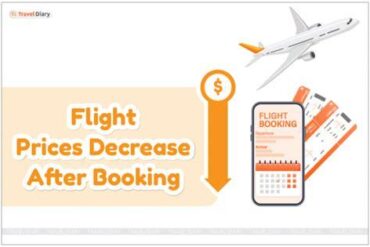
When planning a trip, many travelers wonder whether flight prices go down closer to the date of departure. It’s an understandable thought—after all, airlines have unsold seats, and it would make sense for them to lower prices to fill those empty spots. Unfortunately, the reality is often the opposite. As the travel date nears, the prices tend to increase rather than decrease, especially for popular routes and international flights. But what factors contribute to these changes? In this article, we will delve into the key reasons why flight prices usually rise as the departure date approaches, and what you can do to optimize your booking strategy.
Dynamic Pricing and the Role of Seat Availability
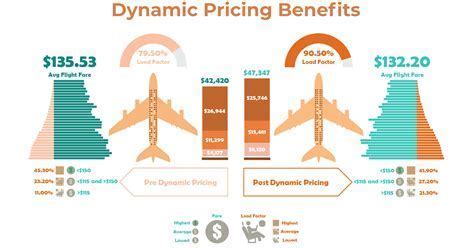
One of the most important factors affecting flight prices is the dynamic pricing system used by most airlines. This system adjusts fares in real-time based on a variety of factors, including demand, seat availability, and competitor prices. Here’s how it works:
- Low Fares Sell Out Quickly: Initially, airlines offer a certain number of tickets at lower prices, designed to attract early-booking travelers. As these cheaper seats are sold, the remaining tickets move up to higher fare categories.
- Limited Seats, Higher Prices: As the date of travel gets closer, fewer seats are available. This scarcity drives prices up, especially as the demand increases. Airlines know that travelers who book last-minute are often desperate to secure a seat, and they capitalize on that urgency.
The price rise is most noticeable when there are only a few seats left in the lower fare classes. If you wait until the last minute to book, you might find that only the premium fares are available, which are significantly higher than those that were offered weeks or months before.
When is the Best Time to Book Flights?
Although prices typically increase as your departure date nears, there are certain windows where you might find better deals. The sweet spot for booking flights tends to be about 2 to 3 months in advance. This is when airlines have a good balance of available seats and pricing, but not so many that they’re forced to hike up prices for remaining tickets. Booking too early or too late can both lead to higher costs:
- Booking Too Early: If you book too far in advance, airlines often quote higher prices to encourage early sales, and you may miss out on potential discounts that appear closer to your departure date.
- Booking Too Late: As the departure date approaches and seat availability dwindles, prices tend to rise steeply. Waiting too long can lead to extremely high fares, especially on routes with high demand.
Factors That Drive Up Prices as the Date Approaches
There are several key factors that contribute to the rise in flight prices as the departure date gets closer. Let’s break them down:
- Increased Demand: As the travel date nears, demand for available seats rises, especially during peak travel seasons like holidays or school breaks. With more travelers competing for the same limited number of seats, airlines raise prices to maximize revenue.
- Limited Seat Availability: Airlines often overbook flights to compensate for the number of no-shows. However, as passengers begin to book their tickets and confirm their plans, the number of available seats diminishes. This shortage leads to a rise in prices.
- The ‘Last-Minute’ Premium: Airlines are well aware that people who need to book at the last minute are often willing to pay more for a seat. This is especially true for business travelers or those who are forced to book due to personal emergencies. As a result, airlines increase prices on the remaining tickets.
- Price Optimization Algorithms: Airlines use complex algorithms to predict when and how much to charge for tickets based on historical data, market trends, and competitor pricing. These systems are designed to maximize profits by charging higher prices as demand grows closer to departure.
- Fuel Prices and Operating Costs: Although fuel prices fluctuate, they can still have an impact on flight prices. When operating costs go up, airlines may increase ticket prices to offset these costs.
Do Search Habits Affect Flight Prices?
A common myth in the travel community is that repeated flight searches can increase the price of a flight. While many believe that airlines track your activity through cookies and raise prices when they see that you are repeatedly searching for the same flight, there is no solid evidence to support this claim.
What really happens is that flight prices fluctuate due to demand and seat availability. It’s true that some airlines and travel agencies use cookies to track your behavior, but this tracking is mainly used to provide tailored advertisements and offer promotions rather than adjust ticket prices directly.
If you’re concerned about price changes when you’re searching for flights, there are a few strategies you can use to mitigate these fluctuations:
- Use Incognito Mode: Searching for flights in incognito or private browsing mode prevents websites from saving cookies or tracking your searches, which might reduce the chance of price hikes.
- Set Price Alerts: Platforms like Google Flights and Skyscanner allow you to set price alerts for specific routes, so you’re notified when the price drops.
- Use a VPN: If you suspect that your location is influencing ticket prices, using a VPN to change your location might help you find lower fares.
Can You Find Cheap Last-Minute Flights?
While it’s generally true that waiting until the last minute leads to higher prices, there are exceptions. If you’re flexible with your travel dates and destination, you might be able to score a good deal at the last minute.
For less popular routes or non-peak seasons, airlines sometimes offer last-minute discounts to fill remaining seats. Additionally, some budget carriers or discount airlines might have more affordable options, even as the departure date nears. If you’re traveling on a route with low demand, there may be cheaper tickets available at the last minute.
Alternative Strategies for Booking Flights
Here are a few strategies to help you find the best flight prices regardless of when you book:
- Be Flexible with Your Dates: Flight prices vary depending on the day of the week and the time of day. If you can adjust your travel dates, you may find a better deal.
- Consider Nearby Airports: If your destination has multiple airports, check prices for all of them. Sometimes flying into a nearby airport can save you money, even after factoring in the cost of additional transport.
- Check Multiple Sources: Don’t rely on just one booking platform. Check prices on airline websites, OTAs (Online Travel Agencies), and aggregators like Google Flights, Kayak, or Skyscanner.
Conclusion: Timing Is Key When Booking Flights
In conclusion, flight prices rarely go down as the travel date approaches. Instead, prices are more likely to rise as seats fill up and airlines adjust their prices according to demand. While it is possible to find last-minute deals for certain routes, the general rule is that booking 2 to 3 months in advance is your best bet for securing a reasonable fare. To stay ahead of price fluctuations, use tools like price alerts and consider booking as early as possible.
By understanding how airline pricing strategies work, you can better plan your travel and make smarter decisions about when to book your flights. Safe travels, and happy booking!