When the holiday lights dim and festive crowds disperse, travelers often wonder whether airfare drops in the wake of Christmas. The answer isn’t black and white, but rooted in complex variables like destination, demand, weather, and airline yield management strategies. Understanding these dynamics is essential to booking strategically and maximizing value.
The holiday season, particularly the window between mid-December and New Year’s Day, is among the most expensive times to fly. But does the conclusion of this season bring relief to the wallets of post-holiday travelers? We explore the realities behind airfare pricing after Christmas and how travelers can best navigate January and February bookings.
Post-Holiday Airfare Trends: What Really Happens?
In the days leading up to Christmas, airline seats become scarce commodities. Demand peaks, especially for popular routes to major cities, winter destinations, or hometowns. However, once the festivities end and people return to work or school, the spike in demand sharply declines—creating opportunities for reduced airfare.
Yet, the pattern isn’t universal. Some destinations, particularly warmer climates like Florida, Southern California, or international beach resorts, continue to see high demand as vacationers extend their breaks or retirees seek seasonal refuge.
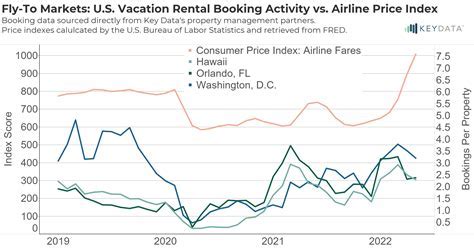
In general, prices often dip after New Year’s Day, particularly around the second week of January. This is the sweet spot when the majority of holiday travelers have returned, and demand softens temporarily. It’s a window of opportunity that often lasts into early February before pricing structures begin adjusting upward again due to midwinter breaks, long weekends, and early spring travel planning.
Airline Yield Management and Its Role in Pricing
To grasp why prices fluctuate—or don’t—after Christmas, it’s important to understand airline yield management, a dynamic pricing model used by carriers to optimize revenue based on supply and demand. Airlines publish their fare schedules months in advance but make constant micro-adjustments based on booking patterns, historical data, and competitor pricing.
During the holidays, fare buckets (price tiers) sell out quickly, especially in economy class. Airlines often don’t replenish those low-tier fares once they’re gone. After Christmas, some carriers reintroduce discounted seats to fill empty flights, but this is often restricted to low-traffic days or less popular routes.
More importantly, prices are not guaranteed to drop immediately after the 25th. In many markets, fares remain high until just after New Year’s Day, then start to stabilize. This is especially true for return flights from vacation destinations where travelers extend their stays until early January.
Flight Alerts and Tracking: Your Best Tools
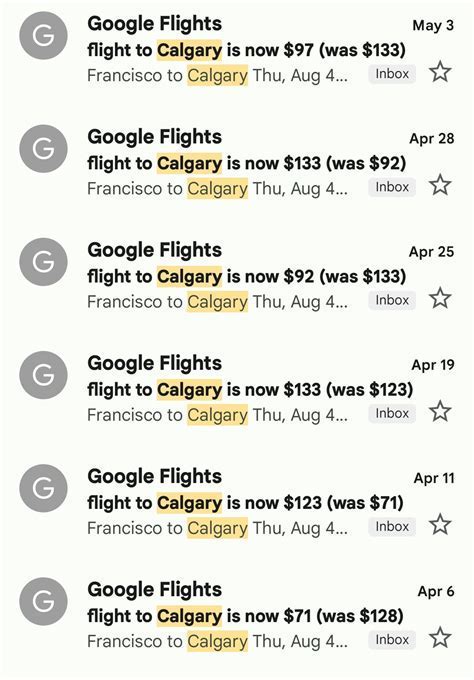
The most informed travelers don’t guess—they track. Platforms like Google Flights, Hopper, and Skyscanner provide predictive analytics that show whether current prices are high, low, or expected to change soon. Flight alerts can be set to notify you when prices dip, allowing you to book at optimal times.
Google Flights, for example, features a fare calendar that reveals price trends across multiple dates, letting travelers identify the cheapest departure and return combinations with ease. These tools have become indispensable for navigating the volatile post-holiday fare landscape.
Case Study: January vs. February Flights
Travelers looking to fly in mid-to-late January typically see significant fare reductions compared to peak December prices. For example, a round-trip ticket from New York to Los Angeles that may cost $600 during Christmas week often drops to $250–$350 by mid-January, depending on the carrier and day of the week.
In contrast, February brings mixed signals. While early February may still offer competitive prices, President’s Day weekend and school holidays in parts of the U.S. can create brief fare surges. International travel—especially to tropical climates—can remain high throughout February as winter-weary travelers escape the cold.
Thus, January is typically the more favorable month for budget-conscious travelers, while February requires more scrutiny and flexibility.
Does Booking Earlier Always Save You Money?
The age-old advice is to book early—but after the holidays, timing becomes nuanced. Booking too early in December for January travel might not yield the best price if airlines are still banking on extended holiday demand. Waiting until the first week of January often opens a better fare window, provided you’re not eyeing peak tourist destinations.
However, waiting too long can be risky. As seats sell and departure dates approach, airlines usually increase prices, not decrease them. Last-minute deals are rare unless demand is surprisingly weak.
Experienced travelers often recommend booking 3–6 weeks in advance during this season, depending on destination and flexibility. Monitoring prices daily and understanding your specific route’s historical patterns can provide a strategic edge.
The Role of Destination in Post-Holiday Price Behavior
Not all routes behave the same after Christmas. Tourist-heavy locations like Orlando, Cancun, and Las Vegas often experience sustained high demand into January due to winter getaways, conferences, and school breaks. Conversely, business-heavy corridors like Chicago to New York or LAX to SFO typically see fares fall more sharply post-holiday as business travel normalizes.
Travelers booking international flights should also consider regional holidays. For instance, Asia-Pacific destinations may maintain higher fares around the Chinese New Year, which often falls in late January or February. Similarly, European ski resorts experience peak traffic well into the new year.

How Airlines Respond to Low Post-Holiday Demand
Airlines manage the January lull in several ways:
- Reduced flight frequencies on low-demand routes
- Discounted base fares but with higher add-ons (baggage, seat selection)
- Flash sales or limited-time promotions targeted at last-minute travelers
- Dynamic reallocation of aircraft to routes still experiencing strong demand
This strategy allows carriers to preserve profit margins while stimulating bookings in off-peak periods. As such, travelers can benefit if they stay alert to deals but must also be prepared for less flexibility in terms of flight times or carrier options.
Best Practices for Booking Flights After Christmas
To make the most of the post-holiday travel window, consider these booking tactics:
- Set up multiple fare alerts across booking platforms for your intended route.
- Use flexible dates to find cheaper combinations, especially Tuesday through Thursday flights.
- Book flights departing after January 5th, when prices begin to normalize.
- Avoid long weekends and regional school holidays in February.
- Check baggage fees and extras, as some low base fares come with high add-on costs.
Timing and vigilance are key. Booking at the right moment can save hundreds of dollars, particularly for longer domestic or international routes.
Final Verdict: Do Prices Drop After Christmas?
Yes—but not immediately and not uniformly.
Airfare prices generally come down after New Year’s Day, particularly around January 7–20, depending on the route and destination. However, specific travel corridors with extended holiday demand or regional events may see continued high pricing well into January or February. Booking smart means understanding both macro seasonal trends and micro market behaviors.
Savvy travelers should leverage flight trackers, flexible schedules, and an understanding of airline pricing models to navigate the post-holiday period successfully. In many cases, January offers some of the year’s best flight deals, but only for those willing to research and act at the right time.