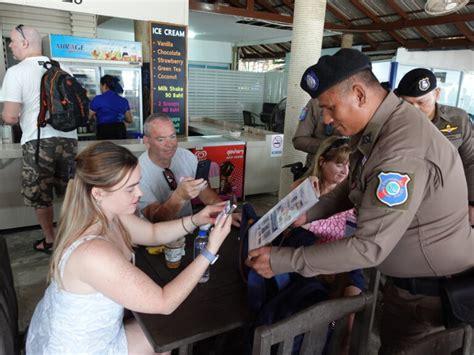
Portugal is taking a significant step towards bolstering the safety of its tourism sector with the launch of Operation ‘Come On.’ This comprehensive police initiative aims to ensure the security of overseas visitors during the bustling summer months, reinforcing the country’s commitment to maintaining its reputation as a premier travel destination. Under the guidance of Portugal’s Public Security Police (PSP), this operation seeks to elevate police visibility, heighten awareness, and implement crime deterrence strategies across the nation’s major tourist attractions.
The initiative comes at a time when the tourism industry is not only vital for Portugal’s economy but also essential for its global standing. According to data from Turismo de Portugal, the tourism sector contributed nearly 50% of the country’s service exports in 2024, accounting for 20.8% of the total export value. Furthermore, tourism represents 9.7% of Portugal’s Gross Domestic Product (GDP), making it a crucial driver of economic growth. With such an influential role, ensuring the safety of visitors is paramount for sustaining Portugal’s appeal as a top-tier travel destination.
In recognition of its tourism achievements, Portugal was honored at the 30th World Travel Awards in 2023, where it was named Europe’s leading tourist destination. The awards highlighted key cities and regions, with Porto recognized as “Europe’s Leading City Break Destination,” the Algarve crowned “Europe’s Leading Beach Destination,” Lisbon awarded “Europe’s Leading City Destination,” and Madeira recognized as “Europe’s Leading Island Destination.” These accolades reflect the growing influx of international visitors, further underscoring the need for robust safety measures.

Operation ‘Come On’: A Comprehensive Approach to Safety
Launched on July 11, 2025, Operation Come On will run until July 18, 2025, focusing on high-traffic tourist areas. The operation’s primary activities include increasing police presence, providing safety advice to tourists, enhancing visibility, and conducting surveillance in locations known for hosting major events. Through these proactive measures, the PSP aims to improve both subjective and objective perceptions of safety, thereby fostering trust between tourists and local authorities.
An integral aspect of Operation Come On is the collaboration with police forces from Spain, France, and Italy. Officers from these nations will join Portuguese police in conducting joint patrols and implementing crime prevention strategies. This international partnership not only enhances security but also fosters stronger tourism relationships within the European Union and beyond. The presence of officers from multiple countries provides tourists with an added sense of security, knowing that they are supported by law enforcement agencies from their home nations. Additionally, this collaboration ensures that visitors are better informed about local laws, customs, and regulations, which can often be a source of confusion in foreign environments.
Addressing Growing Concerns: The Importance of Tourist Safety
Tourist safety is a pressing concern in popular destinations worldwide. As global travel increases, so too do the complexities involved in protecting visitors. The Come On initiative serves as a valuable model for other countries with substantial tourism industries, showcasing how collaborative efforts can enhance security. By working together to mitigate risks associated with mass tourism, Portugal, Spain, France, and Italy demonstrate a proactive approach to addressing crime, accidents, and other potential hazards.
Countries like Spain, Italy, Greece, and Thailand, which attract millions of visitors annually, could greatly benefit from similar policing enhancements. Notably, nations such as Japan and New Zealand, renowned for their commitment to safety and high-quality tourism experiences, could serve as exemplary models for implementing such operations.
Global Implications of Operation Come On
The successful execution of Operation Come On carries the potential to positively influence global tourism dynamics. As cross-border crimes, including pickpocketing, scams, and theft, become more prevalent, Portugal’s initiative encourages other nations to bolster their policing efforts and cultivate similar international collaborations. Tourism hubs that invest in cooperative policing strategies are likely to experience increased tourist satisfaction, extended stays, and repeat visits.
Moreover, a strong reputation for safety is crucial in attracting high-value travelers who prioritize secure and seamless vacation experiences. Enhanced safety measures can also help mitigate the economic risks associated with incidents that tarnish a destination’s image. Historical precedents demonstrate that high-profile safety concerns, such as assaults on tourists or terrorist attacks, can lead to immediate declines in visitor numbers, as seen when travel advisories were issued against specific regions. A consistent commitment to tourist safety is essential for ensuring that a destination remains competitive in an increasingly crowded global tourism market.
A Blueprint for Other Destinations
Countries with thriving tourist sectors should view Portugal’s Operation Come On as a blueprint for enhancing visitor security. Establishing agreements with neighboring nations and pooling resources can significantly bolster the safety of tourists and foster a more secure travel environment. For instance, the United States, which welcomes a considerable number of international tourists each year, could benefit immensely from adopting a similar initiative in key tourist hotspots like New York, Orlando, and Los Angeles. This could involve coordinated efforts among local, state, and federal law enforcement agencies, alongside international collaborations with police from primary tourist-sending countries, such as Canada, the UK, and Germany.
Emerging tourism markets, such as Vietnam, India, and Brazil, might also consider implementing regional security partnerships that not only bolster their appeal to international tourists but also mitigate the risks associated with crime and insecurity.
Conclusion: A Step Towards Safer Tourism
Operation Come On represents a crucial advancement in ensuring the security of Portugal’s tourism industry. By fostering international cooperation among police forces, this initiative not only enhances safety but also elevates the perception of security among foreign visitors. As global tourism continues to grow, prioritizing traveler safety must remain a fundamental objective for any nation, particularly one like Portugal that relies heavily on tourism as a primary revenue source.
Portugal’s success with Operation Come On could inspire similar initiatives worldwide, ultimately ensuring a safe and enjoyable experience for travelers everywhere.