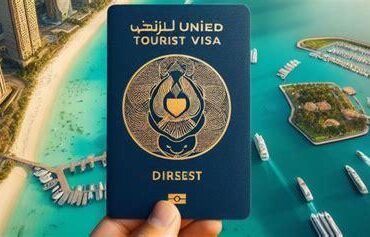
In a groundbreaking initiative for global travelers, the Gulf Cooperation Council (GCC) has announced a new unified tourist visa that will allow visitors to journey seamlessly across six Gulf nations with just one entry permit. This visa, which encompasses the United Arab Emirates, Saudi Arabia, Qatar, Bahrain, Kuwait, and Oman, promises to revolutionize the way tourists experience the diverse cultures, modern attractions, and breathtaking landscapes of the Gulf region. The decision to implement this visa was approved by GCC officials in November 2023, marking a significant step towards enhancing regional cooperation and tourism.
The new GCC tourist visa aims to simplify the travel experience within the region, drawing parallels to the European Union’s Schengen visa. It offers international travelers the opportunity to visit multiple GCC countries under a single application process. This streamlined approach is expected to significantly boost tourism, making the region more appealing to those eager to explore its myriad offerings.
Key Features of the GCC Tourist Visa
Several features make the GCC tourist visa particularly advantageous for travelers:
- Access to Six Countries: With this unified visa, tourists can explore all six GCC nations without the hassle of obtaining separate visas for each country. This feature is ideal for those wanting to immerse themselves in the unique cultures and experiences offered by each nation.
- Exclusive for Tourism and Family Visits: Designed specifically for leisure and family-oriented travel, the visa will not be available for business or work purposes. This focus ensures that the visa caters to those wishing to enjoy their time in the region without the distractions of work commitments.
- Simplified Online Application: The entire application process will be conducted online, allowing travelers to complete their applications in just a few simple steps. This digital approach eliminates the need for in-person appointments, thereby simplifying the acquisition of the visa.
- Visa Validity: The visa will be valid for 30 to 90 days, providing ample time for tourists to discover the rich heritage and attractions of the Gulf region at a leisurely pace.
- Cost-Effective: Expected to be affordable, the visa will significantly reduce the administrative complexities and costs associated with obtaining individual visas for each country, making it an attractive option for budget-conscious travelers.
How to Apply for the New GCC Tourist Visa
The application process for the GCC tourist visa is designed to be user-friendly and efficient. Here’s a step-by-step breakdown:
- Choose Your Travel Plan: Applicants can select whether they want to apply for a visa for a single country or for all six GCC nations, providing flexibility based on personal travel preferences.
- Submit Required Documents: Essential documents include:
- A valid passport (with a minimum of six months validity).
- A recent passport-sized photograph.
- Proof of accommodation (such as a hotel booking or an invitation letter).
- Valid travel insurance covering medical needs.
- Proof of sufficient funds (e.g., a bank statement).
- A return or onward flight ticket.
- Complete the Online Form: The online application will require basic personal information, travel plans, and accommodation details to be filled out.
- Pay the Visa Fee: Applicants will pay the visa fee online, ensuring a seamless transaction process. The fee structure is anticipated to be economical, further streamlining the process.
- Receive the Visa: Once approved, the visa will be emailed to the applicant. Travelers can present the digital version on their mobile devices or print it for entry at airports.
The Impact of the GCC Tourist Visa on Regional Tourism
The introduction of a unified tourist visa is poised to transform the tourism landscape in the Gulf region. By granting tourists the ability to visit multiple countries with a single visa, the GCC positions itself as an even more attractive destination for those seeking diverse experiences. From the dazzling skyline of Dubai and the vibrant streets of Doha to the ancient historical sites of Saudi Arabia and the stunning natural beauty of Oman, the new visa facilitates a comprehensive exploration of the region.
This innovative visa program is expected to bolster the tourism industry significantly, creating new opportunities for cultural exchanges, family visits, and cross-border travel. The ease of movement it provides will likely lead to an increase in tourist numbers, benefiting the local economies of each GCC member state. Furthermore, this initiative underscores the GCC’s commitment to regional cooperation and tourism development, enhancing its global competitiveness as a premier travel destination.
With the launch of the unified tourist visa, the Gulf region is set to become more accessible and appealing to international travelers. By offering a simpler, more affordable visa process and enabling exploration across multiple countries with a single permit, the GCC is paving the way for a new era in regional tourism. Whether visitors are drawn to the luxurious shopping malls and skyscrapers of the UAE, the rich cultural heritage of Saudi Arabia, or the breathtaking landscapes of Oman, this new visa will make it easier than ever to enjoy the unique offerings of the Gulf.
The GCC tourist visa represents a significant milestone in promoting tourism within the region, signaling a forward-thinking approach that prioritizes visitor experience and regional connectivity. As international travelers begin to take advantage of this new opportunity, the Gulf nations stand to gain not only economically but also culturally, fostering deeper connections between nations and peoples.