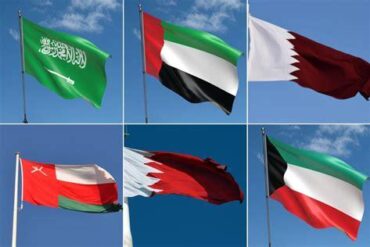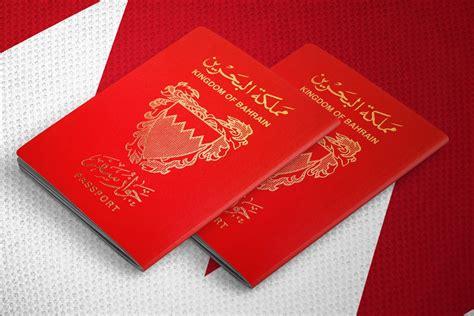
In 2025, the passport strength of the Gulf Cooperation Council (GCC) countries has reached new heights, with major advancements in mobility and access to global destinations. These countries, including the UAE, Qatar, Saudi Arabia, Kuwait, Bahrain, and Oman, have seen significant improvements in their passport rankings, thanks to strategic visa agreements, diplomatic initiatives, and growing international relations. The latest Henley Passport Index has placed the UAE at the top, while other GCC countries are also making notable strides, with the region collectively benefiting from enhanced access to key international markets.
The rise of GCC passports as a force of soft power is a testament to the broader geopolitical and economic ambitions of the Gulf nations. Through strategic diplomacy, visa-waiver agreements, and increased international cooperation, the GCC countries are positioning themselves as key players on the global stage, and their citizens are reaping the benefits. In this article, we explore the rapid ascent of the GCC’s passport power, how it reflects the region’s growing influence, and the exciting developments set to shape travel and tourism across the Gulf.
UAE: Leading the Charge in Global Mobility
At the forefront of this transformation is the UAE, which has witnessed a meteoric rise in passport strength, securing the 8th spot globally on the Henley Passport Index in 2025. Emirati citizens now enjoy visa-free or visa-on-arrival access to 184 countries, a remarkable achievement that reflects the UAE’s growing international influence. The country’s passport has seen unprecedented progress, climbing from 42nd place in 2015 to its current ranking, marking the most significant leap in the history of the index. This impressive rise is largely attributed to the UAE’s proactive foreign policy, which has focused on securing bilateral visa-waiver agreements with key global regions, including the European Union, China, Russia, and Latin America. The UAE has also been successful in negotiating visa-free access to countries such as Japan, Singapore, and Canada, placing it among the most powerful passports in the world.
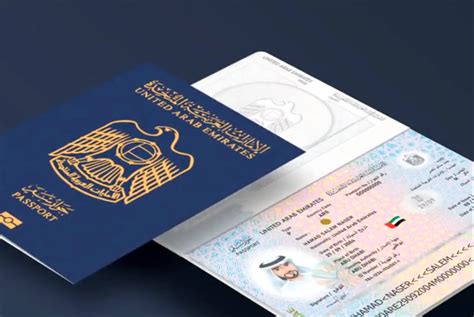
The UAE’s strategy of fostering international partnerships and diplomatic ties has played a crucial role in enhancing its global mobility. By focusing on visa waivers and relaxing travel restrictions, the country has opened up new avenues for Emirati citizens to travel the world with ease. This aligns with the UAE’s broader vision of becoming a global hub for business, tourism, and cultural exchange.
Qatar: Breaking New Ground with the US Visa Waiver Program
Qatar has also made significant strides in improving its passport strength, ranking 47th globally in 2025. One of the key factors behind Qatar’s rise is its inclusion in the US Visa Waiver Program (VWP), a historic first for any Arab country. This agreement, which takes effect in December 2024, grants Qatari citizens the ability to travel to the United States without a visa for stays of up to 90 days. As a result, Qatar’s passport now allows visa-free access to 112 destinations, up from 108 in 2024. Qatar’s entry into the VWP marks a significant diplomatic breakthrough, positioning the country as an important global player with close ties to the United States. This move enhances Qatar’s tourism and business prospects, making it easier for Qatari citizens to travel internationally and for visitors to the country to access key markets.
Saudi Arabia: Steady Progress with Strategic Access to Key Markets
Saudi Arabia’s passport has continued to progress steadily, now ranking 54th globally, with access to 91 destinations. Although Saudi Arabia’s rise has not been as dramatic as that of the UAE or Qatar, its steady improvement reflects a calculated and strategic approach to increasing its global influence. One of the major breakthroughs for Saudi Arabia came in June 2025, when China granted Saudi citizens visa-free access. This significant development marked a pivotal step in the kingdom’s diplomatic relations with China, further strengthening its position as a global player.
In addition, Saudi Arabia has also secured similar agreements with Turkey and the United Kingdom, which has expanded the reach of its passport and increased its mobility. The Saudi government’s focus on enhancing tourism and business opportunities has been a driving force behind these improvements. With the launch of initiatives such as Saudi Vision 2030, the country is aiming to diversify its economy and reduce its dependence on oil revenues. A key component of this vision is the development of the tourism sector, which has seen major investments in infrastructure, cultural experiences, and entertainment.
Kuwait: A Steady but Cautious Approach
Kuwait, ranked 50th globally on the Henley Passport Index, offers its citizens visa-free access to 100 destinations. While Kuwait has made progress, its growth in global mobility has been slower compared to its GCC counterparts. The country has not seen the same level of diplomatic breakthroughs or new visa agreements, which has contributed to its more modest ranking. Kuwait’s passport remains strong within the Gulf region, with its citizens benefiting from full visa-free movement within the GCC countries. However, the lack of major new bilateral agreements in recent years has limited the country’s global mobility growth.
The slow pace of progress can be attributed to Kuwait’s more cautious approach to passport diplomacy, coupled with the fact that the country’s application for Schengen visa-free access is still pending. Despite these challenges, Kuwait’s passport continues to offer significant advantages to its citizens, particularly in terms of regional travel within the GCC.
Oman and Bahrain: Modest Mobility Gains
Oman and Bahrain rank 56th and 55th respectively on the Henley Passport Index, with Omani citizens enjoying visa-free access to 88 destinations and Bahraini citizens having access to 90 destinations. Both countries have made gradual improvements in their passport strength, but their progress has been slower compared to regional leaders like the UAE and Qatar. Oman’s passport has improved from 65th place in 2023 to 60th in 2024, and now to 56th in 2025. Bahrain has also made modest gains, climbing from 59th place in 2024 to 55th in 2025.
These improvements reflect the ongoing efforts of both countries to enhance their international connectivity and regional integration through the GCC framework. In June 2025, both Oman and Bahrain, along with the other GCC countries, received a major boost to their passport strength when China extended visa-free access to all six Gulf states. This decision has contributed to the gradual improvement in global mobility for both countries and is expected to drive increased tourism, business, and cultural exchanges between the Gulf region and China.
China’s Diplomatic Play: Visa-Free Access for All GCC Countries
In June 2025, China made a landmark move by granting visa-free access to all six GCC nations: the UAE, Saudi Arabia, Qatar, Kuwait, Bahrain, and Oman. This decision represents a significant diplomatic and economic development, deepening China’s geopolitical and economic ties with the Middle East. Previously, only the UAE and Qatar had enjoyed visa-free entry to China. As of June 9, 2025, Saudi Arabia, Oman, Kuwait, and Bahrain were included in this expanded policy, allowing citizens of these countries to stay in China for up to 30 days for business, tourism, or family visits.
This move reflects China’s broader strategy to strengthen its relationships with Gulf countries, particularly in the areas of trade, tourism, and cultural exchange. This initiative is expected to significantly boost tourism and investment flows between China and the Gulf region. It also positions China as an increasingly important destination for GCC travelers and enhances its strategic engagement in the Middle East.
Intra-Gulf Mobility: A Regional Strength
Despite variations in global passport rankings, all six GCC countries benefit from the free movement of their citizens within the region. This intra-GCC mobility is a key strength for the Gulf states, allowing their citizens to travel freely across borders without the need for visas or additional paperwork. This seamless travel experience has been instrumental in fostering greater regional cooperation, economic integration, and cultural exchange within the GCC. The free movement of citizens within the region remains a fundamental aspect of the Gulf Cooperation Council, and it is unaffected by the global rankings of individual passports. This intra-regional mobility provides a strong foundation for continued collaboration and integration among the GCC nations.
Conclusion: The Future of Gulf Passport Power
The rise in passport strength among the GCC countries represents a significant shift in the region’s global standing. With the UAE leading the charge, followed by Qatar, Saudi Arabia, and other GCC members, the region is increasingly seen as a powerhouse of international diplomacy and mobility. The expansion of visa-free access to key global destinations, particularly China, underscores the Gulf’s growing influence on the world stage. In the future, it is expected that Saudi Arabia, Kuwait, Oman, and Bahrain will continue to make incremental progress in their passport rankings. With ongoing diplomatic efforts, the introduction of new visa agreements, and the continued focus on tourism and economic diversification, the GCC region is well-positioned to maintain its upward trajectory in global mobility. The introduction of visa-free access to China is just one example of how the GCC’s diplomatic initiatives are reshaping the region’s global connections. As these countries continue to build stronger relationships with international partners, their passports will become increasingly powerful, further enhancing their citizens’ ability to travel freely and easily across the world. In the years ahead, the Gulf Cooperation Council’s countries will continue to strengthen their passports, making travel more accessible and opening up new opportunities for both residents and tourists alike. As the region moves toward greater global integration, the future of Gulf passports looks bright, with continued improvements in mobility and international influence.