The aviation sector across the Gulf Cooperation Council (GCC) countries is undergoing a transformation as airlines in the region expand their networks and enhance global connectivity. The introduction of new international routes, especially for 2025, demonstrates the region’s commitment to fostering deeper economic ties, enhancing tourism, and solidifying its position as a key player in the global travel industry. From Air Arabia’s new expansions to the rise of regional carriers like Flynas and SalamAir, the air travel landscape in the GCC is becoming increasingly dynamic, offering travelers more options, better connectivity, and enhanced convenience.
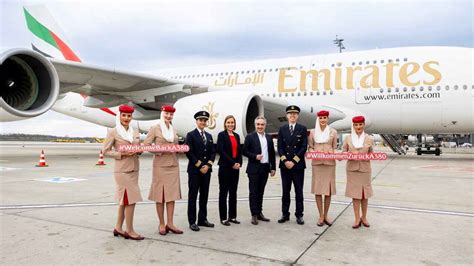
One of the most significant developments in the GCC aviation scene is Emirates’ resumption of flights to Damascus, Syria, after a hiatus of over a decade. Set to begin on August 2, 2025, Emirates will operate flights from Dubai to Damascus on Mondays, Wednesdays, and Sundays, utilizing Boeing 777-200LR aircraft. This route will connect the UAE with Syria, serving both the diaspora and those seeking to travel for business, tourism, or personal reasons. This resumption is highly symbolic, as it highlights Emirates’ commitment to reconnecting previously underserved regions while contributing to the recovery of Syria’s aviation infrastructure. After years of limited international connections, the reopening of this route is a positive sign of growth and renewal. It not only opens up easier access for Emiratis and Syrians but also represents the UAE’s broader foreign policy goals of enhancing diplomatic relations through travel and trade. Given the historical ties between Syria and the UAE, this resumption is expected to strengthen both countries’ cooperation on multiple fronts, from business and cultural exchanges to humanitarian assistance. Emirates’ decision to re-enter the Syrian market also reflects the airline’s ability to adjust to evolving global demands. By providing a direct link between Dubai and Damascus, Emirates ensures it remains an integral part of the international air travel network, bridging gaps in the Middle East while reinforcing its position as a leader in the global aviation industry.
Qatar Airways has recently achieved a major milestone, with its passport and global travel connectivity boosted significantly by the country’s entry into the US Visa Waiver Program (VWP). This agreement, effective from December 2024, allows Qatari citizens to enter the United States without a visa for stays of up to 90 days. This breakthrough has caused a significant leap in Qatar’s passport ranking and is now contributing to a surge in its tourism and diplomatic stature. Following this agreement, Qatar Airways has announced several new flight routes, the first of which connects Doha to various European destinations like Rome, Munich, and Paris, all of which will experience increased services. This development, alongside Qatar Airways’ already established global network, creates an incredibly streamlined travel experience for Qatari passport holders and visitors alike. Qatar Airways is aiming to increase the frequency of its flights to North America and European destinations, making travel easier and more accessible for its passengers. In particular, Qatar Airways will be introducing direct flights from Doha to New York and Toronto, offering even more frequent services for international travelers. This aligns with Qatar’s broader diplomatic efforts to strengthen relationships with North America and Europe. The country’s newfound access to the US Visa Waiver Program, combined with its improved air connectivity, promises to enhance its status as a key international travel hub. Qatar’s focus on enhancing its global connectivity also boosts the country’s economic profile, providing easier access to international markets, and opening doors for more diverse tourism opportunities. This is also reflective of the broader push to diversify Qatar’s economy, which has traditionally been reliant on oil and gas exports, by increasing the role of non-oil industries such as tourism and aviation.
Saudi Arabia, traditionally a leader in the Middle Eastern oil industry, has steadily increased its international air connectivity, with the Saudi Arabian passport now ranking 54th globally on the Henley Passport Index. This improvement comes alongside the country’s efforts to diversify its economy as part of its Vision 2030 initiative, which includes significant investments in tourism, technology, and infrastructure. In June 2025, Saudi Arabia reached a landmark achievement with the announcement of visa-free access to China, which was followed by similar agreements with Turkey and the United Kingdom. These new agreements significantly broaden the kingdom’s international reach, bringing the total number of destinations accessible without a prior visa to 91. This marks a steady but significant improvement in Saudi Arabia’s international standing, boosting its attractiveness as a business and tourism destination. Additionally, the expansion of Saudi Arabia’s domestic tourism sector and its efforts to position itself as a leading destination for religious tourism, including the annual Hajj pilgrimage, have strengthened the country’s aviation market. The addition of key routes to major global hubs such as Beijing, London, and Istanbul will further bolster Saudi Arabia’s global connectivity, allowing travelers from the region to access more destinations while enhancing business and cultural exchanges with these key markets. Saudi Arabian Airlines (Saudia) will continue to increase the number of international routes from Riyadh and Jeddah, further facilitating global mobility for Saudi citizens and travelers. The nation’s improved passport power will likely lead to more favorable agreements with other countries, further enhancing Saudi Arabia’s global positioning in the aviation sector.
Kuwait, ranked 50th globally in the 2025 Henley Passport Index, continues to offer visa-free access to around 100 destinations. While Kuwait’s passport strength has improved steadily, the country has not seen the same level of rapid progress as some of its GCC counterparts, like the UAE and Qatar. The main challenge for Kuwait lies in the lack of major new bilateral visa agreements that could expand the passport’s global mobility. Despite this, Kuwaiti citizens benefit from significant regional advantages, especially within the Gulf region, where they can travel freely across GCC countries without the need for additional visas. However, the country’s visa-free access remains limited on a global scale, which has kept its rank behind the UAE and Qatar. Kuwait’s cautious approach to diplomacy and global mobility has contributed to its slower ascent in the Henley rankings. However, the country’s strategic location and ongoing diplomatic engagement with key global partners suggest that Kuwait’s passport may see further improvements in the future. Its ongoing negotiations for Schengen visa-free access and other international partnerships could eventually provide the necessary momentum for a leap forward in future rankings.
Oman and Bahrain have both made steady progress in the global mobility rankings, with Omani passport holders now enjoying visa-free access to 88 destinations, while Bahraini citizens have access to 90. While neither country has seen the rapid increases seen in the UAE or Qatar, their passports are gradually improving, driven by strategic diplomatic engagements and visa agreements with key partners. Oman’s steady improvement is evident in its rise from 65th place in 2023 to 60th in 2024, and now 56th in 2025. This increase reflects the country’s ongoing diplomatic outreach and efforts to enhance connectivity within the Gulf and beyond. Similarly, Bahrain has seen modest gains, climbing four places from 59th in 2024 to 55th in 2025. This improvement underscores Bahrain’s efforts to bolster its international relations and improve global mobility for its citizens. A key development for both countries was their inclusion in China’s expanded visa-free program in June 2025, which granted all six GCC nations visa-free access to China for up to 30 days. This change is expected to significantly boost tourism, business, and cultural exchanges between China and the GCC nations, including Oman and Bahrain. While both countries still rank behind their Gulf neighbors, their growing regional and international collaborations are positioning them for further growth in the future.
In a major move to strengthen its relationships with the Gulf region, China extended visa-free access to all six GCC countries in June 2025. This historic decision means that citizens of the UAE, Saudi Arabia, Qatar, Kuwait, Bahrain, and Oman can now visit China for up to 30 days for purposes including tourism, business, and family visits. This change is a significant step in Beijing’s broader strategy to deepen its geopolitical and economic ties with the Middle East. Previously, only the UAE and Qatar enjoyed visa-free entry to China, but the new policy will open up new opportunities for travelers from the rest of the GCC. This move is expected to further boost tourism and investment flows between China and the Gulf region, making it easier for GCC citizens to explore one of the world’s most populous and dynamic countries.
The Gulf Cooperation Council countries are emerging as leaders in global passport mobility, thanks to strategic diplomatic initiatives and visa agreements that have boosted global access for their citizens. As the UAE, Qatar, and Saudi Arabia continue to rise in the Henley Passport Index, Oman and Bahrain also show steady improvement. The expansion of visa-free access to China has been a key milestone, and the continuing efforts to secure new visa agreements will further enhance the region’s global connectivity. The future looks bright for GCC passports, with ongoing efforts to strengthen diplomatic relations and improve mobility for citizens. As the region diversifies its economies away from oil dependence, these advances in passport strength are helping to position the Gulf nations as key players in the global travel, business, and tourism markets. With more strategic agreements and ongoing regional cooperation, the GCC countries are set to continue their upward trajectory in the global passport rankings, offering their citizens greater freedom of movement and enhancing the region’s standing on the world stage.