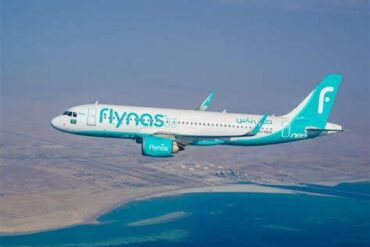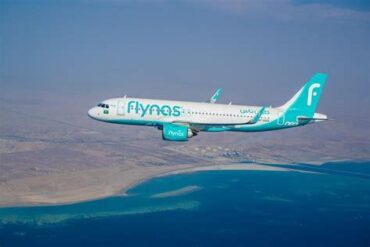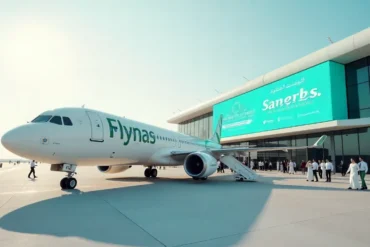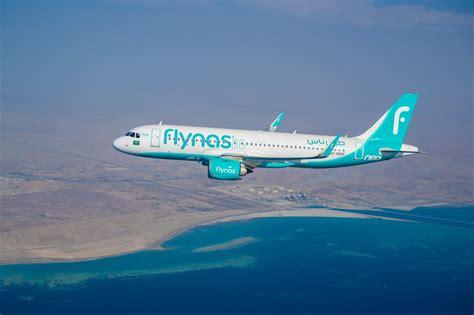
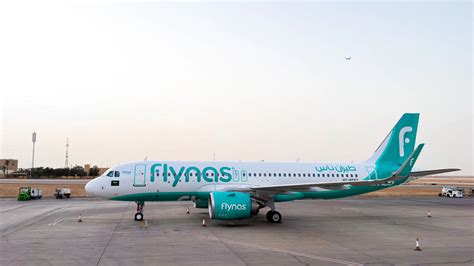
Flynas, Saudi Arabia’s first low-cost airline, has revolutionized regional air travel with a strategic blend of affordability, innovation, and international ambition. Established in 2007 as Nas Air, Flynas has grown into a dynamic aviation leader headquartered in Riyadh, operating over 1,500 weekly flights across more than 70 destinations spanning the Middle East, Asia, Europe, and Africa. As of February 2025, the carrier operates a fleet of 61 aircraft, with an aggressive expansion strategy evidenced by 80 additional planes on order.
Origins and Evolution: From Nas Air to Flynas
Flynas began as Nas Air, launched during a critical moment when the Saudi aviation sector was opening up to competition beyond the national carrier. Receiving its operating license in 2007, the airline began commercial flights on February 25 of the same year. That same year, it signaled its intent to grow by placing a firm order for 20 Airbus A320 family aircraft, laying the foundation for its all-Airbus fleet model.
In November 2013, the airline rebranded from Nas Air to Flynas, symbolizing a fresh strategic direction that emphasized technological modernization and global connectivity. Just four years later, in January 2017, Flynas secured a transformative deal to acquire 80 Airbus A320neo aircraft, scheduled for delivery through 2026. This bold move was further supplemented in June 2023 with an additional 30 A320neo aircraft, including 10 Airbus A321XLR, bringing its total Airbus narrow-body orders to 120.
A significant milestone in the brand’s digital journey was reached in July 2017, when its mobile app surpassed one million downloads, reflecting a growing base of tech-savvy travelers engaging with the airline’s streamlined digital services. Flynas began integrating the Airbus A320neo into its operations in November 2018, further enhancing fuel efficiency and route flexibility.
Corporate Leadership and Strategic Vision
Flynas operates under the stewardship of seasoned aviation leaders. Bander Al-Mohanna serves as Chief Executive Officer, with Ayed Al-Jeaid as Chairman of the Board. The leadership team includes Vice-Chairman Talal Al-Maiman and board members Hamza Al-Kholi, Saad Al-Mousa, and Saleh Al-Henaki. Their governance supports Flynas’s vision of sustainable growth, international connectivity, and service excellence in low-cost aviation.
Destinations and Route Development
As of September 2023, Flynas had established an expansive network of 99 routes across 54 destinations, supported by strategic hubs in Riyadh, Jeddah, Dammam, and Medinah. This network includes key religious, commercial, and tourist routes, reflecting the airline’s dual commitment to economic growth and cultural accessibility.
The airline first explored the Egyptian market in 2009, with service to Assiut and Sharm el Sheikh, the latter offered on a seasonal basis. Its foray into Turkey began in 2011 with routes to Adana, Antakya, and Istanbul, while the Pakistani market saw growth with Lahore added following the earlier Karachi service.
In February 2013, Flynas expanded international connectivity from Dammam, launching flights to Yanbu and Khartoum—the latter marking its first international service from the city. A year later, it launched the Global Flight Routes program in February 2014, enabling passengers from Jeddah to access a broad array of destinations across Africa, Asia, and Europe, with a focus on supporting religious travel.
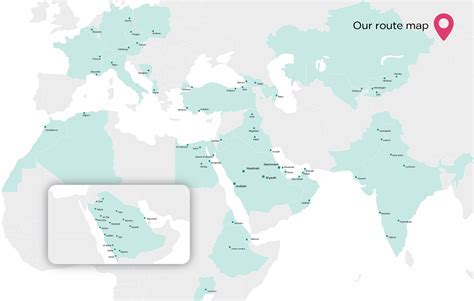
By March 2014, Flynas had leased its first Airbus A330s from Portuguese lessor Hi Fly, introducing medium- and long-haul services. The company also announced plans to include the Airbus A350 in its future fleet. In April 2014, Flynas made headlines by becoming the first low-cost airline to offer direct service between Saudi Arabia and the United Kingdom, with the Jeddah–London Gatwick route. This success was short-lived for some routes, as its Manchester service, launched on 7 May 2014, was discontinued just three months later. Despite some setbacks, the ambition remained, with Flynas planning routes to Jakarta, Kuala Lumpur, Casablanca, Islamabad, and more.
By October 2014, the airline had begun scaling back long-haul services due to operational challenges and performance issues. Nevertheless, it continued expanding domestic routes, adding Al-Qassim to the network. By April 2015, Flynas had solidified its presence on the three busiest domestic routes by seat availability: Jeddah–Riyadh, Dammam–Riyadh, and Jeddah–Dammam.
Pilgrimage and Religious Services
Flynas plays a pivotal role in transporting Hajj and Umrah pilgrims, leveraging its extensive domestic network and international reach. This operational niche strengthens its brand positioning in religious tourism, a critical market segment for Saudi Arabia’s Vision 2030 initiative aimed at increasing pilgrimage capacity.
Codeshare Alliances and IATA Membership
Flynas has demonstrated strategic foresight through its codeshare partnerships. Its collaboration with Etihad Airways, initiated in 2012, allows it to place its code on numerous Etihad-operated routes out of Abu Dhabi. This cooperation expands Flynas’s reach across global routes without incurring the capital costs of long-haul fleet expansion.
In May 2016, Flynas entered into a codeshare agreement with Pegasus Airlines, further strengthening its European connectivity. The airline’s 2020 admission into the International Air Transport Association (IATA) was a major milestone. This membership enhances its capacity to engage in future codeshare agreements and global commercial aviation initiatives.

Fleet Strategy and Technical Specifications
Flynas maintains an all-Airbus fleet, ensuring streamlined maintenance and crew training efficiencies. The airline has embraced the A320neo family as the backbone of its operations, prioritizing modern, fuel-efficient aircraft suitable for both short and medium-haul operations.
Current Fleet as of February 2025:
- Airbus A320-200: 5 aircraft (164 seats)
- Airbus A320neo: 54 aircraft in operation, 55 on order (174 seats)
- Airbus A321XLR: 10 on order
- Airbus A330-300: 2 aircraft (335 seats)
- Airbus A330-900: 15 on order
The total fleet of 61 aircraft will soon be bolstered by 80 additional units, underlining Flynas’s aggressive growth trajectory. This expansion is designed to support both new destination launches and increased frequencies on high-demand routes.
Historic Fleet:
Flynas and its predecessor have also operated a range of aircraft including the Airbus A319-100, Airbus A330-200, Boeing 747-400, and Boeing 767-300ER, each contributing to various operational phases as the airline matured.
Conclusion: Flynas and the Future of Saudi Aviation
Flynas is more than a budget airline—it is a catalyst for Saudi Arabia’s aviation and economic transformation. Its bold fleet strategy, forward-thinking route planning, and digital innovation continue to redefine travel norms in the region. Despite early challenges with long-haul operations, Flynas has solidified its standing as a resilient and adaptive carrier, ready to connect the Kingdom to the world in a more affordable, accessible, and efficient way.
As Saudi Arabia continues to position itself as a global hub for tourism, commerce, and pilgrimage, Flynas stands prepared to play a central role in that journey—one route, one aircraft, and one satisfied passenger at a time.