Saudi Arabia is reopening its doors to the world, ushering in a new era of travel that combines cultural immersion and spiritual journeys. With the resumption of both tourist and Umrah e-visas, the Kingdom is ready to welcome international visitors this summer, marking a pivotal moment in the post-pandemic travel landscape. As restrictions ease and the Hajj season concludes, Saudi Arabia is set to become one of the most accessible and attractive destinations for travelers seeking adventure, culture, and religious experiences.
Streamlined Travel: Visa-on-Arrival for Tourists
In a strategic move to enhance accessibility, Saudi Arabia has introduced a visa-on-arrival option specifically targeting tourists from regions with significant travel traffic. Travelers who hold valid visas from Schengen countries, the UK, or the US, along with residents from these regions, can now conveniently obtain a visa upon arrival at various entry points throughout the Kingdom. This initiative not only simplifies the travel process but also significantly boosts Saudi Arabia’s appeal, particularly for tourists hailing from Europe and North America.
This policy shift is part of Saudi Arabia’s broader strategy to reposition tourism as a vital component of its economy, reducing reliance on oil revenues. With the summer tourism season in full swing, the Kingdom anticipates an influx of international visitors eager to explore its unique offerings. From the exhilarating Esports World Cup in Riyadh to serene coastal retreats along the Red Sea, the reasons to visit Saudi Arabia are plentiful.
A Calendar Full of Events and Activities
The Kingdom boasts a packed calendar of events aimed at captivating a global audience. One of the standout occasions is the Esports World Cup, which is expected to draw gamers and esports enthusiasts from around the globe. This event, indicative of the larger esports boom within Saudi Arabia, is just one highlight among many cultural festivals, art exhibitions, and music performances slated for the year.
In addition to these major events, Saudi Arabia’s breathtaking coastline, especially along the Red Sea, provides a stunning backdrop for those in search of relaxation or adventure. The country’s diverse landscapes—encompassing vast deserts, towering mountains, and pristine beaches—invite tourists to connect with nature or indulge in thrilling water sports. Visitors can also immerse themselves in history by exploring significant landmarks, including the ancient Nabatean city of Al-Ula and several UNESCO World Heritage sites scattered throughout the nation.
Welcoming Umrah Pilgrims with Open Arms
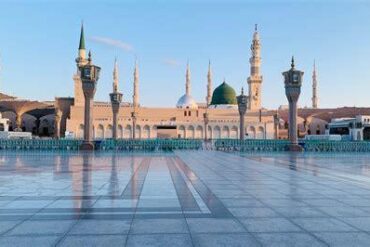
The revival of the Umrah visa program marks another monumental step in Saudi Arabia’s efforts to reclaim its position as a premier destination for religious tourism. Following the completion of the Hajj pilgrimage in June, the Kingdom resumed issuing Umrah visas starting June 10. This pivotal reopening allows Muslim travelers worldwide to visit Makkah for the Umrah pilgrimage, a spiritually enriching journey that can be undertaken year-round.
With the lifting of restrictions imposed during the Hajj period, Umrah pilgrims can now access Makkah more freely, performing their religious duties with greater ease. This development is particularly significant as it facilitates smoother entry into the holy city for travelers possessing the required religious and travel documentation. As the Kingdom prepares to host thousands of pilgrims in the upcoming months, it is committed to ensuring that all visitors can experience the sacred sites of Islam comfortably and safely.
Post-Hajj Reopening: Easing of Travel Restrictions
Saudi Arabia had previously suspended the issuance of all types of visas—tourist, family visit, and Umrah visas—leading up to the Hajj season to manage the flow of pilgrims effectively. This temporary measure was essential for the smooth execution of the pilgrimage, which attracts millions each year. However, with the conclusion of Hajj rituals and the return of pilgrims, these restrictions have been lifted, signaling a robust reopening of the Kingdom to international visitors.
This positive step not only revitalizes religious tourism but also invigorates Saudi Arabia’s broader tourism sector. As the Kingdom strives to diversify its economy, the tourism industry is poised for substantial growth, with both religious pilgrims and leisure tourists playing pivotal roles in this transformative phase.
Vision 2030: A Blueprint for Tourism Growth
The resumption of both tourist and Umrah e-visas aligns seamlessly with Saudi Arabia’s ambitious Vision 2030 initiative, which aims to diminish the country’s dependence on oil revenues by fostering growth in non-oil sectors, with tourism at the forefront. Vision 2030 seeks to position Saudi Arabia as one of the world’s top travel destinations by increasing international visitor numbers and showcasing the Kingdom’s rich cultural and natural heritage.
By easing visa restrictions, Saudi Arabia is strategically positioning itself to emerge as a key player in the global tourism market. This open-door policy signifies the Kingdom’s commitment to cultivating a vibrant, diverse tourism sector that appeals to travelers from all corners of the globe.
Saudi Arabia’s New Era of Tourism: Ready for the World
As Saudi Arabia embarks on this transformative journey in tourism, it is set to become a prime destination for a diverse array of travelers. Whether you are a Muslim pilgrim eager to perform Umrah, a business traveler attending one of numerous international conferences, or a leisure tourist exploring the Kingdom’s myriad wonders, there has never been a more opportune time to visit.
The resumption of both tourist and Umrah e-visas represents merely the beginning of a new chapter in Saudi Arabia’s tourism narrative—one that promises an abundance of experiences for every type of visitor. With its rich cultural tapestry, historical significance, and breathtaking landscapes, Saudi Arabia stands ready to welcome the world, offering travelers an unforgettable blend of adventure, spirituality, and cultural exploration.