Spiritual Tourism Boom: A Double-Edged Sword
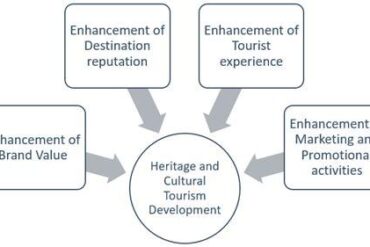
The popularity of spiritual tourism in Morocco is undeniable, creating a dual narrative of opportunity and challenge. On one hand, it has opened up economic avenues, generating income and employment opportunities for local communities. The hospitality sector, artisan trades, transportation services, and small businesses have all experienced significant growth as a result. Yet, the rapid commercialization of sacred spaces comes with a price. Critics argue that this surge threatens to dilute the authenticity of religious and cultural practices, transforming deeply rooted traditions into mere attractions for tourists. As spiritual sites become increasingly commercialized, we must carefully evaluate the balance between economic benefits and the preservation of cultural integrity.
Economic Benefits: Boosting Local Economies
Spiritual tourism plays a pivotal role in enhancing Morocco’s economy. The financial influx from international visitors has invigorated local markets and provided crucial revenue streams. Small businesses thrive as demand increases for authentic Moroccan crafts, cuisine, and experiences. This economic stimulus not only supports individual livelihoods but also contributes to community development. However, the long-term sustainability of these benefits remains in question. As spiritual sites gain popularity, they may become overrun, leading to potential degradation and loss of their cultural significance.
Cultural Integrity: Preservation Versus Commercialization
As the footfalls of tourists increase in sacred locations, the concern surrounding the commercialization of cultural practices intensifies. Many locals feel that their traditions are being altered or simplified to cater to foreign expectations. Rituals that once held deep spiritual meaning may be modified to create more appealing spectacles for tourists, threatening the very essence of what makes these practices special. Balancing the economic advantages of tourism with the need to protect and honor local customs is a complex challenge that requires thoughtful engagement and management. Community involvement is essential in ensuring that tourism enhances rather than undermines Morocco’s rich cultural heritage.
Community Impacts: Respectful Engagement Needed
At the heart of the discussion about spiritual tourism are the local communities themselves. While the economic opportunities are welcomed, many residents express concerns about the disruptive behaviors of tourists. Incidents of disrespect during sacred rituals and the pressure to commercialize traditions can lead to a sense of alienation among locals. To address these issues, it is crucial to engage communities in the tourism development process. Empowering residents to voice their opinions and concerns can foster a more respectful and sustainable approach to tourism that honors their traditions while benefiting from the economic opportunities it presents.
Ethical Tourism Practices: Promoting Responsible Travel
As discussions about the ethics of spiritual tourism unfold, it becomes increasingly important to advocate for responsible travel practices. Tourists should be encouraged to engage respectfully with local customs, understand the significance of rituals, and support local artisans and businesses directly. Ethical tourism not only enhances the travel experience but also fosters mutual respect between visitors and hosts. Encouraging appropriate attire, thoughtful participation in ceremonies, and a genuine appreciation for local culture can transform the narrative from exploitation to collaboration.
Government and Industry Roles: Establishing Regulatory Frameworks
To safeguard Morocco’s spiritual heritage against the pitfalls of commercialization, effective oversight from both the government and tourism industry is essential. Establishing comprehensive regulatory frameworks that outline ethical guidelines for tourism operations can help protect cultural authenticity. Collaborative efforts among government agencies, tourism operators, community leaders, and international organizations are vital to creating sustainable tourism models that respect the integrity of local cultures. Proactive measures that prioritize community well-being and cultural preservation will be key to navigating the complexities of spiritual tourism.
Educational Initiatives: Informing and Empowering Travelers
Education plays a crucial role in fostering respectful interactions between tourists and local communities. By providing comprehensive resources about Morocco’s spiritual heritage and guidelines for respectful travel, stakeholders can empower travelers to engage meaningfully with the culture they are visiting. Educational initiatives, such as awareness campaigns and guided cultural experiences, can enhance visitor understanding and appreciation of local customs, ultimately leading to more positive outcomes for both tourists and residents.
Environmental Considerations: Sustainability in Tourism
The environmental impact of increased spiritual tourism is another critical factor that warrants attention. The sustainability of sacred sites, local ecosystems, and natural resources must be prioritized to ensure that tourism does not compromise the very landscapes that attract visitors. Implementing eco-friendly practices and responsible visitor behaviors can help protect Morocco’s environment while still allowing for cultural and spiritual exploration. Integrating sustainability principles into tourism operations is essential for preserving the natural beauty and cultural integrity of Morocco for future generations.
Challenges and Opportunities: Navigating Cultural Tourism Dynamics
While the opportunities presented by spiritual tourism are substantial, effectively managing the dynamics of cultural tourism poses significant challenges. Issues such as cultural commodification and the impacts on local communities require comprehensive planning and stakeholder collaboration. Strategies that include cultural sensitivity training for tourism operators, community-based tourism initiatives, and ongoing dialogue with local residents are vital for successfully navigating these complexities. By addressing these challenges proactively, Morocco can harness the potential of spiritual tourism while safeguarding its cultural and spiritual heritage.
Long-Term Vision: Balancing Economic and Cultural Sustainability
Morocco’s long-term vision for spiritual tourism involves striking a delicate balance between economic growth and cultural sustainability. Strategic planning that emphasizes the preservation of heritage, community engagement, and responsible tourism practices is essential. By fostering a collaborative approach to tourism development, Morocco can ensure that the economic benefits of spiritual tourism do not come at the cost of its rich cultural legacy. This balanced perspective is crucial for the continued vitality of both local communities and the cultural heritage that attracts tourists.
Conclusion: Ensuring Ethical and Sustainable Spiritual Tourism
The rapid growth of spiritual tourism in Morocco underscores the importance of responsible management practices that prioritize sustainability and cultural preservation. To mitigate the hidden costs associated with cultural exploitation, it is vital to empower local communities and foster respectful visitor interactions. By harmonizing economic development with the protection of cultural heritage, Morocco can safeguard its diverse spiritual landscape, ensuring that spiritual tourism serves not only as a source of economic gain but also as a catalyst for cultural enrichment and mutual understanding.