In a transformative move that redefines cross-cultural collaboration, Madhya Pradesh has initiated a historic Memorandum of Understanding (MoU) with Alliance Française de Bhopal, strengthening Indo-French ties through an ambitious framework aimed at promoting tribal art, cultural heritage, educational exchange, and sustainable tourism. Signed on June 13, 2025, in Bhopal, this landmark agreement marks a decisive leap in India’s soft power diplomacy and cultural diplomacy ambitions.
A Historic Accord Cemented by Diplomacy and Vision
The signing ceremony brought together luminaries from both nations, including Dr. Thierry Mathou, French Ambassador to India, and Dr. Mohan Yadav, Chief Minister of Madhya Pradesh. Their presence was a clear signal of political will and cultural commitment. They were joined by Jean-Marc Séré-Charlet, Consul General of France in Mumbai, as well as Sheo Shekhar Shukla, Principal Secretary for Culture and Managing Director of the Madhya Pradesh Tourism Board, and Akhilesh Verma, President of Alliance Française de Bhopal.
The MoU underscores a multi-dimensional cultural roadmap spanning visual and performing arts, literature, education, language, and tourism. It is not just an agreement—it is a strategic blueprint for generating intercultural discourse, mutual growth, and a long-lasting legacy of shared creativity.
Reviving and Internationalizing Tribal Art Through Gond Tradition
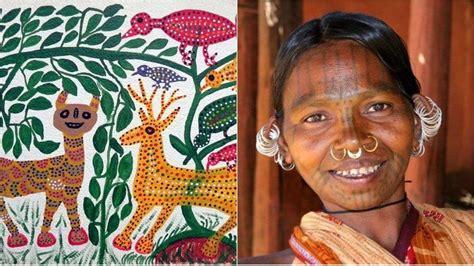
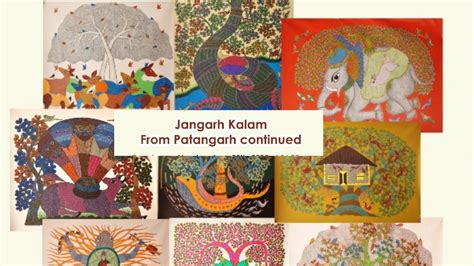
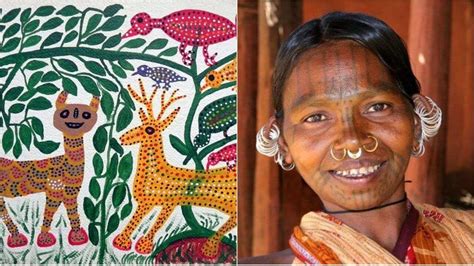
At the heart of this alliance is the desire to bring Gond art—a vivid, symbolic tribal art form of Madhya Pradesh—onto the international stage. On June 12, in a symbolic prelude to the MoU, Alliance Française de Bhopal hosted “Jangarh Kalam: A Vibrant Legacy,” an exhibition commemorating the birth anniversary of Jangarh Singh Shyam, a revolutionary figure in Pardhan Gond painting.
Sixteen master artists presented their works in an evocative tribute to nature, mythology, and the tribal imagination. Each canvas told a story rooted in the soil of central India yet brimming with universal resonance. The exhibition served as a powerful demonstration of the MoU’s intent: to provide tribal artists with a global platform without diluting their cultural essence.
Cultural Immersion and Bilateral Exploration
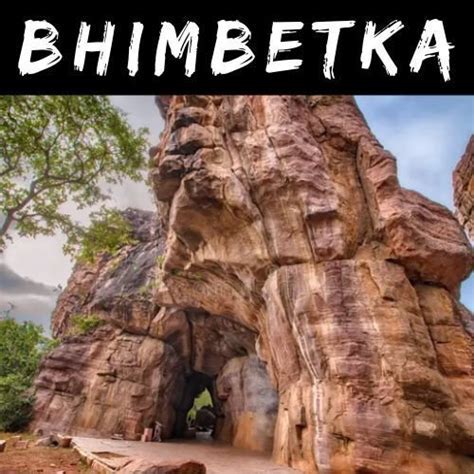
The French delegation embarked on a curated cultural journey through the iconic sites of Madhya Pradesh. The UNESCO World Heritage Site of Sanchi Stupa, representing the finest of Buddhist architecture, and the Bhimbetka rock shelters, with their Neolithic cave paintings, served as open-air museums narrating India’s ancient history.
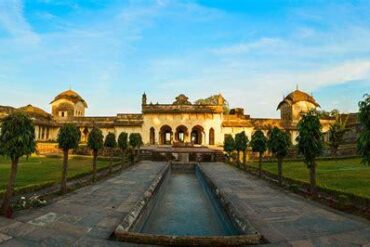
They visited the Tribal Museum and Gauhar Mahal, experiencing a sensory immersion into tribal lives, rituals, and narratives. These explorations contextualized the deep-rooted cultural identity of Madhya Pradesh and reinforced the region’s viability as a living heritage destination.
Education as a Cross-Cultural Catalyst
A pivotal element of the MoU is its emphasis on educational partnerships, involving schools, colleges, and cultural institutions across both nations. Language exchange programs, curriculum sharing, and cultural residencies will act as soft bridges to foster understanding among youth.
Students will gain exposure to French and Indian literature, performance arts, philosophy, and history. The inclusion of intercultural learning modules aims to nurture globally conscious citizens—individuals who are culturally literate and empathetic. With initiatives promoting French language learning in Madhya Pradesh and reciprocal exposure to Indian heritage in France, education becomes a medium for diplomatic synergy.
Cultural Tourism as a Sustainable Development Engine
This Indo-French collaboration reimagines tourism not merely as economic activity but as a vehicle for cultural diplomacy and community empowerment. The state’s tourism board is exploring artist-led heritage trails, immersive tribal art workshops, and collaborative performances at historical sites.
Madhya Pradesh positions itself not just as a destination, but as an interactive cultural ecosystem—a place where visitors don’t just see heritage but participate in it. These initiatives are expected to attract high-value tourists interested in authentic experiences, resulting in local economic upliftment and preservation of fragile cultural ecosystems.
An Inclusive Future Built on Cultural Empathy
Unlike transactional partnerships, this MoU represents a model of inclusive collaboration, where indigenous art isn’t simply showcased but celebrated and preserved in its native integrity. Both governments are committed to a non-exploitative, artist-centered approach where tribal communities are active stakeholders and beneficiaries.
This partnership does not commodify culture—it honors it. It recognizes that true diplomacy is built not just in embassies, but also in museums, classrooms, and performance halls. It is in the act of listening to a tribal story, dancing to a regional rhythm, or translating a folk poem.
Strategic Vision for Long-Term Impact
The MoU is not a short-lived spectacle; it includes mechanisms for long-term project monitoring, exchange continuity, and feedback-based evolution. A bilateral cultural committee will oversee implementation, identify emerging opportunities, and adapt to new dynamics.
In the coming years, both parties envision launching:
- Annual Indo-French Cultural Weeks in Bhopal and Paris
- Joint heritage conservation efforts at tribal sites
- Artist-in-residence programs in rural Madhya Pradesh
- Collaborative publications and media content documenting shared journeys
These multi-layered engagements will ensure the relevance and dynamism of this partnership beyond ceremonial optics.
Cultural Diplomacy as the New Frontier of Global Relations
At a time when global diplomacy is being redefined, this MoU between Madhya Pradesh and France exemplifies how culture is not peripheral but central to international relations. Through shared creative practices, communities grow closer, misconceptions dissolve, and new possibilities emerge.
This alliance is a blueprint for intercultural resilience—especially vital in a world increasingly divided by politics but united through artistic and human expression. It reminds us that even amidst geopolitical complexity, art remains a common language, and heritage, a shared inheritance.
Conclusion: A Gateway to the Global Cultural Commons
With the ink now dry on the MoU, the real work begins—building a sustainable, equitable, and creative future. Madhya Pradesh and France have set in motion not just programs, but principles. They have asserted that cultural richness is a diplomatic strength, and that partnerships anchored in creativity and respect can transform societies.
As festivals begin, students travel, exhibitions tour, and artists collaborate, this Indo-French alliance has the power to shape the 21st-century cultural landscape—one brushstroke, one performance, and one shared story at a time.