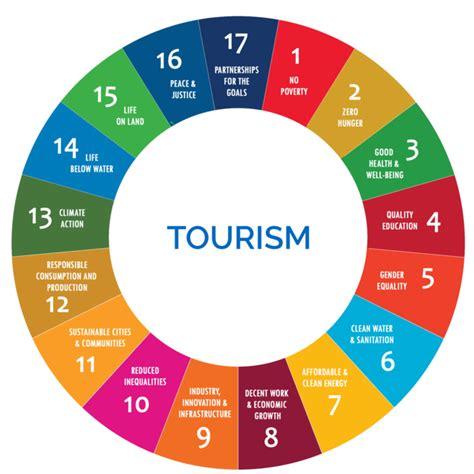
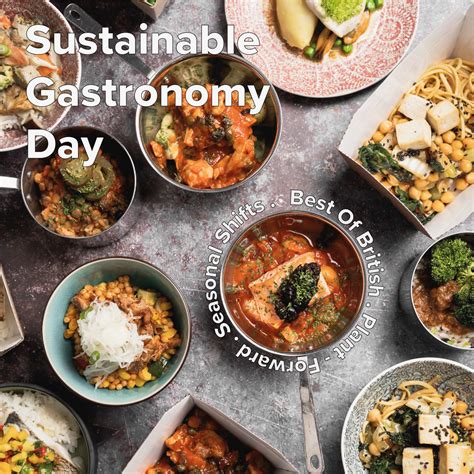
On the occasion of Sustainable Gastronomy Day, a significant collaboration has emerged between two influential organizations, setting the stage for a transformative approach to gastronomy tourism. This groundbreaking partnership, marked by the signing of a new Memorandum of Understanding (MoU), aims to redefine how food, culture, and tourism intersect, creating opportunities for economic growth while preserving culinary heritage and promoting sustainability.
Uniting Gastronomy and Tourism for Shared Growth
This innovative alliance is centered around developing a robust gastronomy tourism value chain that strengthens connections between local food producers, tourism operators, destinations, communities, and global travelers. By aligning their goals, both organizations are committed to enhancing the authenticity and impact of food-related tourism while fostering sustainable food systems. Central to this vision is the creation of tourism experiences that are not only memorable but deeply rooted in regional identity and environmental responsibility.
Through this MoU, stakeholders will work collectively to promote the consumption of local foods, champion traditional culinary practices, and generate new tourism offerings centered around local produce, seasonality, and sustainability. From guided farm visits and cooking workshops to food festivals and rural tasting trails, the partnership will support tourism experiences that add value to local economies and uphold the integrity of their food cultures.
UN Tourism Secretary-General Zurab Pololikashvili emphasizes, “UN Tourism recognizes the vital role responsible, inclusive tourism can play in supporting communities everywhere. The work of Slow Food is fully aligned with UN Tourism values, and we trust this partnership will play an important role in advancing the development of sustainable gastronomy tourism that leaves no one behind, for the benefit of communities and destinations.”
In alignment with this vision, Slow Food Director General Paolo Di Croce remarked, “Tourism can be a powerful force for strengthening sustainable local food systems. Our Slow Food Travel program is a sustainable culinary tourism initiative designed to create immersive travel experiences that support rural communities and celebrate local gastronomic heritage. In line with our values, it offers a unique opportunity to connect with farmers and producers around the world, while discovering and tasting the rich, often overlooked biodiversity of food.”
Key Areas of Collaboration
The scope of collaboration extends across various strategic and operational domains. A major focus will be placed on conducting joint research to map out global trends in gastronomy tourism. This includes understanding changing consumer behaviors, evolving culinary interests, and the economic impacts of food-related travel. These insights will serve as a foundation for designing innovative tourism models that cater to both the aspirations of tourists and the needs of local communities.
Documenting case studies and best practices from around the world will help destinations replicate successful strategies. Examples will highlight diverse approaches—from regenerative agriculture practices incorporated into agritourism to Michelin-star chefs who champion local supply chains and promote sustainability through high-end dining experiences.
Additionally, the partnership will prioritize capacity building through specialized training programs and skills development. These efforts will aim to professionalize the gastronomy tourism sector by empowering chefs, farmers, tour operators, and entrepreneurs with the knowledge and tools necessary to deliver high-quality, responsible tourism experiences. The goal is to ensure that the economic benefits of tourism flow equitably to all levels of the value chain, particularly rural and underrepresented groups.
Building a Global Network for Gastronomy Tourism
Beyond individual projects, the MoU lays the foundation for creating dedicated networks focused on gastronomy tourism. These platforms will bring together food producers, chefs, restaurateurs, farmers, tourism professionals, educators, and policymakers to exchange ideas and foster collaboration. By strengthening the relationship between culinary stakeholders and tourism players, the initiative hopes to drive innovation and build a more cohesive and resilient gastronomy tourism ecosystem.
These networks will also facilitate cross-border cooperation and encourage knowledge-sharing between regions with unique culinary traditions. For instance, countries with ancient agricultural heritage can share techniques in organic farming, while destinations known for fusion cuisine can demonstrate how culinary diversity can attract international visitors and strengthen cultural ties.
Empowering Local Communities Through Food
At the heart of this initiative is a commitment to promoting social inclusion and community empowerment through food. The partnership places special emphasis on supporting rural development, creating job opportunities for women and youth, and ensuring that local communities have a leading voice in shaping tourism strategies. By encouraging the preservation of culinary heritage and traditional food preparation methods, the partnership contributes to safeguarding intangible cultural heritage.
These efforts not only honor the wisdom of past generations but also position gastronomy as a driver of pride, identity, and community cohesion. Promoting healthy and locally sourced food further supports well-being and resilience, both for travelers and host communities.
A Blueprint for Sustainable Development
As the world increasingly turns toward sustainable travel options, gastronomy tourism stands out as a sector with immense potential to deliver both economic and environmental benefits. This partnership acknowledges the multifaceted value of food in tourism—not just as a product to be consumed but as a catalyst for storytelling, cultural preservation, and regenerative development.
The MoU represents a transformative blueprint for how destinations can rethink tourism beyond traditional sightseeing and commercial attractions. It demonstrates how food, when positioned thoughtfully, can become the cornerstone of a destination’s brand and a vehicle for sustainable development. Through strategic planning, stakeholder engagement, and local empowerment, gastronomy tourism can become a powerful tool for addressing global challenges such as climate change, inequality, and over-tourism.
Looking Ahead
The signing of this MoU on Sustainable Gastronomy Day is more than a ceremonial gesture—it is a call to action for tourism and food systems to converge in meaningful and impactful ways. As this partnership unfolds, its influence is expected to ripple across continents, inspiring regions to invest in their culinary assets, support their local producers, and deliver tourism experiences that nourish both the body and the planet. By blending innovation with tradition and sustainability with inclusivity, this collaboration offers a hopeful vision for the future of travel—one where every bite tells a story, and every journey contributes to the greater good.