Introduction to F-16 Nose Art
Nose art has long been a tradition in military aviation, dating back to World War I and II. While its prominence has diminished in modern fighter aircraft, the F-16 Fighting Falcon continues to feature customized nose art in select squadrons and special circumstances. Whether as a mark of unit identity, a nod to aviation history, or a morale booster for pilots and ground crews, F-16 nose art remains a fascinating aspect of military aircraft culture.
Historical Influence on F-16 Nose Art
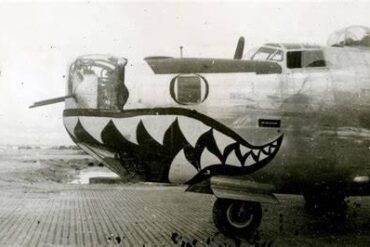
The tradition of aircraft nose art dates back to the early 20th century, with American, British, and German air forces leading the trend. During World War II, nose art was used as a morale booster and a way to personalize aircraft in a time of war. The most famous designs included pin-up girls, shark mouths, and ferocious animal motifs. These designs carried over to subsequent generations of military aircraft, including the F-16 Fighting Falcon.
Though not as prevalent as on WWII bombers or even Vietnam-era aircraft, some squadrons operating the F-16 have continued to embrace nose art, incorporating symbols of unit pride, national identity, and adversary training themes.
Notable Examples of F-16 Nose Art
Aggressor Squadron Nose Art
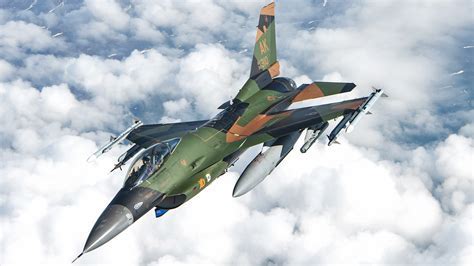
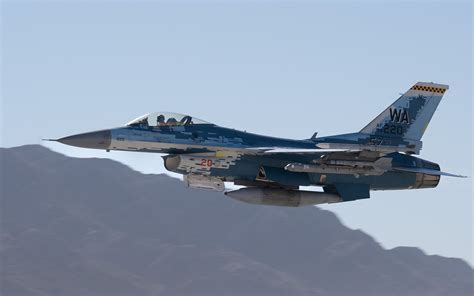
Some of the most striking F-16 nose art can be found on Aggressor Squadrons, which are responsible for simulating enemy tactics during training exercises. These squadrons paint their aircraft to resemble adversary forces, often including intimidating designs on the nose.
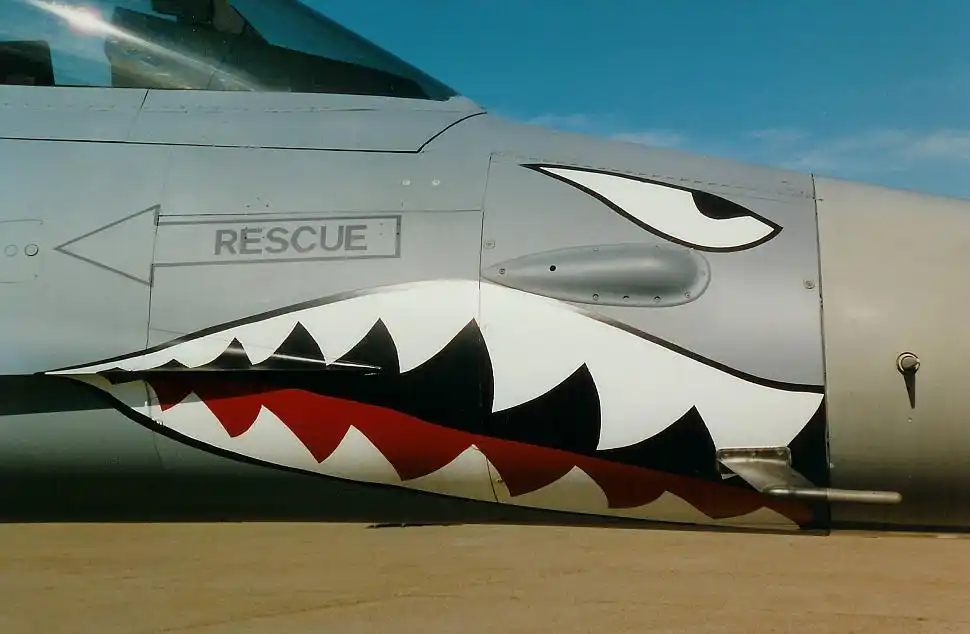
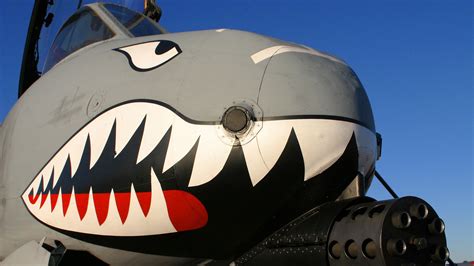
- 64th Aggressor Squadron (Nellis AFB, Nevada): This unit is known for its shark mouth designs, inspired by the legendary Flying Tigers of World War II. The sharp-toothed designs give the aircraft an aggressive and fearsome appearance.
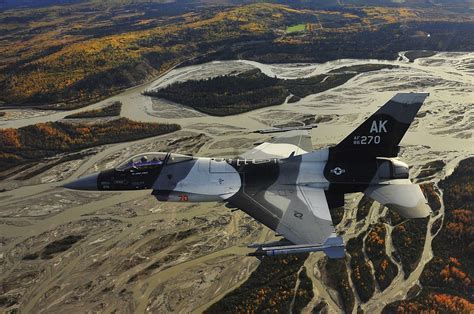
18th Aggressor Squadron (Alaska): This squadron features Arctic camouflage along with thematic nose art such as polar bears and winter warfare symbols, emphasizing their role in cold-weather combat training.
Commemorative and Mission-Specific Art
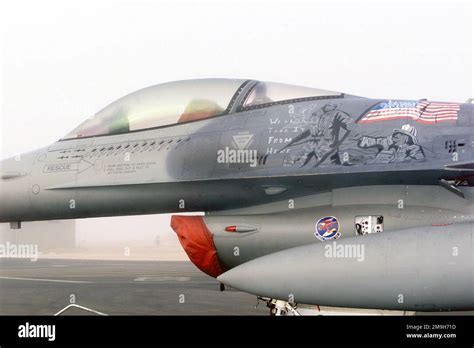
During deployments in conflict zones such as Operation Iraqi Freedom and Operation Inherent Resolve, F-16 units occasionally receive special nose art that reflects their mission or theater of operations.
- Some aircraft feature desert scorpions, eagles, or localized motifs that symbolize the terrain and challenges faced in Middle Eastern operations.
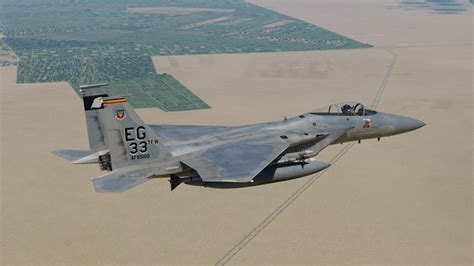
In certain cases, F-16s deployed to Afghanistan have been adorned with unit mottos or custom graphics representing squadron heritage.
Squadron Identity and Mascots
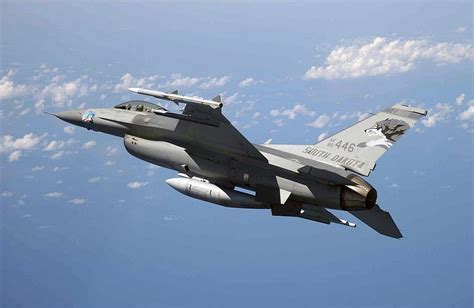
Many F-16 squadrons use nose art as an extension of their unit insignia and traditions.
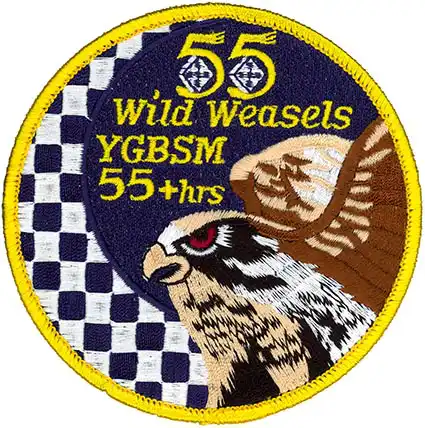
- 55th Fighter Squadron (“Shooters”): Often features an eagle emblem, symbolizing the unit’s aggressive air dominance capabilities. Their motto, “Cry Havoc!”, is sometimes incorporated into nose art.
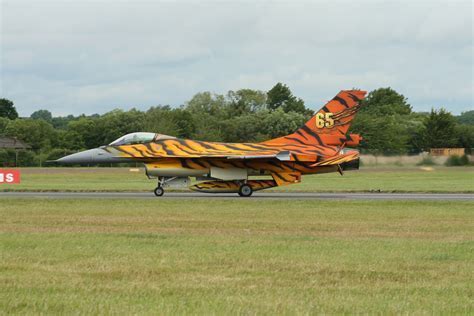
79th Fighter Squadron (“Tigers”): Includes tiger-stripe patterns and stylized big cat illustrations on the nose sections of some aircraft.
Nicknames and Personalization
Although modern regulations restrict elaborate customizations, some pilots and crew chiefs manage to include subtle personalizations on their aircraft.
- The nickname “Viper”, an unofficial moniker for the F-16, is sometimes found in small lettering near the cockpit.
Some aircraft feature cartoon characters, pilot call signs, or humorous symbols, though these are typically small and discreet.
Common Themes in F-16 Nose Art
The themes of F-16 nose art often reflect military history, unit pride, or aviation heritage. Some of the most recurring motifs include:
Shark Mouths & Animal Predators
- Sharp-toothed shark mouths inspired by the WWII Flying Tigers.
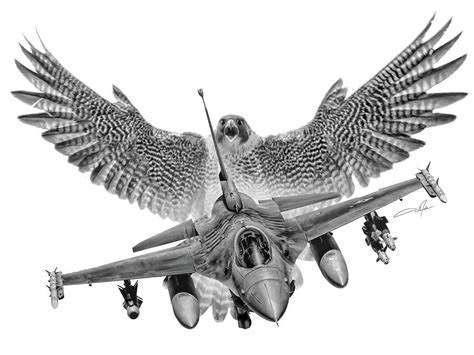
Wolves, tigers, and falcons, symbolizing speed and aggression.
National and Squadron Symbols
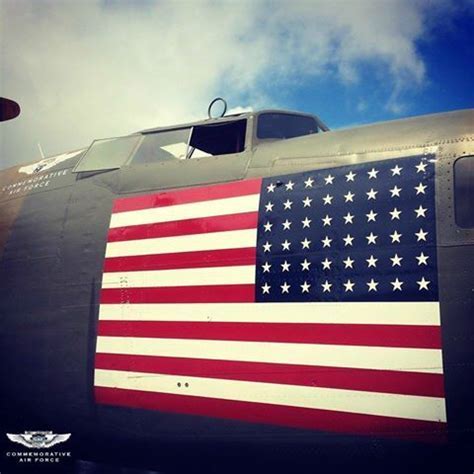
- Flags and national emblems, reinforcing patriotic pride.
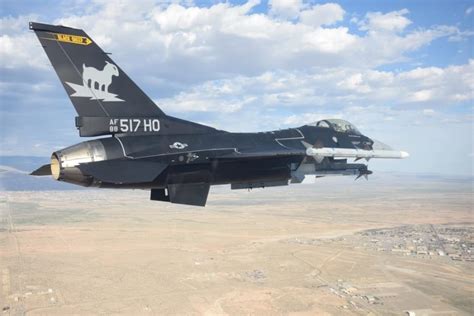
Unit insignias, often displayed prominently on the nose.
Pop Culture References
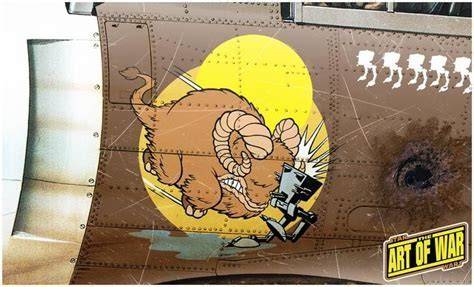
- Some aircraft have featured subtle tributes to pop culture, such as Star Wars-themed nose art or Marvel characters (though these are rare and usually unofficial).
International F-16 Nose Art Variations
While the United States Air Force (USAF) maintains strict guidelines, other air forces operating the F-16 sometimes have unique nose art traditions:
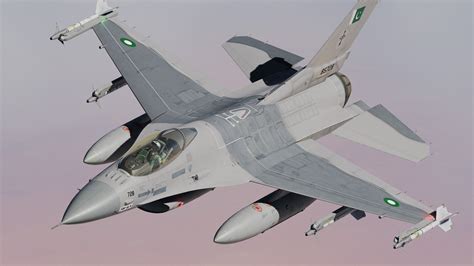
- Pakistan Air Force: The F-16AM #85728 of 11 Squadron (“Arrows”) was famously painted with a “Top Gun” theme, featuring customized insignia and high-detail metallic effects.
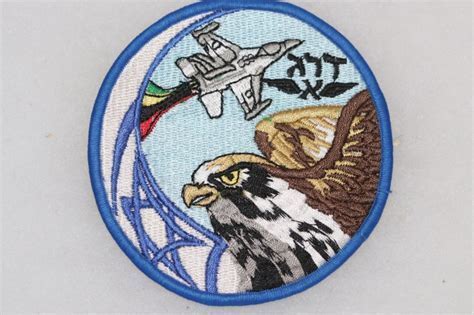
Israeli Air Force: Often uses abstract geometric nose art and squadron badges, such as 107 Squadron’s raptor-themed insignia.
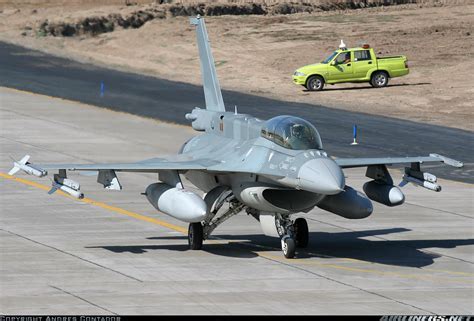
Chilean and Jordanian Air Forces: Incorporate national symbols like flag elements and raptor imagery into their aircraft designs.
Conclusion
Despite strict military regulations, F-16 nose art continues to be an important aspect of aviation culture. Whether as an homage to historical traditions, a means of unit identity, or a tool for adversary training, these artistic expressions remain a powerful symbol of pride and heritage within the fighter jet community. While not as flamboyant as past generations, the art on F-16s continues to capture the spirit of military aviation and the camaraderie of those who fly and maintain these remarkable aircraft.
Frequently Asked Questions (FAQ)
1. Why is nose art less common on modern F-16s?
Nose art has declined due to strict military regulations, the need for stealth coatings, and standardized camouflage patterns. However, exceptions exist, especially in aggressor squadrons and commemorative aircraft.
2. Which F-16 squadrons are known for their nose art?
Notable squadrons include the 64th Aggressor Squadron (shark mouths), 55th Fighter Squadron (eagle insignia), and the 79th Fighter Squadron (tiger-themed designs).
3. Can F-16 pilots customize their aircraft’s nose art?
Customization is generally restricted, but some pilots and crew chiefs add small personal touches, such as nicknames, mission markings, or cartoon characters within regulations.