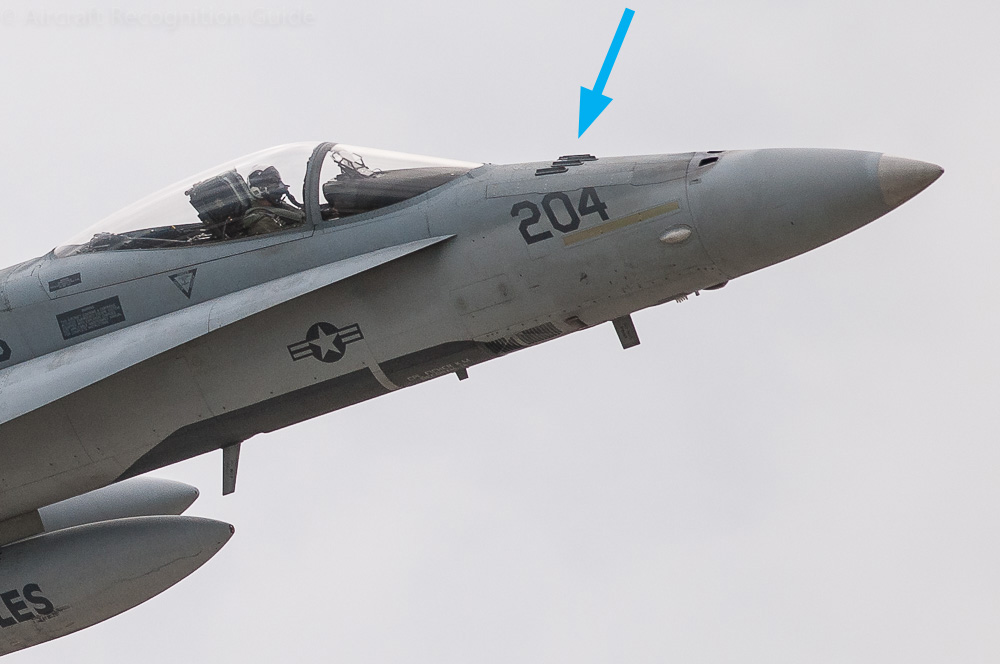
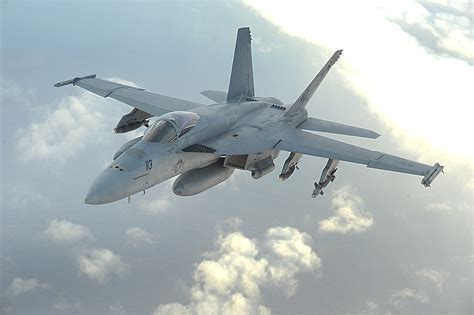
The McDonnell Douglas F/A-18 Hornet, a twin-engine multirole combat aircraft, features a distinctive aerodynamic design, with its elongated nose positioned significantly ahead of its wings and tail. This configuration is not arbitrary but rather a product of careful engineering, dictated by fundamental principles of aerodynamics, center of gravity (CG) balance, and combat effectiveness.
In this article, we will examine the reasons behind the Hornet’s extended nose design, its implications for flight stability, and how it affects the aircraft’s overall performance.
The Role of Center of Gravity (CG) in Aircraft Design
Every aircraft has an optimal center of gravity, which plays a crucial role in stability, control, and maneuverability. The CG is typically located near 30% of the average wing chord—a general rule that applies to most fighter jets, including the F-18 Hornet. However, designing a balanced aircraft is more complex than simply placing the wings at the right position.
Several key factors influence CG placement, including:
- Engine placement
- Fuel tank positioning
- Weapon load distribution
- Aerodynamic lift forces
The F-18’s engines—which are among the heaviest components of the aircraft—are located near the rear of the fuselage. To offset this significant weight, the nose section is elongated. This ensures that the CG remains within controllable limits, preventing the aircraft from becoming tail-heavy.
Why the Nose Must Be Extended Forward?
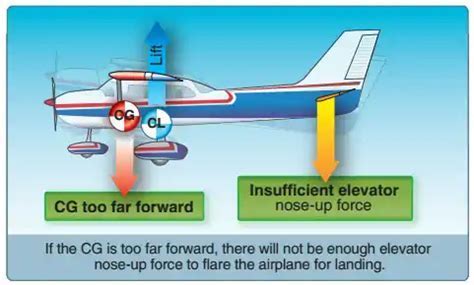
A longer nose shifts the CG forward, balancing the aircraft against the weight of the rear-mounted engines. Without this compensation, the aircraft would be aerodynamically unstable, causing:
- Difficult takeoffs – A tail-heavy jet could rotate too soon, making it hard to control the angle of attack (AoA).
- Poor stability in flight – A rearward CG would make the aircraft prone to pitching up uncontrollably.
- Risk of departure from controlled flight – If the CG is too far aft, the aircraft may enter dangerous aerodynamic conditions where the pilot cannot effectively control pitch.
Conversely, a slightly nose-heavy aircraft, like the F-18, tends to be more stable, offering better control during high-speed maneuvers and landing approaches.
Aerodynamic Considerations and Lift Balance
Apart from CG, another reason for the extended nose section is aerodynamic efficiency. The F-18’s wings are positioned farther back to optimize:
- Lift-to-drag ratio for high-speed efficiency.
- Supersonic stability, ensuring minimum wave drag at high velocities.
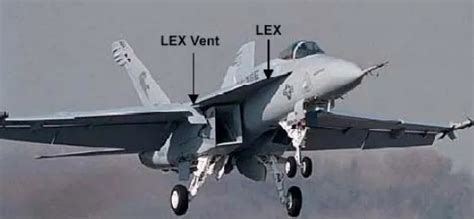
- Reduced interference with leading-edge extensions (LERX), which enhance lift during high AoA maneuvers.
The LERX, located near the wing roots, generate additional vortex lift, improving maneuverability in dogfights. If the nose were shortened, the LERX would be smaller, reducing their effectiveness.
Fuel Tank Placement and Stability Considerations
Another critical aspect of CG management is fuel distribution. The F-18’s internal fuel tanks are positioned both forward and aft within the fuselage, allowing fuel to burn evenly without shifting the CG excessively.
If fuel tanks were concentrated too far aft, the aircraft’s balance would shift during flight, potentially causing instability. The extended forward fuselage provides room for forward fuel tanks, which play a key role in maintaining a stable CG range throughout the mission.
Impact on Weapons Load and External Stores
Fighter jets are designed to carry various external stores, including:
- Missiles and bombs on wing pylons
- External fuel tanks
- Electronic warfare pods
Weapons are typically mounted along the wing chord line to minimize CG shifts when stores are released mid-flight. This strategic placement ensures that the aircraft’s stability is minimally affected when dropping bombs or firing missiles.
Furthermore, the F-18’s 20mm M61 Vulcan cannon is housed in the nose section, behind the radar. A longer nose allows proper weight distribution, ensuring the aircraft does not become nose-heavy when fully loaded.
Fighter Jet Stability: Relaxed Static Stability vs. Traditional Stability
Modern fighter aircraft, including the F-18, are designed with relaxed static stability (RSS). Unlike older aircraft that emphasized positive stability (which resists changes in pitch and yaw), RSS allows greater maneuverability, enabling:
- Quicker response times in dogfights
- More agile high-speed turns
- Enhanced combat effectiveness
While some fighter jets, like the F-16, are neutrally or negatively stable (requiring constant fly-by-wire adjustments), the F-18 maintains a balance between stability and agility, allowing manual control even in emergency flight conditions.
Supersonic Considerations and Mach Cone Effects
Another factor influencing fuselage design is supersonic performance. At high speeds, a shockwave cone (Mach cone) forms around the aircraft. To reduce drag and wave resistance, the nose and fuselage are shaped to allow smooth airflow transition over the airframe.
A longer nose helps in shaping the area distribution, ensuring the aircraft remains aerodynamically efficient at supersonic speeds.
Conclusion
The F/A-18 Hornet’s elongated nose is a direct result of carefully calculated aerodynamics, CG considerations, and performance optimization. This design ensures:
- Proper weight balance to offset the rear-mounted engines.
- Stable flight characteristics, preventing excessive pitch-up tendencies.
- Enhanced lift distribution, maintaining control during dogfights.
- Efficient fuel usage, preventing CG shifts during flight.
- Superior aerodynamic performance at both subsonic and supersonic speeds.
Without this precisely engineered design, the F-18 would be far less effective as a carrier-capable multirole fighter.
FAQ
1. Could the F-18’s nose be shortened without affecting performance?
No, shortening the nose would require additional weight to balance the CG, which would reduce fuel efficiency and increase structural complexity. Additionally, it would impact the aerodynamics and LERX efficiency, reducing the aircraft’s agility.
2. How does the F-18 compare to other fighters in terms of CG and stability?
Unlike the F-16, which has a more rearward CG for extreme maneuverability, the F-18 is designed for a balance between stability and agility. Its forward fuselage design ensures better control during carrier landings and low-speed operations.
3. Does the F-18’s nose length affect dogfight performance?
Yes, but in a positive way. The longer nose enables better aerodynamic control, allowing the aircraft to maintain stability even at high AoA maneuvers. It also houses advanced radar systems, giving pilots a superior tracking advantage in air-to-air engagements.
By understanding the engineering behind the F/A-18 Hornet, we gain insight into the intricate balance of aerodynamics, stability, and combat effectiveness—a testament to why the aircraft remains a dominant force in modern aerial warfare.