Aircraft control is one of the most critical aspects of aviation, especially when it comes to maintaining a steady and safe flight path. Among the various adjustments that pilots make, nose-up trim and nose-down trim are essential for achieving the desired pitch attitude without needing constant manual input. These adjustments are made using trim controls in the cockpit, which affect the aircraft’s elevator or elevator trim tab. In this article, we will explore the significance of these trims, how they are applied, and why they are crucial for efficient and comfortable flight operations.
The Basics of Trim Control
Trim controls are used by pilots to adjust the pitch attitude of an aircraft, essentially influencing the aircraft’s nose position. The purpose is to relieve the pilot from needing to hold continuous pressure on the control yoke or stick. These adjustments help maintain the aircraft’s attitude with minimal physical effort, allowing the pilot to focus on other aspects of flight control and navigation.
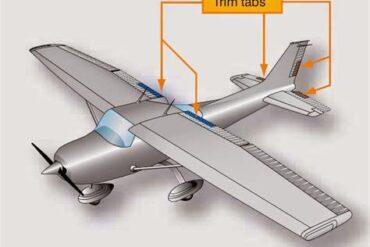
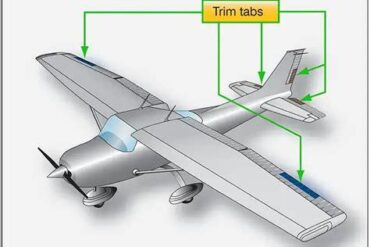
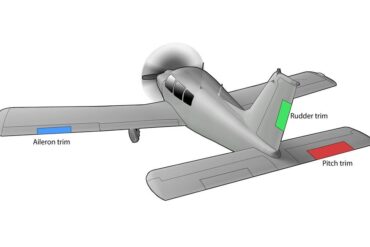
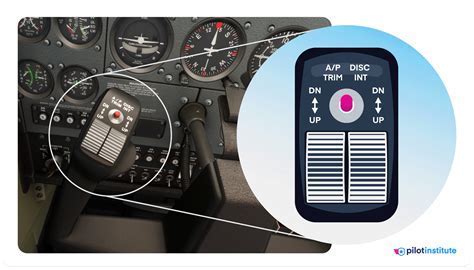
Trim adjustments are typically made via the trim wheels or trim tabs in the cockpit, which control the position of the elevator or the trim tab. Depending on the situation, a pilot may need to adjust the trim to either raise or lower the nose of the aircraft to achieve a level flight attitude.
What is Nose-Up Trim?
Nose-up trim refers to an adjustment made to raise the aircraft’s nose or increase its pitch attitude. This trim is particularly useful when the aircraft is descending or has a nose-low attitude, which may occur during cruise flight or when the aircraft is losing altitude.
Purpose of Nose-Up Trim
The primary goal of nose-up trim is to reduce the amount of back pressure that a pilot must apply to the control yoke or stick to maintain a level or climb attitude. By adjusting the trim in such a way, the aircraft will naturally return to the desired climb or level flight attitude without constant manual control input.
For example, if a pilot is cruising and notices that the aircraft is slowly descending due to a nose-low attitude, applying nose-up trim will raise the nose to prevent further descent. This eliminates the need for the pilot to continuously pull back on the yoke to maintain a level flight path.
How is Nose-Up Trim Applied?
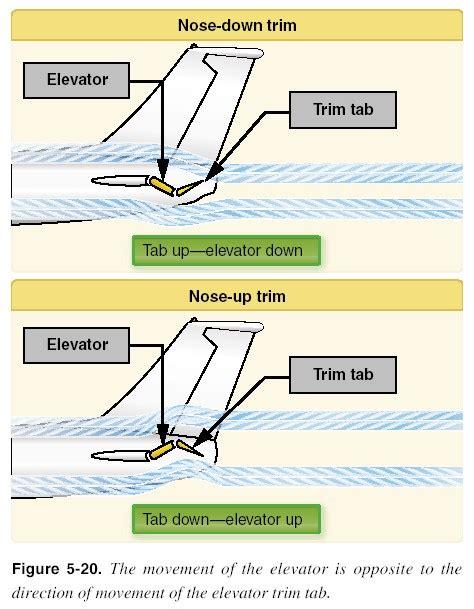
To apply nose-up trim, the pilot will use the trim wheel or trim tab to adjust the angle of the elevator or the elevator trim tab. By turning the trim wheel in the nose-up direction, the pilot effectively raises the aircraft’s tail and lowers the nose, bringing the pitch attitude to a more level or climbing position.
In practical terms, this adjustment is commonly made during cruise flight or when the aircraft starts to descend unintentionally. It provides a more comfortable and stable flying experience by reducing the effort needed to hold the aircraft in a desired flight attitude.
What is Nose-Down Trim?
On the flip side, nose-down trim is an adjustment made to lower the aircraft’s nose or decrease its pitch attitude. This is often necessary when the aircraft is climbing too steeply or when the nose is too high, which can happen during a climb phase of flight.
Purpose of Nose-Down Trim
The purpose of nose-down trim is to reduce the amount of forward pressure the pilot needs to apply to the control yoke or stick. When the aircraft’s nose is too high or climbing too steeply, the pilot will apply nose-down trim to lower the nose and bring the aircraft back to the desired flight path, whether for level flight or a descent.
For example, if the aircraft begins to climb too rapidly during takeoff or after a turn, the pilot may need to apply nose-down trim to ease the control pressure and prevent the aircraft from climbing excessively. This helps to stabilize the climb rate, allowing the aircraft to maintain a comfortable ascent.
How is Nose-Down Trim Applied?
To apply nose-down trim, the pilot will use the trim wheel or trim tab and rotate it in the opposite direction, which lowers the aircraft’s tail and raises the nose. This adjustment reduces the need for the pilot to apply forward pressure to the yoke, making it easier to maintain a steady climb or transition to level flight.
In some cases, this trim is also used to control the aircraft’s attitude during descent, preventing the nose from rising too high, which could lead to a loss of airspeed or a stall.
The Role of Trim in Flight Safety
Trim adjustments are vital for flight safety, as they allow pilots to maintain the desired pitch attitude with ease and precision. Proper trim reduces the pilot’s workload and ensures smoother, more comfortable flights. By adjusting the trim to the appropriate settings, the aircraft can maintain level flight without the need for constant manual control.
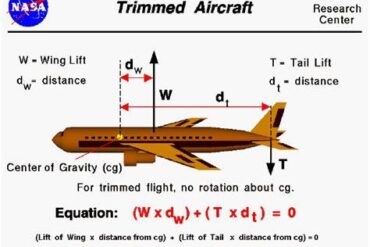
In the case of nose-up trim and nose-down trim, these adjustments help maintain an ideal balance between the forces acting on the aircraft during various phases of flight. Whether cruising, climbing, or descending, these trims play a crucial role in stabilizing the aircraft and making sure that it stays in the optimal attitude for its current situation.
Trim adjustments are particularly beneficial in long-haul flights, where pilots may need to fly for extended periods without constantly adjusting the control yoke. These small adjustments can drastically improve pilot comfort and flight efficiency, ensuring that the aircraft remains in the most suitable attitude for its phase of flight.
How Trim Impacts Aircraft Efficiency
Proper use of nose-up and nose-down trim can significantly impact an aircraft’s fuel efficiency and overall performance. When the aircraft is properly trimmed, the flight is more stable, which reduces drag and minimizes unnecessary adjustments by the pilot.
In a climb phase, the aircraft’s engine needs to generate enough thrust to overcome gravity, so minimizing drag and optimizing the angle of attack is crucial. If the aircraft is trimmed correctly, it will climb at the most efficient angle, conserving fuel and reducing engine strain.
Similarly, during cruise, a properly trimmed aircraft will maintain a level attitude with minimal input, preventing the engines from having to work harder than necessary to maintain altitude. This results in smoother flights and better fuel efficiency, which is a key consideration for both cost-effectiveness and environmental sustainability.
Conclusion
In summary, nose-up trim and nose-down trim are fundamental adjustments that pilots make to ensure smooth, efficient, and safe flight. By adjusting the trim controls in the cockpit, pilots can raise or lower the aircraft’s nose to maintain the desired pitch attitude, reducing the need for constant manual control input. These trims are crucial for achieving and maintaining level flight during cruise, climb, and descent phases, ultimately improving flight safety, efficiency, and comfort.
Whether you’re flying a small general aviation aircraft or a large commercial airliner, understanding and applying nose-up trim and nose-down trim is essential for optimal flight performance. By mastering these adjustments, pilots can ensure a more stable, fuel-efficient, and comfortable journey for both themselves and their passengers.