Aviation communication is one of the most vital skills for any pilot, ensuring safe and efficient flights. One of the foundational aspects of effective communication in aviation is understanding aviation radio frequencies. These frequencies are used for both communication and navigation purposes, each serving a specific role in ensuring that aircraft can communicate with ground control, air traffic control (ATC), and other aircraft during their flights. This comprehensive guide explores the different types of aviation radio frequencies, their uses, and why knowing them is crucial for every pilot.
The Basics of Aviation Radio Frequencies
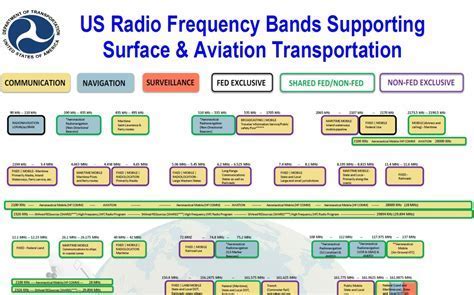
Aviation radio frequencies operate within four primary bands: Low Frequency (LF), Medium Frequency (MF), High Frequency (HF), and Very High Frequency (VHF). Each band has its specific use, either for communications or for navigation purposes, and understanding these distinctions is essential for smooth flight operations.
Low Frequency (LF)
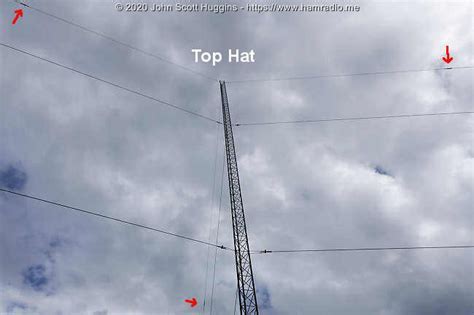
In the early days of aviation, Low Frequency (LF) bands, ranging from 200 KHz to 415 KHz, were primarily used for air navigation. However, as technology advanced, higher frequency systems replaced LF for most navigation purposes. Today, LF signals are still in use for certain critical applications such as instrument landings and backup navigation systems. The long wavelengths of LF signals allow them to travel long distances, which is why they can even bounce off the ionosphere, making them highly reliable when other communication systems fail. While LF frequencies are less commonly used today, they still play an important role in aviation, especially when all other systems are unavailable.
Medium Frequency (MF)
The Medium Frequency (MF) range, from 2850 KHz to 3000 KHz, serves a specialized function in aviation. Aircraft are equipped with radio direction finders, which help pilots locate MF signals to determine their position and direction. This frequency band is not widely used for direct communications but remains important for navigational purposes, helping pilots stay on course during flights, particularly in areas where higher frequency systems may not be as effective.
High Frequency (HF)
High Frequency (HF) bands were once the primary channels for domestic voice communications, but with advancements in technology, the industry shifted many of these communications to the Very High Frequency (VHF) range. Despite this, HF frequencies are still used extensively for international communications, especially on long-haul flights over remote areas such as oceans or polar regions. This is because HF signals have the ability to travel great distances, which is particularly useful for aircraft flying across vast areas with limited ground-based infrastructure.
Very High Frequency (VHF)
The Very High Frequency (VHF) band, ranging from 118.000 MHz to 136.975 MHz, is the most commonly used frequency range for domestic aircraft communications. This range includes both communication and navigation frequencies, making it central to modern aviation operations. Pilots use VHF frequencies to communicate with air traffic control, ground services, and other aircraft in the area. The frequencies are regulated by the Federal Communications Commission (FCC) to ensure safe and effective use.
VHF frequencies have a 25 KHz spacing between them, except for specific uses like flight test stations and the emergency frequency of 121.5 MHz, which has 100 KHz of protection around it. Pilots should be familiar with the key frequencies within this range, as they will most often be using them during their flights.
VHF Frequency Allocation for Aviation
The VHF aviation band is allocated as follows:
- 108.000 – 112.000 MHz: Aviation Terminal VOR and ILS Navigation
- 112.000 – 117.950 MHz: Aviation VOR Navigation
- 118.000 – 136.975 MHz: Aviation Communication
The frequencies within the 118.000 – 136.975 MHz range are used primarily for air-to-ground communication, ATC communication, and emergency broadcasts. These are the frequencies pilots will be most familiar with, and it’s crucial for them to understand their purpose and how to use them properly. For instance, 121.500 MHz is a dedicated aviation distress frequency, used in emergencies to signal distress or request assistance from nearby aircraft or air traffic control.
Communication vs Navigation: Understanding the Difference
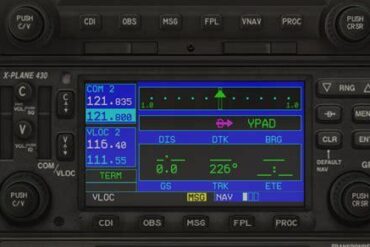
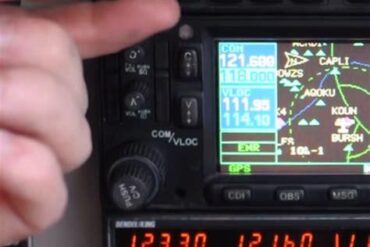
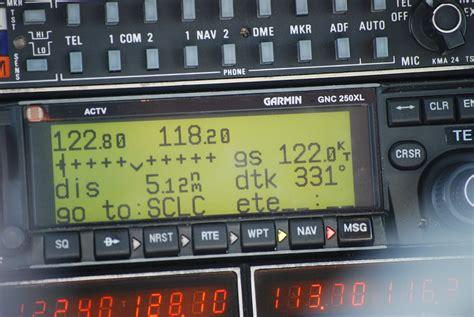
Aviation radios are used not only for communication (COM) but also for navigation (NAV). Some radios are designed for communication purposes only, while others are dedicated to navigation, and some are configured for both. The ability to distinguish between communication and navigation signals is essential to avoid interference and ensure that pilots are on the correct frequencies for their needs.
Many VHF Omnirange (VOR) navigation stations also broadcast voice communications alongside their navigation functions. These dual-purpose systems enable pilots to communicate with ATC while also receiving critical navigation signals. This overlap is particularly useful during periods of poor visibility or when flying in areas where navigation beacons are sparse.
Commonly Used Aviation Communication Frequencies
Here are some of the most frequently used aviation communication frequencies that pilots should be aware of:
- 121.500 MHz: Emergency frequency (Distress)
- 118.000 – 121.950 MHz: Air Traffic Control (ATC) Frequencies (Towers and ARTCCs)
- 121.3 MHz: Ground Communication
- 121.7 MHz: Ground Communication
- 122.725 MHz: Unicom (CTAF) Frequencies
- 122.75 MHz: Air-to-Air Communication (General Aviation)
Pilots must also be familiar with CTAF (Common Traffic Advisory Frequency) and Unicom frequencies, which are especially important when flying into airports without a control tower. These frequencies help pilots communicate with other aircraft and notify ground services of their arrival or departure.
Important Notes for Pilots: Legal and Safe Use of Frequencies
Knowing which frequencies to use is not just about communication efficiency—it also involves legal considerations. For example, 123.45 MHz is commonly used for air-to-air communication among pilots, but it is designated for flight test stations and should not be used for casual communication in U.S. airspace. Unauthorized use of these frequencies can result in severe penalties, including hefty fines of up to $10,000 per illegal transmission.
Instead, pilots should use 122.75 MHz for general air-to-air communications, particularly when flying over land or within busy airspace. This frequency is recognized as the standard for such exchanges and ensures that pilots avoid potential legal issues while maintaining proper communication etiquette.
Conclusion
Understanding aviation radio frequencies is an essential skill for every pilot. From communicating with air traffic control to coordinating with other aircraft, the frequencies used in aviation play a pivotal role in maintaining safe and efficient flight operations. Pilots must familiarize themselves with the various frequency bands—LF, MF, HF, and VHF—and understand their purpose in both communication and navigation. By knowing these frequencies, understanding the distinction between communication and navigation signals, and adhering to the legal requirements for frequency use, pilots can ensure that their flights are safe, effective, and compliant with aviation regulations.
A well-prepared pilot is one who knows the ins and outs of aviation radio frequencies and utilizes them to their fullest potential.