International distress and emergency frequencies play a crucial role in ensuring safety at sea and in the air. Here are some key frequencies you should know:
-
2182 kHz: This is the international maritime distress and calling frequency used for radio telephony.
-
4340 kHz: This frequency is designated for NATO combined submarine distress communications.
-
8364 kHz: Used for survival craft communications during emergencies.
-
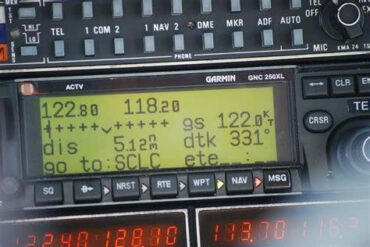
121.5 MHz: The international aeronautical emergency frequency, important for aircraft distress calls.
-
156.8 MHz: This frequency serves as the international maritime distress, calling, and safety channel.
-
243.0 MHz: Another NATO frequency for combined distress and emergency situations.
-
406.0 MHz: This is the frequency for emergency position indicating locator beacons (EPIRB).
It’s worth noting that the 500 kHz frequency, once a standard for maritime distress and calling, was phased out with the introduction of the Global Maritime Distress and Safety System (GMDSS) in 1999. Although monitoring of 500 kHz continues, it is no longer the primary distress frequency used at sea since 2010.
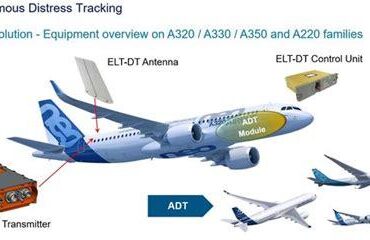
As of February 1, 2009, satellite monitoring of emergency locator transmitter (ELT) signals on the 121.5 MHz and 243 MHz frequencies has ceased. Now, monitoring is limited to the 406.0 MHz band, specifically from 406.0 MHz to 406.1 MHz, which is simply referred to as 406 MHz.